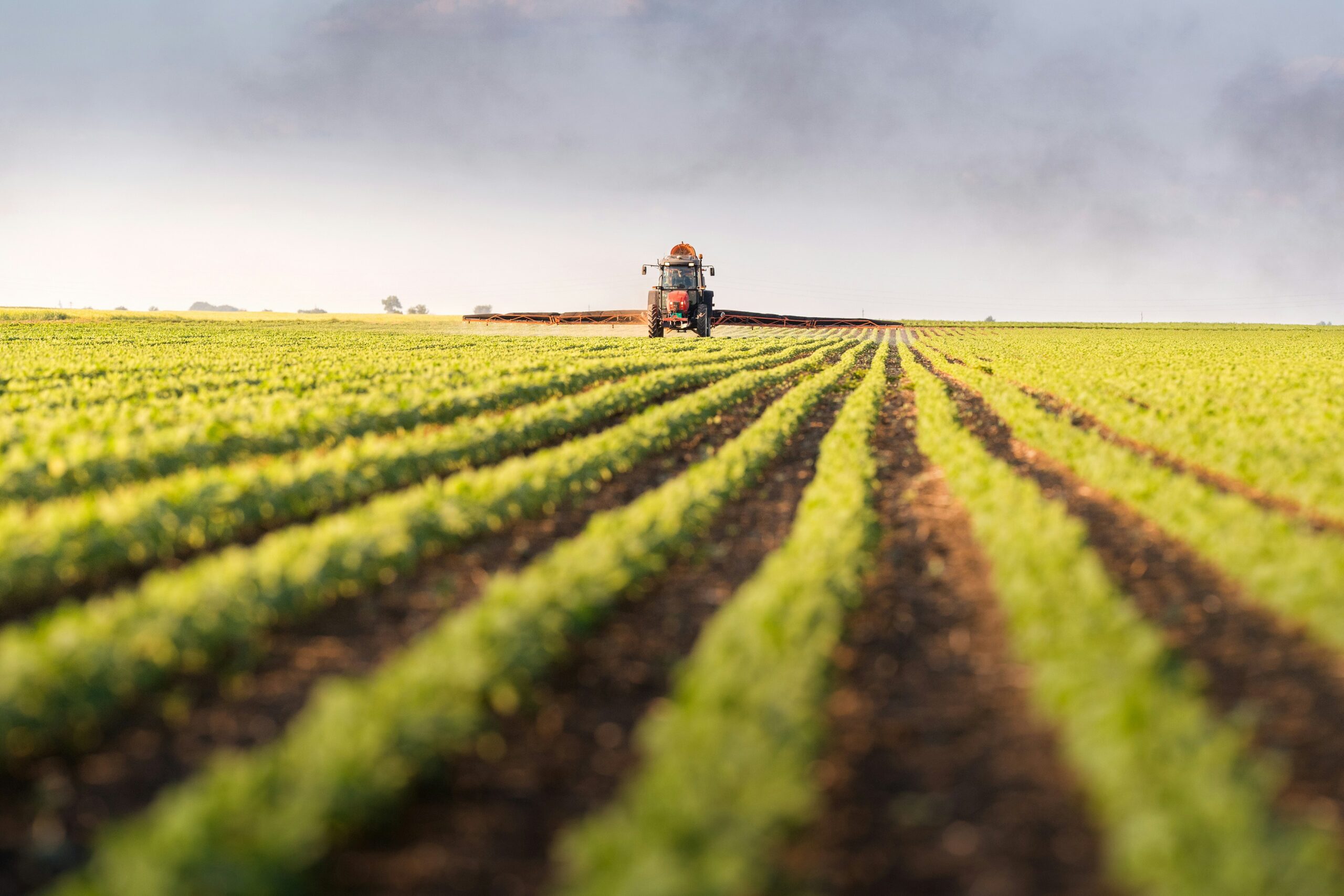
Sustainable farming is no longer just a forward-thinking approach; it has become an urgent necessity in response to climate change. Farmers worldwide are experiencing rising temperatures, erratic rainfall, prolonged droughts, and more frequent extreme weather events. These disruptions not only threaten crop productivity but also place immense pressure on water resources, soil quality, and biodiversity.
In this context, sustainable agriculture offers a resilient and adaptive pathway. By combining traditional knowledge with modern innovations, farmers can create systems that are both productive and environmentally responsible. This approach ensures that agricultural practices support long-term food security while preserving natural resources for future generations.
Climate-Resilient Crop Selection
Selecting climate-resilient crops is one of the most effective ways to adapt to changing environmental conditions. Drought-tolerant and heat-resistant varieties, such as millet, sorghum, and certain legumes, are better equipped to survive extreme weather. These crops require less water and can maintain yields even under stressful conditions, making them ideal for regions facing water scarcity and rising temperatures.
In addition to resilience, diversification plays a critical role in risk management. By growing a variety of crops, farmers reduce the likelihood of total crop failure. Local adaptation is equally important crops that are naturally suited to a region’s climate often perform better with fewer external inputs. This not only lowers costs but also enhances sustainability by reducing reliance on chemical fertilizers and excessive irrigation.
Soil Health and Regenerative Practices
Soil health is the backbone of sustainable farming, as it directly influences crop growth, water retention, and nutrient availability. Practices like cover cropping and composting help improve soil structure and increase organic matter, making the soil more fertile and resilient. Reduced tillage methods further protect soil integrity by minimizing disruption and preserving beneficial microorganisms.
Regenerative practices aim to restore and enhance soil ecosystems over time. Crop rotation helps balance soil nutrients while naturally controlling pests and diseases. Additionally, integrating livestock into farming systems can enhance natural fertilization and improve soil biology. These methods collectively create a self-sustaining system that supports long-term productivity and environmental health.
Efficient Water Management Techniques
Water scarcity is becoming a major concern in agriculture, making efficient water management essential. Drip irrigation systems are highly effective, delivering water directly to plant roots while minimizing evaporation and runoff. This targeted approach not only conserves water but also improves crop yields by ensuring plants receive the right amount of moisture.
Rainwater harvesting is another valuable technique that supports water sustainability. By collecting and storing rainwater, farmers can reduce their dependence on groundwater and maintain a reliable water supply during dry periods. Combining these methods allows farmers to use water more efficiently while building resilience against unpredictable rainfall patterns.
Integrated Pest Management Solutions
Effective pest control is crucial for maintaining crop health, but overreliance on chemical pesticides can harm ecosystems and human health. Integrated Pest Management (IPM) offers a more sustainable approach by combining biological, cultural, and mechanical methods. This includes using natural predators, crop rotation, and pest-resistant crop varieties to control pest populations.
Monitoring and early detection are key components of IPM. Farmers regularly assess pest levels and take action only when necessary, reducing unnecessary chemical use. This approach not only protects beneficial insects, such as pollinators, but also promotes a balanced, healthy farming environment, ultimately leading to more sustainable crop production.
Technology and Smart Farming Tools
Modern technology is transforming agriculture by enabling more precise and efficient farming practices. Tools such as soil sensors, drones, and satellite imagery provide real-time data on crop health, soil conditions, and weather patterns. This allows farmers to make informed decisions quickly, improving productivity while minimizing resource waste.
Precision agriculture takes this a step further by applying inputs like water, fertilizers, and pesticides only where needed. This targeted approach reduces costs and environmental impact while maximizing efficiency. As technology continues to evolve, it plays an increasingly important role in helping farmers adapt to climate challenges and improve sustainability.
Agroforestry and Biodiversity Enhancement
Agroforestry is a sustainable farming practice that integrates trees with crops or livestock, creating a more balanced and resilient ecosystem. Trees provide shade, reduce soil erosion, and improve water retention, making farmland more adaptable to climate extremes. They also contribute to improved air quality and carbon storage.
Biodiversity further strengthens farming systems by promoting ecological balance. A diverse range of plants and animals helps control pests naturally and enhances soil fertility. Farms that support biodiversity are often more resilient to environmental stress, leading to stable yields and long-term sustainability.
Reducing Carbon Footprint in Farming
Agriculture contributes significantly to greenhouse gas emissions, but sustainable practices can help reduce this impact. Farmers can adopt renewable energy sources such as solar or wind power to run irrigation systems and machinery. Using energy-efficient equipment and reducing fuel consumption also play a key role in lowering emissions.
Additionally, sustainable farming promotes carbon sequestration through healthy soils and plant systems. Practices like cover cropping and agroforestry capture and store carbon in the soil, helping mitigate climate change. These efforts make agriculture not only more sustainable but also part of the solution to global warming.
Community Engagement and Knowledge Sharing
Collaboration among farmers is essential for advancing sustainable agriculture. By sharing knowledge, experiences, and best practices, farmers can learn from one another and adapt more effectively to climate challenges. Community networks and cooperatives provide support systems that enhance resilience across the agricultural sector.
Education and continuous learning are equally important. Training programs, workshops, and access to modern research enable farmers to stay informed about new techniques and innovations. This ongoing exchange of knowledge empowers farmers to make better decisions, improve productivity, and ensure long-term sustainability.