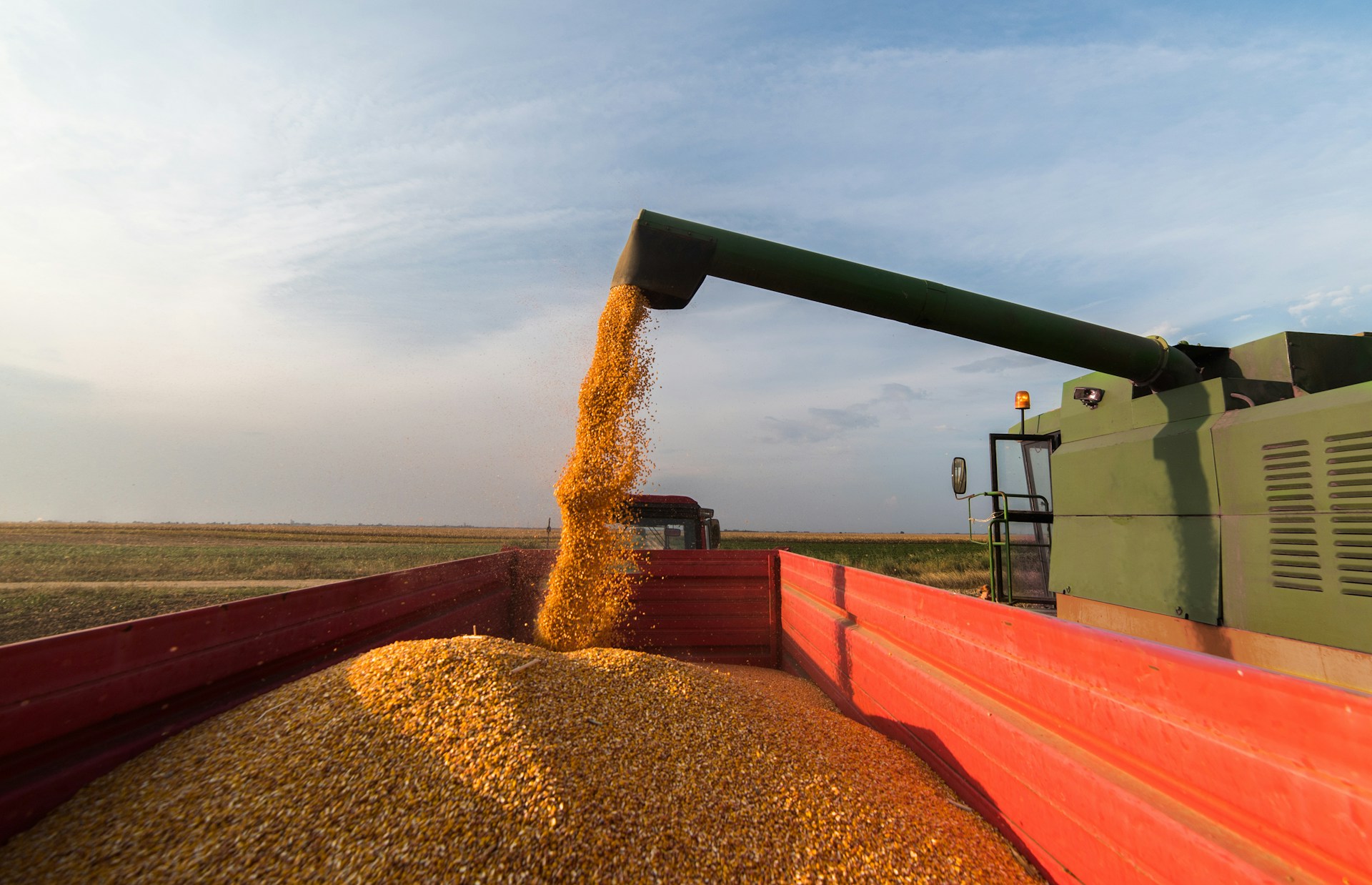
Harvesting crops is only the beginning of a long journey toward food security and profitability. Once grains leave the field, they face many risks that can reduce quality and value. Poor storage conditions, pests, moisture, and temperature changes can quickly damage large quantities of grain. Therefore, protecting harvested grain is just as important as growing it. Today, farmers and agribusinesses rely on modern grain storage solutions to preserve quality and reduce waste, ensuring that every harvest reaches its full potential.
Why Grain Storage Matters More Than Ever
Grain storage plays a critical role in maintaining food supply chains. Without proper storage, a significant portion of harvested crops can spoil before reaching the market. This not only causes financial losses for farmers but also affects food availability for communities. As global food demand continues to rise, efficient storage systems have become essential.
Moreover, climate change has increased the unpredictability of weather conditions. Sudden humidity, heat, or rainfall can damage stored grain if proper systems are not in place. Because of this, farmers must adopt advanced storage techniques that protect grain from environmental stress. By doing so, they can maintain quality and ensure long-term sustainability.
Common Threats to Stored Grain
Several factors can harm stored grain if not managed properly. First, moisture is a major threat. When grain contains excess moisture, it creates the perfect environment for mold growth. This can lead to spoilage and even health risks if the grain is consumed.
Second, pests such as insects and rodents can destroy large quantities of grain. These pests not only eat the grain but also contaminate it. As a result, the quality drops significantly. In addition, temperature fluctuations can cause condensation inside storage units. This further increases the risk of spoilage.
Because of these challenges, farmers must take proactive steps to protect their harvest. Understanding these threats is the first step toward effective grain preservation.
The Role of Proper Drying in Grain Preservation
Drying is a crucial step before storing grain. If grain is stored with high moisture content, it can spoil quickly. Therefore, farmers must ensure that grain is properly dried before storing it.
Modern drying equipment allows farmers to control temperature and airflow during the drying process. This ensures that grain reaches the ideal moisture level without being damaged. Additionally, proper drying extends the grain’s shelf life, making it easier to store for extended periods.
Furthermore, consistent drying practices help maintain grain quality. This is important for market value, as buyers prefer grain that meets quality standards. By focusing on proper drying, farmers can protect both their harvest and their income.
Best Practices for Long-Term Grain Storage
Effective grain storage requires a combination of technology and good management practices. First, storage units should be cleaned thoroughly before use. This removes any leftover pests or contaminants that could affect new grain.
Second, regular inspections are essential. Farmers should check for signs of moisture, pests, or damage. Early detection allows them to take quick action and prevent further loss. In addition, maintaining proper ventilation helps control temperature and humidity levels.
Another key practice is using sealed containers or silos. These structures protect grain from external conditions and reduce the risk of contamination. By following these best practices, farmers can store grain safely and efficiently for long periods.
Advanced Storage Technologies for Better Protection
Modern technology has transformed how grain is stored and preserved. Today, farmers can use airtight storage systems that prevent moisture and pests from entering. These systems create a controlled environment that keeps grain safe for longer periods.
In addition, temperature-monitoring tools help farmers track conditions within storage units. When temperatures rise, they can take action before damage occurs. This reduces the risk of spoilage and improves overall grain quality.
Another important innovation is automated aeration systems. These systems regulate airflow within storage structures, preventing moisture buildup. As a result, grain remains dry and safe. Amid these advancements, grain preservation techniques continue to evolve, offering farmers better ways to protect their harvests and reduce losses.
Reducing Post-Harvest Loss Through Innovation
Post-harvest loss is a major challenge in agriculture. However, innovation is helping reduce these losses significantly. Advanced storage systems, monitoring tools, and improved handling techniques all contribute to better grain preservation.
Moreover, digital technology is playing an increasingly important role. Farmers can now use sensors and mobile apps to monitor storage conditions in real time. This allows them to respond quickly to any changes. As a result, they can prevent damage before it becomes serious.
In addition, education and training programs are helping farmers adopt new methods. By learning about modern storage solutions, they can improve their practices and reduce waste. This not only benefits individual farmers but also strengthens the entire agricultural system.
Sustainability and the Future of Grain Storage
Sustainability is becoming a key focus in agriculture. Efficient grain storage reduces waste, conserves resources, and supports food security. Therefore, investing in advanced storage solutions is not just a smart choice; it is a necessary one.
Furthermore, sustainable storage practices help reduce environmental impact. By minimizing spoilage, farmers can make better use of their resources. This leads to more efficient food production and distribution.
Looking ahead, new technologies will continue to improve grain storage. From smart sensors to eco-friendly storage materials, the future holds many possibilities. These innovations will help farmers protect their harvest while supporting a sustainable food system.
Securing Harvest Quality for Future Generations
Protecting grain after harvest is essential for both economic success and food security. By using advanced technologies, proper drying methods, and effective management practices, farmers can preserve the quality of their crops. Over time, these efforts lead to stronger agricultural systems and more reliable food supplies. As the industry continues to grow, post-harvest loss prevention will remain a key priority in ensuring that every harvest is protected and valued.