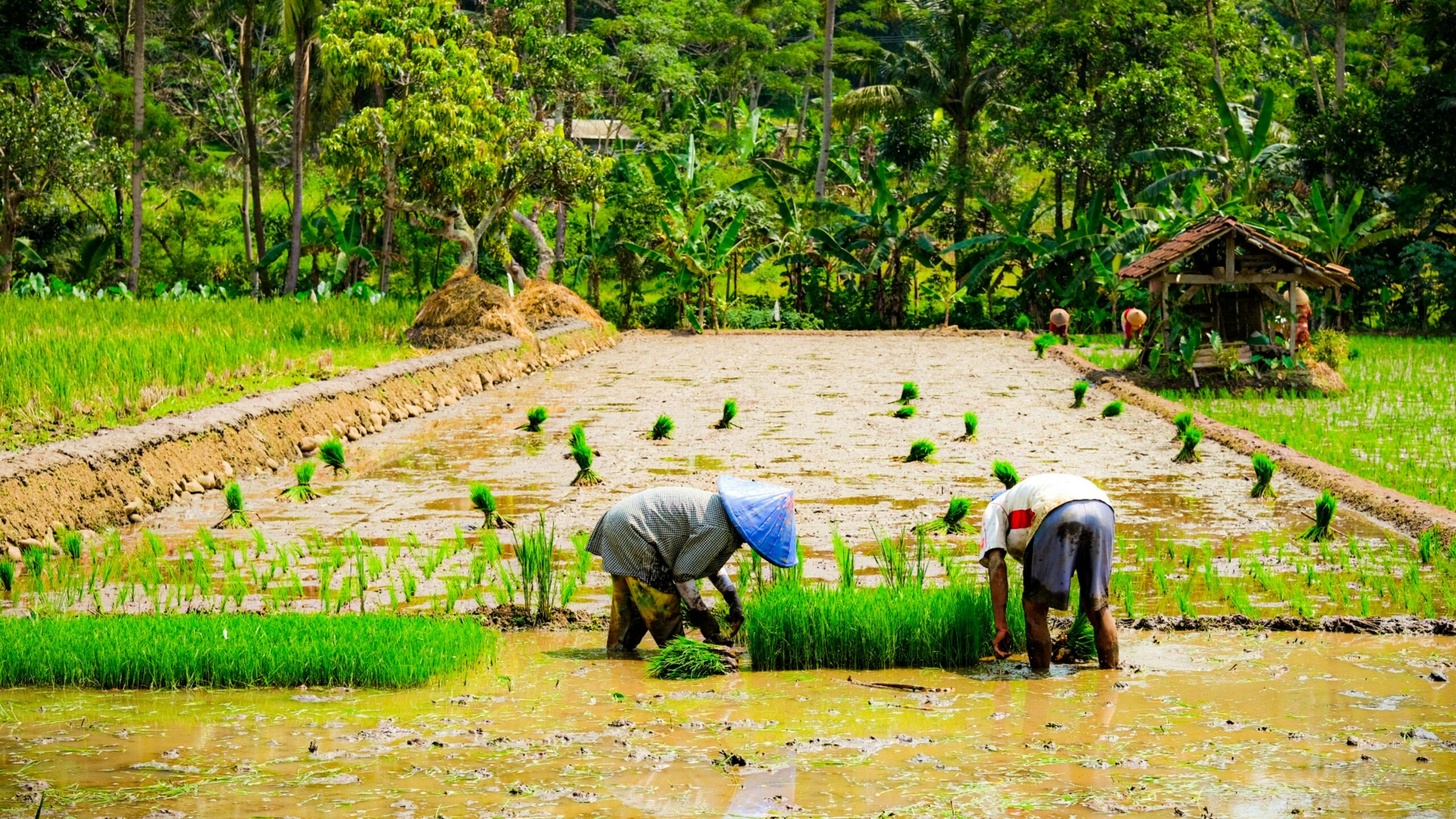
Agriculture has entered a new phase in which digital intelligence now influences nearly every stage of production. Farmers no longer rely solely on instinct, experience, or seasonal tradition to guide decisions. Instead, they combine long-standing practices with real-time data, automation, and predictive tools to manage land more precisely. Because of this shift, agriculture has become more efficient, more measurable, and more responsive to environmental change.
At the same time, global food demand continues to rise, placing additional pressure on farming systems. Producers must grow more crops while using fewer resources such as water, fertilizer, and fuel. Therefore, technology has become essential for maintaining productivity without damaging soil health or increasing environmental strain. As digital tools expand, agriculture increasingly depends on integrating physical farming with digital insights.
Smart Fields and Precision Decision-Making
Modern farming now depends heavily on precision systems that treat every section of a field as unique. Instead of applying uniform treatments across entire acres, farmers now adjust inputs based on soil conditions, moisture levels, and crop health data. GPS-guided machinery helps ensure accurate planting and harvesting, while soil sensors provide continuous feedback. As a result, farmers can reduce waste while improving crop yields.
In addition, precision systems enable farmers to make faster, more confident decisions. When weather patterns shift or soil conditions change unexpectedly, real-time data helps producers quickly adjust irrigation, fertilization, or pest control strategies. This responsiveness reduces risk and improves efficiency across the entire growing season. Consequently, precision agriculture enhances both productivity and sustainability.
The Power of Agricultural Data Systems
Data has become one of the most valuable resources in modern agriculture. Farmers collect information from satellites, drones, soil sensors, weather stations, and equipment systems. This data provides a detailed view of farm conditions that was not possible in earlier generations. Because agriculture depends on many changing variables, data helps reduce uncertainty and improve long-term planning.
Moreover, digital platforms now organize and analyze agricultural data to support smarter decision-making. Farmers can compare performance across seasons, identify patterns in crop growth, and adjust strategies based on measurable results. These systems also help producers plan planting schedules and predict yield outcomes more accurately. Therefore, data has become a central force driving modern agricultural success.
Drones and Aerial Intelligence in Farming
Drone technology has transformed how farmers observe and manage their fields. Equipped with high-resolution cameras and sensors, drones capture detailed images of crops from above. These images reveal problems such as irrigation failures, pest infestations, and nutrient deficiencies before they spread widely. Because of this early detection, farmers can take action quickly and prevent larger losses.
At the same time, drones reduce the need for time-consuming manual field inspections. Farmers can monitor large areas of land in a fraction of the time it used to take. This efficiency allows them to focus on more strategic decisions rather than constant physical checks. As a result, drone technology improves both productivity and operational convenience across agricultural operations.
Smart Irrigation and Resource Efficiency
Water management remains one of the most critical challenges in agriculture, especially in regions affected by drought or limited rainfall. Smart irrigation systems now help farmers use water more efficiently by adjusting watering schedules based on real-time soil and weather data. These systems ensure crops receive the right amount of water at the right time, reducing waste and improving plant health.
Furthermore, smart irrigation supports long-term sustainability by conserving water resources. Overwatering not only wastes water but can also damage crops and increase disease risk. On the other hand, underwatering reduces yields and weakens plant growth. Because smart systems maintain balance automatically, they help farmers protect both crops and natural resources more effectively.
Artificial Intelligence Transforming Farm Management
Artificial intelligence has introduced a new level of intelligence into agriculture by analyzing complex data and making predictive recommendations. AI systems can study weather trends, soil conditions, and historical yield data to guide farming decisions. Because these systems process large amounts of information quickly, they help farmers respond to challenges before they become serious problems.
In addition, AI helps identify risks that may not be visible through traditional observation. For example, machine learning models can detect early signs of plant disease or pest activity through image recognition. These early warnings allow farmers to take preventive action, reducing crop damage and improving overall productivity. Consequently, AI has become an increasingly important tool in modern farm management.
Automation and the Rise of Intelligent Machinery
Automation has significantly changed how farming operations are carried out daily. Modern tractors, harvesters, and planting equipment often operate with GPS guidance and automated control systems. These machines perform tasks with high precision, reducing human error and improving consistency across large fields. As labor shortages continue in many regions, automation also helps fill critical workforce gaps.
At the same time, automated systems improve efficiency by completing repetitive tasks more quickly than manual labor. Machines can plant seeds at exact spacing, apply fertilizer evenly, and harvest crops with minimal waste. Because of this precision, automation supports both productivity and resource conservation. Therefore, intelligent machinery has become a core part of modern agricultural operations.
Sustainability Driven by Technology
Sustainability has become a central goal in agriculture, and technology plays a major role in achieving it. Precision farming reduces the overuse of fertilizers and pesticides by targeting only the areas that need treatment. Smart irrigation systems conserve water, while automated machinery reduces fuel consumption and field damage. As a result, farming becomes more efficient while reducing environmental impact.
In addition, technology supports healthier soil management practices over time. Data-driven insights help farmers rotate crops effectively and maintain soil nutrients more consistently. Because soil health directly affects long-term productivity, these improvements strengthen agricultural systems for future generations. Therefore, technology not only improves current yields but also protects future farming potential.
Challenges in the Digital Transformation of Agriculture
Despite its benefits, digital agriculture still faces several challenges. High equipment costs can limit access for smaller farms that struggle to make large technology investments. Additionally, rural areas may lack reliable internet infrastructure, which restricts the use of cloud-based systems and real-time data tools. These barriers can slow adoption rates in certain regions.
Furthermore, farmers must develop new skills to operate advanced systems effectively. Understanding data analytics, software platforms, and automated equipment requires training and experience. Although many farmers adapt successfully, the learning curve can be steep. Therefore, education and support remain essential for ensuring that digital agriculture benefits all producers, not just large-scale operations.