Modern farming continues to change rapidly. Farmers now face rising production costs, unpredictable weather, labor shortages, and growing pressure to protect natural resources. Because of these challenges, long-term success depends on more than seasonal profits alone. Today’s growers need smart systems that improve productivity while protecting land for future generations. That is why sustainable agriculture planning has become one of the most important topics in modern farming.
Many farmers already understand that healthy land creates stronger harvests. However, future-proof farming goes beyond simple crop production. It focuses on building resilient systems that can adapt to climate shifts, market changes, and resource shortages. At the same time, these strategies help reduce waste and improve long-term profitability. Farmers who invest in sustainable methods today often create stronger operations for decades to come.
Strengthening Soil for Better Harvest Stability
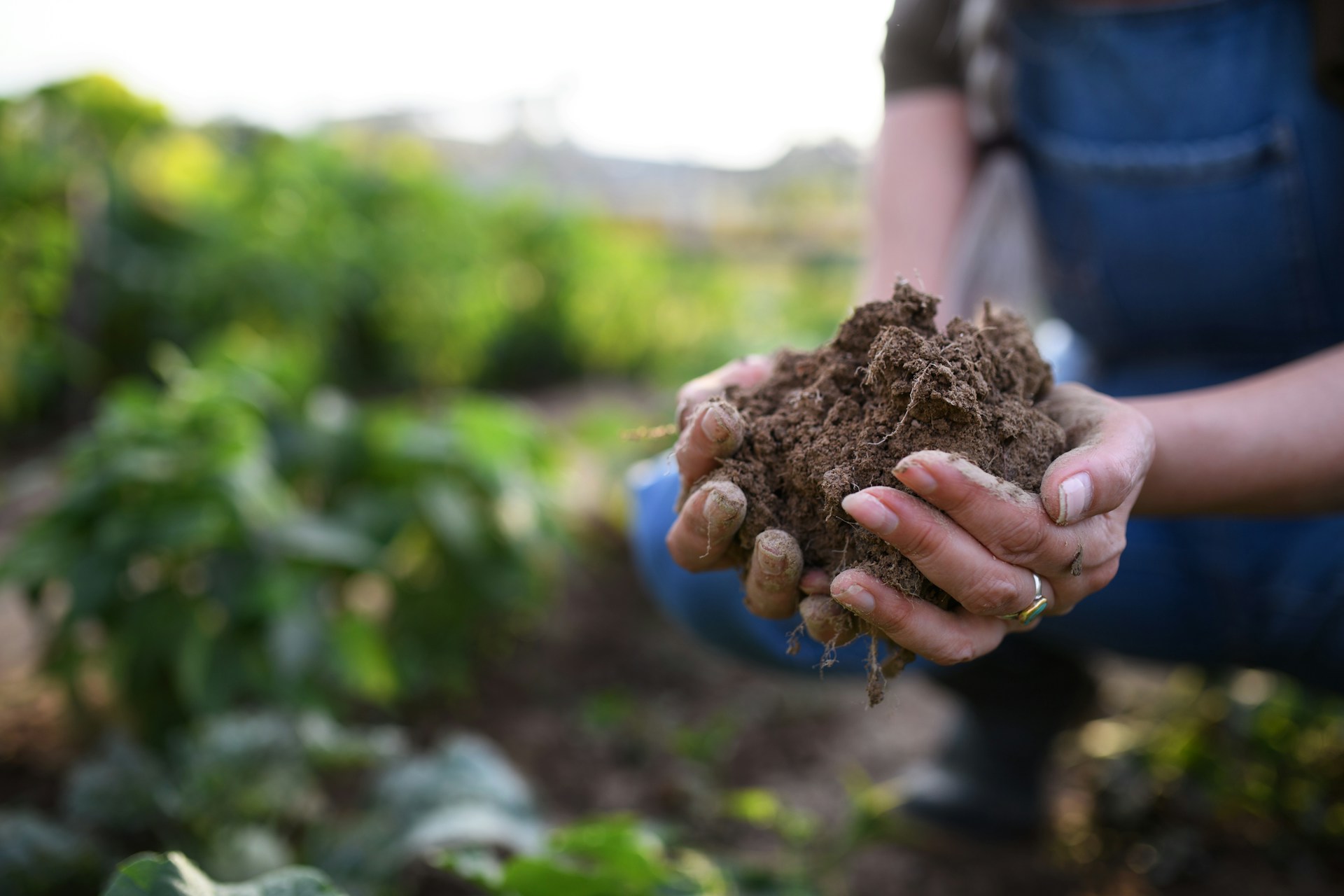
Healthy soil remains the foundation of successful agriculture. Without strong soil structure, crops struggle to access nutrients and water. As a result, yields may decline while farming costs continue to rise. Farmers who focus on soil improvement often see better long-term production and stronger crop resilience during difficult weather conditions.
Cover crops, compost, and crop rotation can all improve soil quality over time. In addition, reducing excessive tillage helps preserve beneficial organisms that support plant growth. These methods also improve water retention, which becomes extremely valuable during dry seasons. When farmers protect the soil first, they create a stronger foundation for all other farming practices.
Managing Water More Efficiently Across Every Season
Water management has become a major concern for farms across the country. Droughts, flooding, and inconsistent rainfall patterns create serious production risks. Therefore, farmers must find ways to use water more carefully while still maintaining healthy crops.
Efficient irrigation systems can help reduce waste and improve consistency. Drip irrigation, moisture sensors, and rainwater collection systems allow growers to apply water only where needed. Meanwhile, mulching and cover cropping help reduce evaporation from the soil surface. These methods support long-term sustainability while lowering water-related expenses.
Diversifying Crops to Reduce Financial Risk
Relying on a single crop can expose farms to major financial losses. If pests, disease, or market prices affect that crop, the entire operation may suffer. However, crop diversity creates multiple sources of stability for the farm.
Rotating crops also improves soil fertility and reduces pest pressure naturally. Furthermore, planting a wider variety of crops may open access to additional markets and customers. In many cases, farmers using regenerative farming methods discover that diversified operations become more resilient during periods of economic uncertainty. Over time, this flexibility supports stronger long-term farm performance.
Using Modern Technology With Practical Goals
Agricultural technology continues to evolve rapidly. However, successful farmers use technology carefully and strategically rather than chasing every new trend. The best tools solve real problems and improve efficiency without creating unnecessary complexity.
Weather tracking systems, drones, GPS mapping, and soil sensors can help farmers make more informed decisions. As a result, they may reduce fertilizer use, improve irrigation timing, and monitor crop health more effectively. At the same time, technology works best when combined with practical farming experience. Data can guide decisions, but local knowledge remains critical to daily operations.
Reducing Input Costs Without Sacrificing Production
Long-term farm sustainability depends heavily on financial balance. Rising fuel, fertilizer, and chemical prices can place enormous pressure on profit margins. Therefore, reducing unnecessary inputs often becomes essential for maintaining stable operations.
Integrated pest management, natural fertilizers, and improved crop rotation systems can lower production costs over time. In addition, efficient machinery and smarter field planning help reduce fuel and labor expenses. Farmers who focus on efficiency often discover that sustainability and profitability can support each other rather than compete.
Supporting Local Markets and Community Connections
Strong local relationships can improve farm stability in many ways. Farmers who build direct connections with consumers often gain more control over pricing and product demand. This approach also reduces dependence on distant supply chains that may become unreliable during disruptions.
Farmers’ markets, local restaurants, food cooperatives, and community-supported agriculture programs can create dependable sales opportunities. Moreover, local partnerships often encourage stronger community support for agriculture. As farms become more connected to nearby consumers, they may develop more stable, predictable income streams.
Preparing Farms for Climate and Weather Challenges
Climate uncertainty continues to affect agricultural planning across many regions. Extreme heat, heavy storms, flooding, and drought conditions can damage crops and reduce productivity. Because of this, farmers must prepare for a wider range of environmental risks than ever before.
Windbreaks, water storage systems, improved drainage, and drought-resistant crops can all strengthen farm resilience. In the middle of these efforts, climate-smart farming practices help growers adapt to changing environmental conditions while protecting long-term productivity. Farms that prepare early often recover faster from severe weather events and maintain stronger production levels.
Creating a Long-Term Vision for Generational Success
Future-proof farming requires long-term thinking rather than short-term reactions. Farmers who plan carefully for the next decade often make stronger choices today. This includes protecting soil health, investing in efficient systems, and preparing younger generations for leadership roles within the operation.
A sustainable farm supports both the land and the people who depend on it. In the early stages of planning, many growers also focus on farm resilience strategies to enhance stability during uncertain economic and environmental conditions. These efforts help create operations that can continue producing food while remaining financially healthy for years to come.
Long-term agricultural success rarely comes from one single change. Instead, it develops through steady improvements made over time. Farmers who strengthen soil, conserve water, diversify crops, and build strong community connections often create operations that can adapt to future challenges. As agriculture continues to evolve, sustainable farming strategies will remain essential for protecting food production, natural resources, and rural communities across the country.