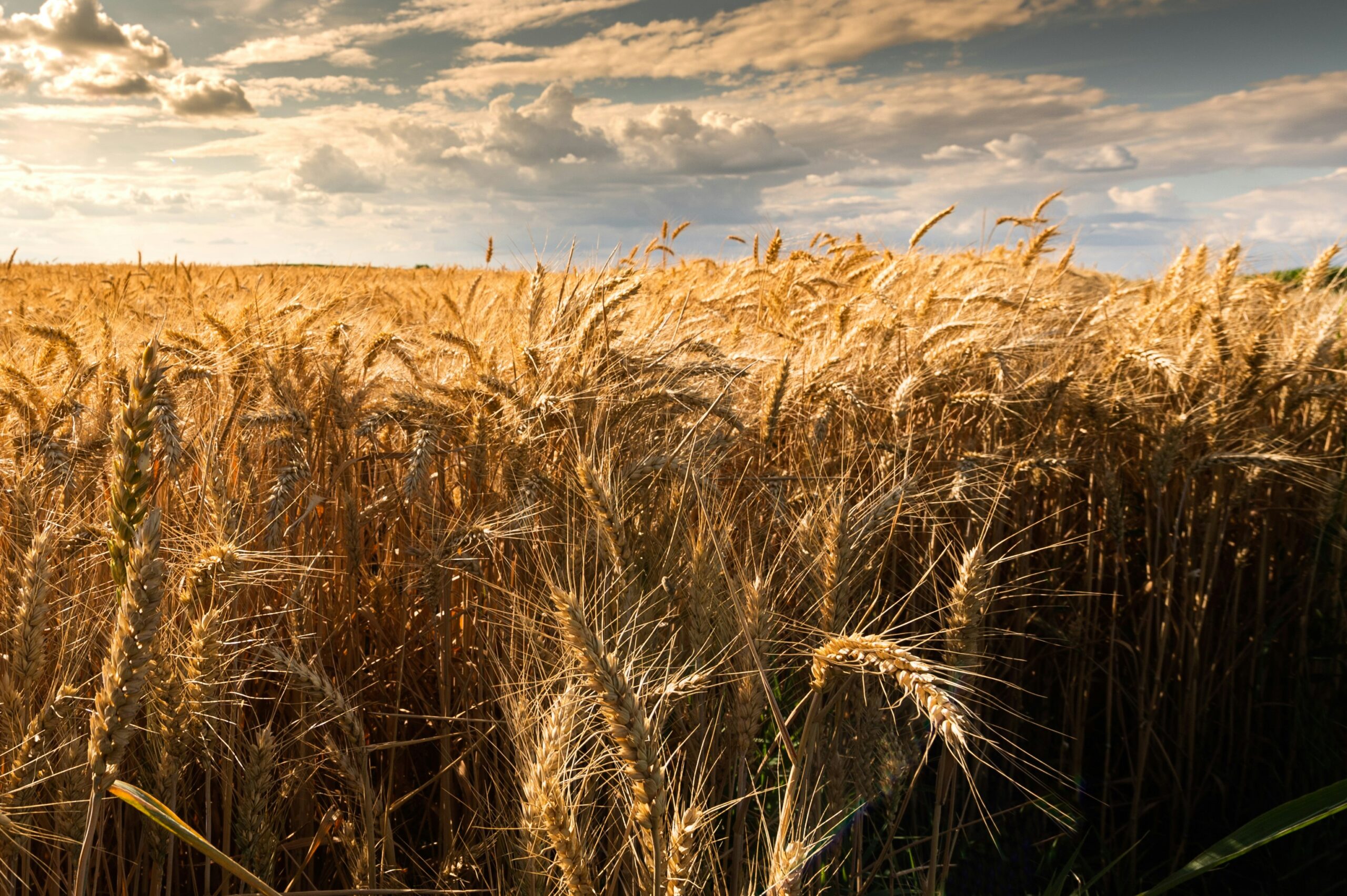
Grain may begin as a simple crop in a farmer’s field, but its economic journey extends far beyond agriculture. Wheat, corn, rice, barley, soybeans, and other major crops support a complex grain economy involving farmers, processors, traders, transportation companies, manufacturers, and consumers. Each participant adds value while moving crops from production areas toward markets where demand determines their final purpose.
Moreover, profitable grain production depends on much more than harvesting a large crop. Farmers must control costs, protect quality, understand market conditions, and decide when to sell. Meanwhile, buyers evaluate supply, demand, transportation costs, and global economic trends. As a result, grain becomes a profitable commodity through a connected system where production, logistics, pricing, processing, and trade work together.
Grain Production Creates the Foundation for Value
Every profitable grain commodity starts with successful crop production. Farmers select crops according to climate, soil conditions, expected market demand, and production costs. They also invest in seed, fertilizer, machinery, irrigation, labor, and crop protection. Therefore, production decisions often begin months before farmers know the final market price. Strong planning helps producers manage uncertainty while improving their chances of generating acceptable returns.
However, producing more grain does not automatically create greater profits. Farmers must compare potential yields against their total production expenses. For example, higher fertilizer use might increase yields, but the added crop must generate enough revenue to justify that expense. Consequently, successful producers focus on efficiency as well as output. They seek ways to increase productivity while keeping each bushel or ton economically competitive.
Harvest Quality Shapes Commodity Value
Once harvest begins, grain quality becomes a major factor in determining market value. Buyers commonly evaluate characteristics such as moisture, cleanliness, weight, protein content, and overall condition. Poor harvesting practices can damage kernels or introduce unwanted material. Therefore, farmers must operate equipment carefully and harvest crops at suitable maturity levels to preserve the qualities that buyers expect.
Additionally, different markets may place different values on specific quality characteristics. A grain processor may need wheat with certain protein levels, while another buyer may focus heavily on moisture or consistency. Farmers who understand these requirements can target markets more effectively. As a result, quality management turns harvested crops into commodities that meet commercial specifications and command stronger market opportunities.
Grain Storage Gives Producers More Marketing Flexibility
Farmers do not always sell grain immediately after harvest. Instead, many producers store crops in grain bins or commercial elevators until market conditions become more favorable. Storage can prevent farmers from entering the market when seasonal supplies are especially high. Therefore, storage provides an important marketing tool that separates the harvest date from the final selling date.
Nevertheless, storage introduces additional costs and risks. Grain requires proper temperature, moisture control, aeration, and monitoring to prevent insects, mold, or spoilage. Farmers must also consider financing expenses and potential market changes while holding inventory. Consequently, successful storage decisions require careful economic analysis. The potential increase in grain prices must justify the costs and risks associated with delaying a sale.
Commodity Markets Transform Crops Into Tradable Assets
After harvest, grain enters a marketplace where buyers and sellers determine its financial value. Local elevators, processors, exporters, feed companies, and other commercial buyers compete for available supplies. Prices respond to current inventory, expected demand, transportation conditions, and future crop forecasts. Thus, commodity markets connect physical agricultural production with broader economic forces.
Furthermore, futures markets allow participants to establish prices for grain that may be delivered later. Farmers and commercial companies can use these markets to manage price uncertainty. Although futures trading can appear separate from physical agriculture, it strongly influences cash grain prices. Therefore, understanding commodity markets helps producers make informed decisions about when and how they sell their crops.
Supply and Demand Drive Grain Prices
Supply and demand remain central forces throughout the grain economy. When production exceeds market needs, prices often face downward pressure. Conversely, limited supplies can support higher prices when demand remains strong. Weather events, planted acreage, crop yields, inventory levels, and government policies can quickly change supply expectations. Therefore, grain prices frequently respond before harvest results become completely clear.
Demand also comes from several major sectors. Food manufacturers purchase grain for products consumed by households, while livestock operations require large quantities of feed. In addition, industrial users may convert crops into ethanol, starch, oils, sweeteners, and other products. Export markets create another major source of demand. Consequently, profitable grain markets depend on multiple industries rather than one single group of buyers.
Transportation Connects Farms With Profitable Markets
Grain often travels considerable distances before reaching its final destination. Trucks move crops from farms to elevators, processing plants, rail terminals, or ports. Railroads and barges then transport larger volumes efficiently across major agricultural regions. Therefore, transportation infrastructure directly affects how easily producers can access buyers and how much value remains after delivery expenses.
Meanwhile, transportation problems can influence local grain prices even when national or global demand remains strong. Low river levels, rail disruptions, fuel price increases, or port congestion may raise shipping costs. Buyers may respond by lowering the amount they offer producers. As a result, transportation efficiency becomes an important part of grain profitability and influences the competitiveness of entire agricultural regions.
Processing Adds Economic Value to Raw Grain
Raw grain gains additional value when processors transform it into products that consumers and businesses can use. Wheat becomes flour, corn becomes food ingredients or ethanol, and soybeans produce oil and meal. Rice undergoes milling before reaching most consumers. Through these activities, processing companies expand the economic usefulness of agricultural commodities and create markets for different crop characteristics.
In addition, processing creates valuable secondary products. For instance, some grain processing operations produce animal feed ingredients alongside their primary products. Manufacturers can sell these materials instead of treating them as waste. Therefore, processing increases overall commodity value while connecting grain production with food, energy, livestock, and manufacturing industries. This added value strengthens the wider agricultural economy.
Global Trade Expands the Grain Economy
International trade gives grain producers access to demand beyond domestic markets. Countries with large agricultural surpluses can export crops to regions where local production cannot meet consumption needs. Population growth, changing diets, livestock production, and food security concerns all influence global grain demand. Consequently, international buyers can significantly affect prices received by producers thousands of miles away.
However, global trade also introduces uncertainty. Currency movements, tariffs, trade agreements, political tensions, shipping costs, and competing exporters can change purchasing patterns quickly. A strong harvest in another major producing country may reduce demand for competing supplies. Therefore, grain businesses monitor international developments closely because global conditions can directly influence local commodity prices and profitability.
Risk Management Protects Grain Profitability
Agriculture involves several forms of risk at the same time. Farmers face unpredictable weather, changing input costs, uncertain yields, and fluctuating commodity prices. A producer can harvest an excellent crop yet receive disappointing returns if market prices fall sharply. Therefore, effective risk management focuses on protecting margins rather than simply producing the largest possible harvest.
Additionally, producers may use forward contracts, futures contracts, crop insurance, diversified marketing schedules, and other financial strategies. These approaches can reduce exposure to unfavorable market movements. However, every strategy involves trade-offs and requires careful planning. Consequently, farmers who understand both production costs and market risk can make more disciplined decisions about protecting revenue throughout the crop cycle.
Technology Improves Decisions Across the Grain Supply Chain
Technology increasingly shapes how participants manage the grain economy. Farmers use precision agriculture systems to measure field conditions, monitor yields, control inputs, and improve operational efficiency. Meanwhile, grain elevators and processors use digital systems to track inventories and quality. These technologies provide better information, which allows businesses to identify problems and make decisions more quickly.
Furthermore, market information has become easier to access through digital platforms. Producers can monitor commodity prices, weather forecasts, crop reports, transportation conditions, and international developments almost instantly. Better information does not remove market uncertainty, but it supports more informed choices. As a result, technology helps participants respond faster to changing conditions and potentially protect valuable profit margins.
Sustainability Can Influence Long-Term Commodity Value
Modern grain profitability increasingly depends on long-term resource management. Farmers need productive soil, reliable water supplies, and resilient farming systems to maintain yields over many seasons. Practices that reduce erosion, improve soil health, or use inputs more efficiently can support future productivity. Therefore, sustainable grain production can serve both environmental goals and long-term economic interests.
At the same time, food companies and consumers increasingly pay attention to agricultural sourcing practices. Some buyers seek grain produced under specific environmental or traceability standards. These requirements may create specialized market opportunities for qualified producers. Consequently, sustainability can become part of commodity value when buyers connect production methods with supply chain goals, customer expectations, and business performance.
Turning Grain Into Lasting Economic Opportunity
The journey from field to profitable commodity involves far more than planting and harvesting crops. Grain moves through storage facilities, transportation networks, commodity markets, processing plants, and international trade channels. At every stage, participants make decisions that influence costs, quality, risk, and value. Therefore, the grain economy functions as an interconnected commercial system rather than a simple exchange between farmers and buyers.
Ultimately, profitable grain markets depend on efficiency throughout that entire system. Farmers must produce quality crops at competitive costs, while storage operators must protect inventory. Transporters must move commodities efficiently, processors must create valuable products, and traders must connect supply with demand. When these activities work effectively, ordinary crops become valuable commodities that support farms, businesses, industries, and economies around the world.