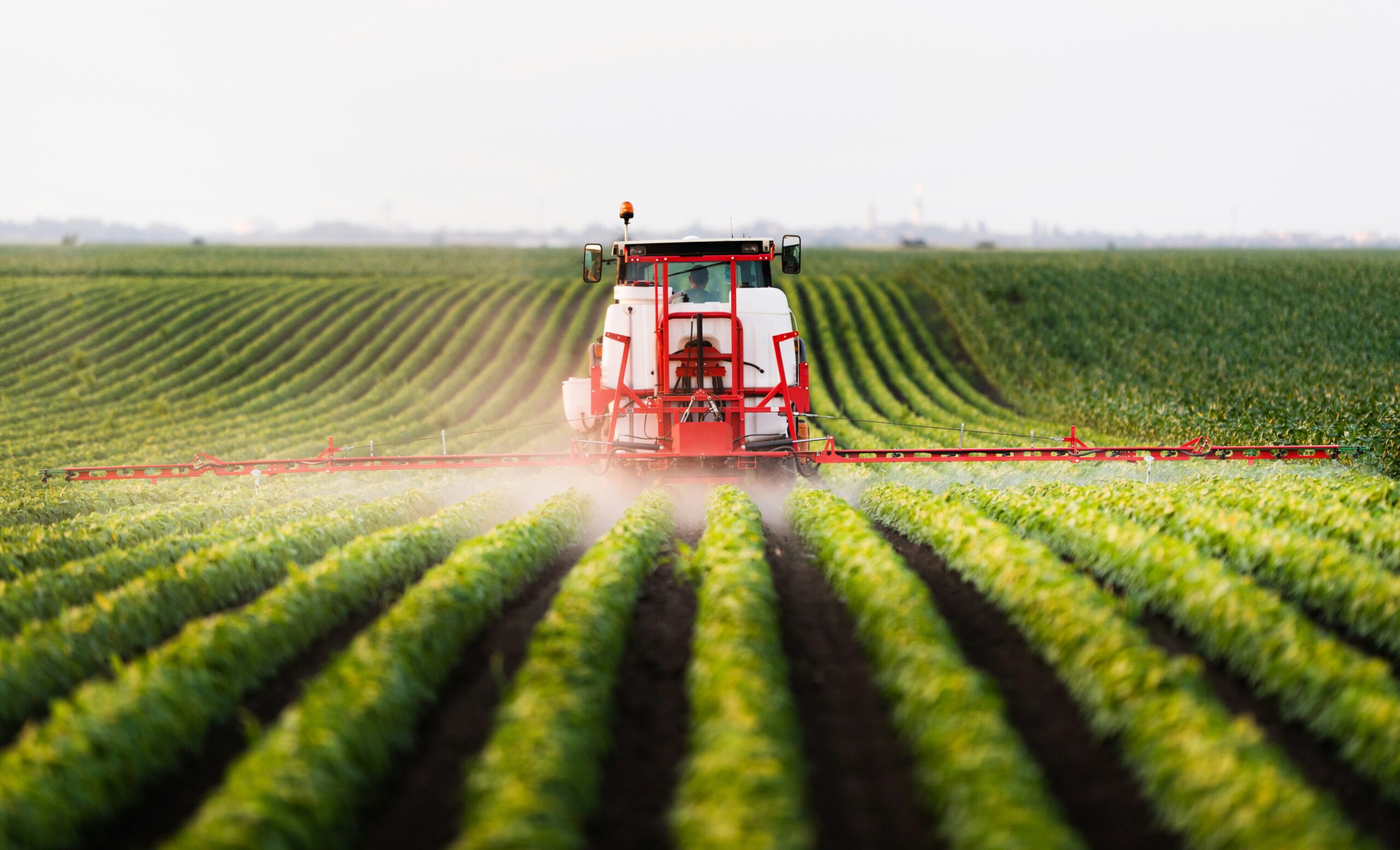
Modern agriculture is changing faster than ever as technology moves from laboratories and factories into fields, farms, and greenhouses. Farmers now have access to digital tools that can help them understand crops, manage resources, reduce waste, and respond to changing weather conditions. From artificial intelligence to smart sensors and agricultural drones, innovation is creating a more connected approach to farming. This shift is often called digital agriculture, and it is redefining how food is produced, monitored, and delivered.
The Rise of Digital Agriculture
Digital agriculture combines farming knowledge with data, software, connected devices, and automated systems. Instead of relying only on experience and traditional methods, farmers can use real-time information to make more informed decisions. Sensors can measure soil moisture, temperature, humidity, and nutrient conditions. Farmers can then use this information to determine when crops need water or when soil conditions require attention.
Farm management software can bring different types of information together in one place. Weather forecasts, field conditions, crop performance, and equipment data can be analyzed to support daily decisions. This connected approach can make farm operations more organized while helping farmers use resources more efficiently.
Artificial Intelligence Is Changing Farm Decisions
Artificial intelligence is becoming an important part of modern agriculture. AI systems can process large amounts of agricultural data and identify patterns that may be difficult to recognize manually. Farmers can use these insights to monitor crop health, identify potential problems, and improve planting and harvesting decisions.
Computer vision is another growing application. Cameras installed on equipment or drones can capture images of crops and identify signs of disease, weeds, or nutrient stress. Early detection can allow farmers to address problems before they spread across larger areas. This can support healthier crops while reducing unnecessary treatments.
Smart Sensors Improve Resource Management
Water is one of the most important resources in agriculture, making efficient irrigation a major priority. Smart irrigation systems can use soil moisture sensors and weather information to determine when fields need water. Instead of applying the same amount of water across an entire field, farmers can adjust irrigation according to actual conditions.
This technology can reduce water waste and help crops receive more consistent moisture. Similar sensor-based systems can monitor soil nutrients and environmental conditions. By using precise measurements, farmers can make targeted decisions instead of applying resources uniformly across large areas.
Drones and Precision Farming
Agricultural drones are giving farmers a new way to observe their fields. Equipped with cameras and specialized sensors, drones can collect detailed images from above. These images can reveal differences in plant growth, soil conditions, and crop stress.
Precision farming uses this information to manage specific parts of a field according to their individual needs. A farmer may discover that one section requires additional nutrients while another section is already performing well. Treating fields with greater precision can reduce unnecessary input use and potentially improve productivity.
Automation Is Reducing Manual Work
Automation is also reshaping agricultural operations. Modern machines can use GPS, sensors, cameras, and software to perform tasks with increasing levels of precision. Automated equipment can assist with planting, spraying, harvesting, and field monitoring.
Robotic systems are being developed for tasks such as removing weeds and harvesting certain crops. These technologies can help address labor challenges and allow farmers to focus more attention on planning, management, and other complex responsibilities. Automation does not simply replace human work; in many cases, it changes how human skills are applied.
Data Is Becoming a Farm Asset
Data has become one of the most valuable resources in digital agriculture. Every planting decision, weather event, soil measurement, and harvest can produce useful information. When collected over several growing seasons, this data can help farmers understand long-term patterns.
Farmers can compare historical information with current conditions to improve future decisions. Data can also support better forecasting and financial planning. However, responsible data management is important. Farmers need clear information about how their data is collected, stored, shared, and used.
Technology Supports Sustainable Farming
Digital innovation can also contribute to more sustainable agriculture. Precision tools can help reduce excessive use of water, fertilizers, pesticides, and fuel. Better monitoring can make it easier to identify problems early and prevent resources from being wasted.
Technology alone cannot solve every agricultural challenge, but it can give farmers better tools for managing environmental pressures. As climate patterns become more difficult to predict, digital systems can help farmers respond to changing conditions with greater flexibility.
The Future of Connected Farms
The future of agriculture is likely to become even more connected. Faster communication networks, improved AI systems, advanced robotics, and increasingly affordable sensors may bring digital tools to more farms. Small and large agricultural operations can use technology in different ways depending on their needs, resources, and crops.
The most important change may be the growing connection between information and action. A sensor can collect data, software can analyze it, and automated equipment can respond in the field. This creates a farming system where decisions can become faster, more precise, and more informed.
Digital agriculture is not about removing farmers from the process. It is about giving them better information and more capable tools. As innovation continues to develop, digital fields are becoming a powerful part of modern agriculture, helping farmers improve efficiency, manage resources, and prepare for the challenges of the future.