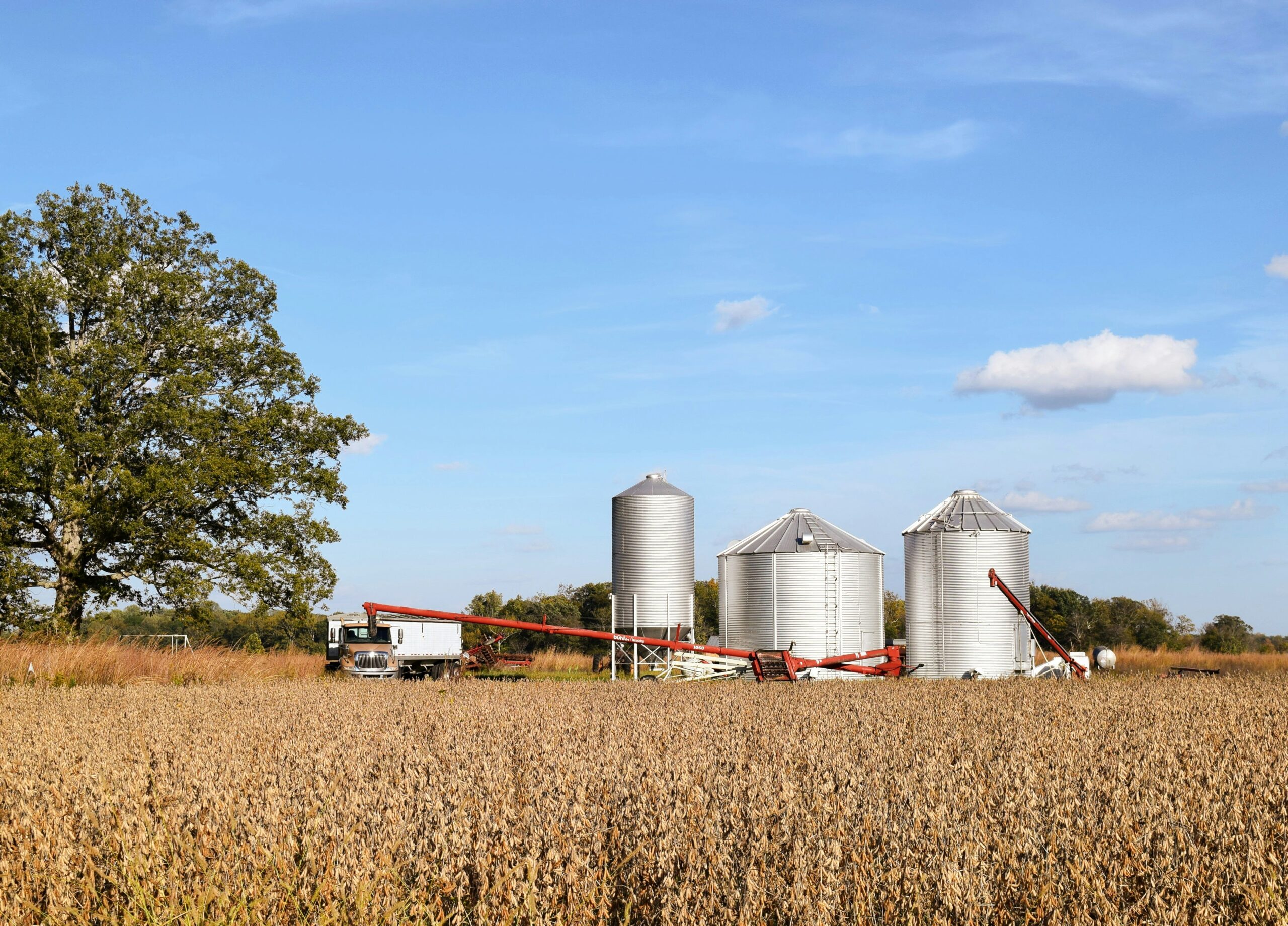
A successful harvest represents months of hard work, careful planning, and investment from farmers. However, producing a good crop is only the first step toward food security. Proper storage and preservation play an equally important role because poor storage conditions can damage grain quality and reduce its value. Therefore, protecting harvested grain has become a major priority for farmers, food businesses, and agricultural communities around the world.
Moreover, grain storage challenges continue to increase because of climate change, rising demand, and growing pressure on food systems. Moisture, pests, fungi, and temperature changes can quickly affect stored grains if proper protection methods are not used. As a result, modern storage solutions are becoming essential for maintaining grain quality, reducing losses, and ensuring a stable food supply.
Understanding the Challenges of Grain Preservation
Grain preservation requires careful management because harvested grains remain biologically active after leaving the field. They continue to exchange moisture and respond to environmental conditions. Therefore, farmers must control storage conditions to prevent spoilage and maintain quality. Even small changes in temperature or humidity can create problems that affect the safety and market value of stored grain.
Furthermore, storage losses often occur because of insects, rodents, and fungal growth. These problems can reduce grain weight, damage nutritional quality, and create health risks. Consequently, effective preservation strategies must focus on prevention rather than only treating problems after they appear. Modern storage systems help farmers create safer environments where grains can remain fresh for longer periods.
Advanced Storage Facilities Improve Grain Protection
Modern storage facilities have changed the way farmers preserve their harvests. Traditional storage methods often depend on basic structures that provide limited protection against environmental changes. However, advanced storage facilities use improved designs and materials to create controlled environments. Therefore, these systems help maintain stable conditions and protect grain quality over extended periods.
In addition, modern storage structures allow better management of airflow, temperature, and moisture levels. These improvements reduce the chances of spoilage and help maintain consistent grain conditions. As a result, farmers and storage operators can reduce waste and increase the profitability of their harvest. Investing in better storage facilities provides long-term benefits for both producers and consumers.
Temperature and Moisture Control Are Essential
Temperature and moisture management are two of the most important factors in successful grain preservation. Excess moisture creates conditions that encourage mold growth and insect activity. Therefore, controlling moisture levels helps prevent damage and protects the quality of stored grain. Proper drying before storage is one of the most effective ways to reduce preservation problems.
Moreover, temperature monitoring helps prevent hidden damage inside storage areas. When grain becomes too warm, it can create conditions that support spoilage and reduce quality. Therefore, many modern storage systems use monitoring technologies to track temperature changes and allow quick responses. By maintaining proper conditions, farmers can significantly improve storage performance and reduce unnecessary losses.
Smart Technology Creates Better Storage Management
Technology has introduced new opportunities for improving grain storage and preservation. Today, smart monitoring systems can collect information about storage conditions and provide real-time updates. As a result, farmers can identify potential problems before they become serious. These technologies allow storage managers to make faster and more accurate decisions.
Additionally, digital tools improve efficiency by reducing the need for constant manual inspections. Automated systems can monitor temperature, humidity, and air movement inside storage facilities. As a result, farmers can maintain better control over their stored grain while saving time and resources. Smart storage technology is helping create a more reliable and effective approach to harvest protection.
Protecting Grain From Pests and Contamination
Pest control remains one of the biggest challenges in grain storage. Insects and rodents can cause significant losses if storage areas are not properly managed. Therefore, farmers must maintain clean storage environments and use effective protection methods. Preventing pest problems early helps preserve grain quality and reduces economic losses.
Furthermore, contamination risks must also be carefully managed during storage and transportation. Poor handling practices can introduce harmful substances that affect grain safety. Therefore, maintaining hygiene and following proper storage procedures are essential steps in protecting the harvest. A clean, controlled storage environment supports safer food production and stronger consumer confidence.
Sustainable Storage Methods Reduce Food Waste
Sustainable grain storage solutions help protect the environment while improving agricultural efficiency. Food loss after harvest creates unnecessary pressure on farming systems because wasted grain represents wasted land, water, energy, and labor. Therefore, better preservation methods contribute to more sustainable food production.
Moreover, energy-efficient storage technologies are becoming increasingly important for modern agriculture. Improved insulation, renewable energy systems, and efficient cooling methods can reduce operational costs and environmental impact. As a result, sustainable storage practices help farmers protect their harvest while supporting responsible resource management.
The Role of Proper Grain Drying
Grain drying is a critical step before storage because freshly harvested grain often contains high moisture levels. If farmers store grain without proper drying, it can quickly develop mold and quality problems. Therefore, effective drying methods help create safer storage conditions and extend the shelf life of grain.
Additionally, modern drying technologies provide more accurate control compared to traditional methods. Advanced systems can remove moisture efficiently while protecting grain quality. Consequently, farmers can reduce storage risks and maintain better market value. Proper drying combined with improved storage creates a strong foundation for long-term grain preservation.
Supporting Farmers With Better Knowledge and Training
Technology alone cannot solve every storage challenge because successful preservation also depends on knowledge and proper management. Therefore, farmers need access to education and training programs that teach effective storage practices. Understanding how to manage moisture, temperature, pests, and equipment allows farmers to achieve better results.
Furthermore, agricultural organizations and experts play an important role in sharing updated information with farming communities. When farmers learn about modern storage methods, they can make better decisions and reduce post-harvest losses. As a result, knowledge sharing becomes an essential part of building stronger agricultural systems and improving food security.
Building a Safer Future for Grain Storage
Protecting the harvest requires a combination of modern technology, careful management, and sustainable practices. Therefore, advanced grain storage solutions are becoming essential for meeting the needs of a growing population. By improving storage conditions, farmers can reduce losses, protect food quality, and increase economic opportunities.
Ultimately, grain preservation is not only about storing food but also about protecting the future of agriculture. Modern storage systems provide farmers with the tools needed to overcome challenges and maintain reliable food supplies. As innovation continues to develop, better storage solutions will help create a stronger, safer, and more sustainable food system for generations to come.