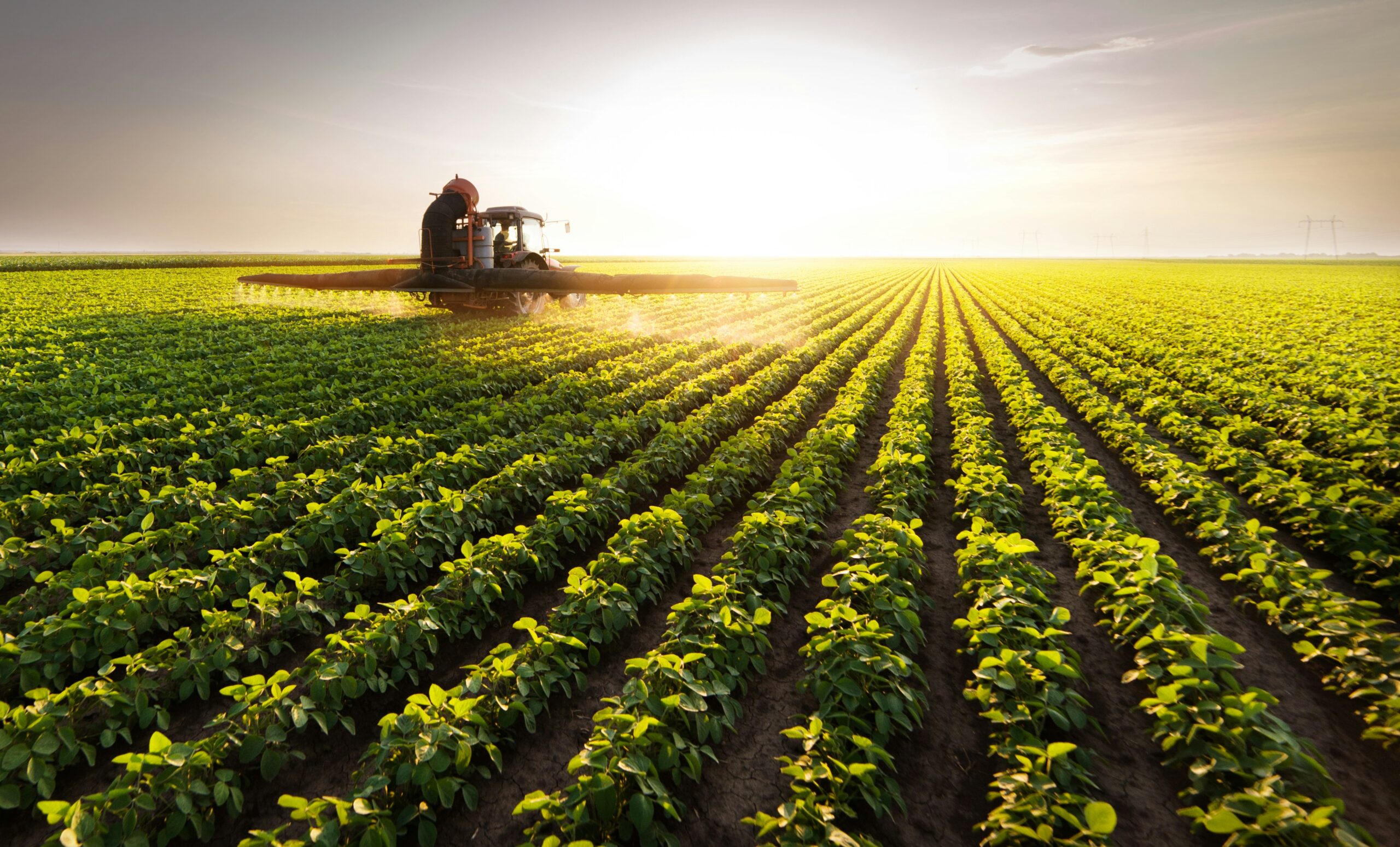
Agriculture has always adapted to society’s needs, from simple hand tools to powerful machines that changed how farmers worked. Today, digital agriculture is creating another major shift by combining farming knowledge with technology, data, and automation. Modern farmers are using smart tools to increase crop production, reduce waste, and protect natural resources. As food demand continues to rise, digital solutions are helping farms become more efficient, sustainable, and prepared for future challenges. This transformation shows how traditional farming methods are evolving into connected and intelligent agricultural systems.
The Journey From Traditional Farms to Digital Fields
For thousands of years, farming depended on experience, observation, and seasonal patterns. Farmers learned how to manage crops by understanding soil conditions, weather changes, and local environments. While these traditional methods remain valuable, they often rely on manual decisions that can limit productivity. However, modern agriculture is changing this process by adding advanced technology that helps farmers make faster and more accurate choices.
Today, digital agriculture connects farms through sensors, software, satellite systems, and data platforms. These tools allow farmers to monitor fields in real time and understand what crops need at different stages of growth. As a result, farmers can move from guessing to making informed decisions based on reliable information. Therefore, technology is not replacing farming knowledge but strengthening it with better resources.
The shift from traditional farms to digital fields also helps solve many challenges faced by agriculture. Climate change, limited water supplies, and rising food needs require smarter approaches. Because of this, farmers are adopting smart farming technology to improve efficiency while maintaining environmental responsibility.
How Digital Agriculture Uses Data to Improve Farming
Data has become one of the most valuable resources in modern farming. Through connected devices and monitoring systems, farmers can collect information about soil quality, moisture levels, crop health, and weather conditions. This information helps them understand their fields more clearly and take action at the right time.
For example, precision farming uses data to apply water, fertilizers, and pesticides only where they are needed. This approach reduces unnecessary resource use and supports sustainable farming practices. Additionally, farmers can predict possible problems before they become serious. As a result, data-driven farming creates better crop management strategies and improves overall farm performance.
Furthermore, digital platforms allow farmers to store and analyze years of agricultural information. Over time, these insights help identify patterns and improve future decisions. Consequently, farmers gain a stronger understanding of their land and can develop methods that support long-term productivity.
The Role of Automation and Smart Farming Technology
Automation is another important part of the agricultural transformation. Today, farms use robotic equipment, automated irrigation systems, and smart machinery to complete tasks more efficiently. These technologies help reduce physical workload while increasing accuracy in daily operations. Therefore, automation is becoming a key element of the future of farming.
Smart equipment can perform many activities, including planting, harvesting, and field monitoring. For instance, automated machines can follow precise instructions and complete tasks with fewer mistakes. Moreover, connected farming systems can adjust operations based on changing conditions. This means farmers can save time, lower costs, and improve results.
In addition, automation supports farms of different sizes. While large agricultural businesses often adopt advanced systems quickly, smaller farms are also gaining access to affordable digital tools. As technology becomes more available, more farmers can benefit from agricultural innovation and improve their productivity.
Digital Agriculture and Sustainable Food Production
Sustainability has become a major goal for farmers around the world. Growing populations require more food, but agricultural systems must also protect soil, water, and ecosystems. Digital agriculture provides solutions that help farmers balance productivity with environmental care.
Smart irrigation systems are one example of how technology supports sustainability. These systems measure soil moisture and deliver water only when crops need it. As a result, farms can reduce water waste while maintaining healthy plant growth. Similarly, digital monitoring tools help farmers use fertilizers more effectively, which can protect surrounding environments.
Moreover, sustainable farming becomes easier when farmers have access to accurate information. By understanding crop conditions and resource usage, they can create better strategies for managing their land. As a result, digital tools support both economic growth and environmental protection, making agriculture more resilient for future generations.
The Future of Modern Agriculture Through Technology
The future of agriculture will continue to be shaped by technology and innovation. Artificial intelligence, advanced robotics, and improved data systems are expected to create even smarter farming solutions. These developments will help farmers respond to challenges faster and create more reliable food production systems.
Artificial intelligence can analyze large amounts of agricultural data and provide useful recommendations. For example, AI systems can help predict weather patterns, identify crop diseases, and improve planting decisions. Therefore, technology will continue to increase the accuracy and efficiency of farming operations.
Additionally, digital farming networks will encourage greater cooperation among farmers, researchers, and agricultural organizations. Sharing knowledge and information can lead to stronger solutions for global food challenges. In this way, digital agriculture will remain an essential part of building a more productive and sustainable agricultural future.
The move from traditional farms to digital fields represents a significant change in how food is produced. However, the foundation of farming remains the same: understanding the land and caring for natural resources. Technology provides farmers with better tools to achieve these goals.
As more farms adopt smart farming technology, agriculture will become more connected, efficient, and adaptable. Ultimately, digital agriculture is not only about machines and software. It is about empowering farmers with knowledge, improving sustainability, and creating a stronger food system for tomorrow.