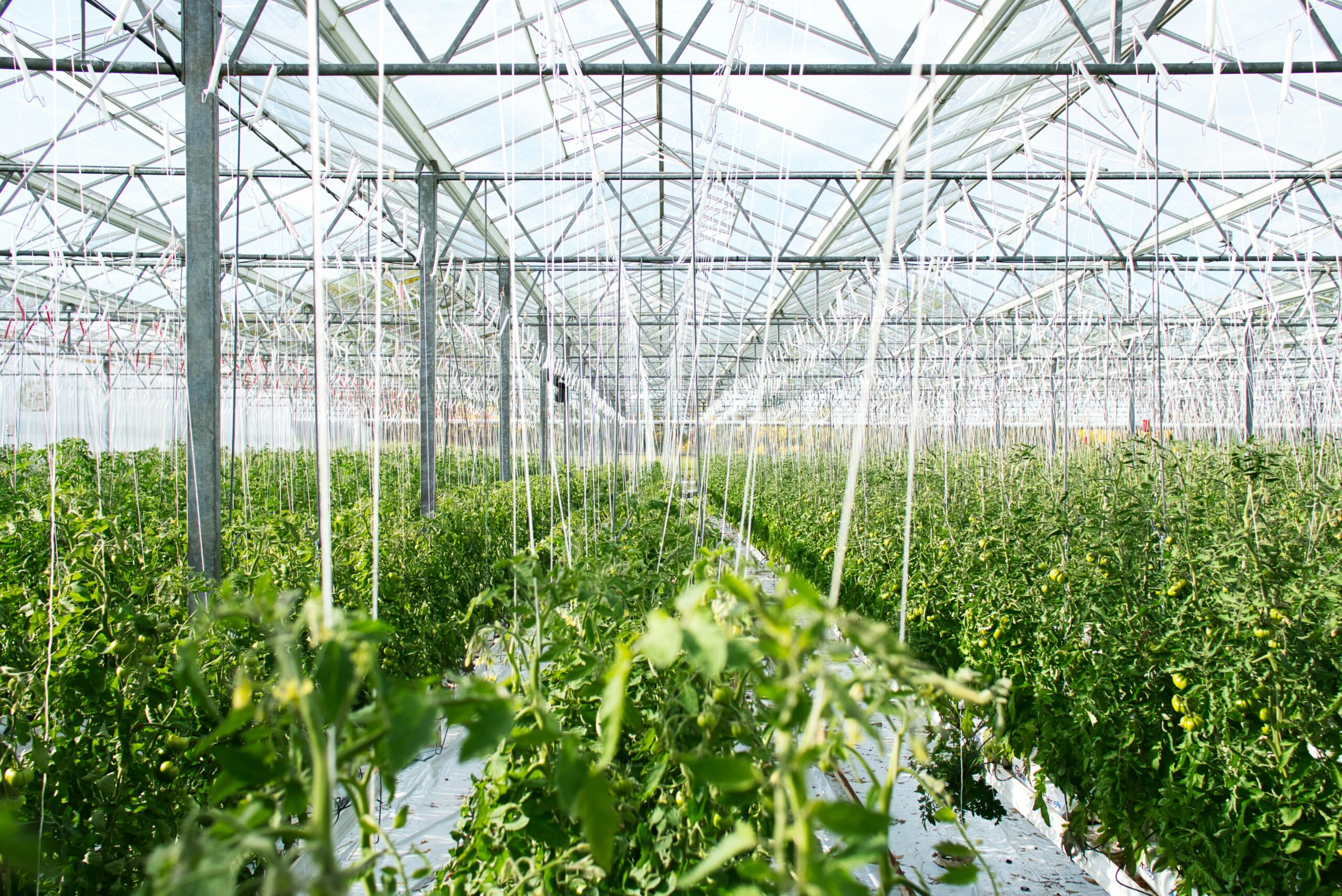
Modern agriculture is changing faster than ever before. Farmers now rely on technology just as much as soil, weather, and traditional knowledge. As a result, farming has become more precise, more efficient, and more sustainable. This shift is often described as the rise of digital fields, where data and machines work together to support every stage of crop production. In this new era, innovation is not optional; it is essential for survival and growth.
Technology Enters the Farmland
Farming used to depend heavily on experience and observation. However, today’s farms use connected systems that collect real-time information from the land. These tools include sensors, GPS mapping, and smart devices that track soil conditions.
Because of precision agriculture, farmers now understand exactly what their crops need. For example, a corn farmer in the Midwest can monitor soil moisture levels directly from a mobile app. As a result, they avoid overwatering and reduce waste. At the same time, they improve yield quality and lower costs.
In addition, these systems help farmers respond faster to changes in weather or soil health. Therefore, decisions become more accurate and less risky.
Smarter Water Use for Healthier Crops
Water management plays a major role in the success of farming. However, traditional irrigation methods often waste large amounts of water. Now, smart irrigation systems solve this problem by delivering water only where and when it is needed.
With smart irrigation technology, farmers use sensors to measure soil moisture. Then, automated systems adjust water flow based on real conditions. For instance, farmers in California vineyards use this approach to protect grapes during dry seasons.
Moreover, this method saves water and reduces energy use. As a result, farms become more sustainable while still maintaining strong production levels.
Data Turns Farming Into a Science
Data has become one of the most powerful tools in agriculture. Farmers now collect information about soil, crops, weather, and pests every day. Then, they use this data to make better decisions.
Because of agricultural data analytics, farming is no longer guesswork. Instead, it becomes a science-driven process. For example, a wheat farmer can analyze past weather patterns to predict the best planting time.
Furthermore, data platforms help farmers track crop performance across seasons. Therefore, they can identify what works best and improve future harvests. In many cases, this leads to higher profits and reduced losses.
Machines That Do the Heavy Work
Labor shortages have become a major challenge in agriculture. However, modern machines are stepping in to help. Today, automated tractors, robotic harvesters, and smart planting systems handle many tasks that once required large teams.
With farm automation systems, farmers complete work faster and more efficiently. For example, robotic harvesters in Japan pick fruits with great precision and minimal damage. Meanwhile, automated tractors follow exact GPS routes across large fields.
In addition, these machines reduce physical strain on workers. As a result, farmers can focus more on planning and management instead of manual labor.
Eyes in the Sky Watching Crops
Drones have completely changed how farmers monitor their fields. These flying devices capture detailed images of crops from above. Then, they help farmers identify problems early.
Thanks to drone farming technology, farmers can quickly detect pest infestations, water shortages, and plant diseases. For instance, a cotton farmer in Texas can scan thousands of acres in minutes. As a result, they respond more quickly and prevent significant crop damage.
Moreover, drones reduce the need for constant physical inspection. Therefore, farmers save time and improve productivity.
Predicting Weather and Reducing Risk
Weather remains one of the biggest challenges in agriculture. However, modern forecasting tools now provide more accurate and timely predictions. These tools combine satellite data, sensors, and advanced algorithms.
With climate-smart agricultural tools, farmers receive alerts about storms, frost, and heatwaves. For example, a farmer in Kansas may receive a warning about heavy rain before harvest. As a result, they can act quickly and protect their crops.
In addition, predictive tools help farmers plan planting and harvesting schedules more effectively. Therefore, they reduce losses caused by unexpected weather changes.
Connecting Farms to Global Markets
Selling crops has also become easier through digital platforms. Farmers no longer depend only on local buyers or intermediaries. Instead, they can reach global markets directly through online systems.
Because of agricultural supply chain platforms, farmers gain better control over pricing and distribution. For example, small farmers in India now sell produce through mobile apps that connect them directly with buyers in cities.
Furthermore, these platforms improve transparency. Therefore, buyers know where their food comes from and how it is produced. This builds trust across the entire food system.
A Sustainable Future Driven by Innovation
Sustainability has become a key focus in modern farming. As demand for food increases, farmers must produce more while protecting natural resources. Fortunately, technology supports this balance.
With sustainable farming innovation, farmers reduce chemical use, save water, and improve soil health. For instance, crop rotation tools help maintain soil fertility without the need for heavy fertilizers. Meanwhile, smart monitoring systems reduce unnecessary pesticide use.
In addition, renewable energy is becoming more common on farms. Solar-powered equipment and energy-efficient systems help reduce environmental impact. Therefore, agriculture becomes both productive and eco-friendly.
The Road Ahead for Modern Agriculture
The future of farming looks more connected and intelligent than ever before. As technology continues to grow, farms will become even more automated and data-driven. However, human knowledge will still play a key role.
Farmers will continue to combine experience with digital tools. As a result, agriculture will remain both traditional and modern. This balance ensures food security for a growing global population.
Ultimately, innovation is not meant to replace farmers. Instead, it is empowering them. Therefore, the journey toward smarter agriculture will continue to shape how the world grows, shares, and consumes food.