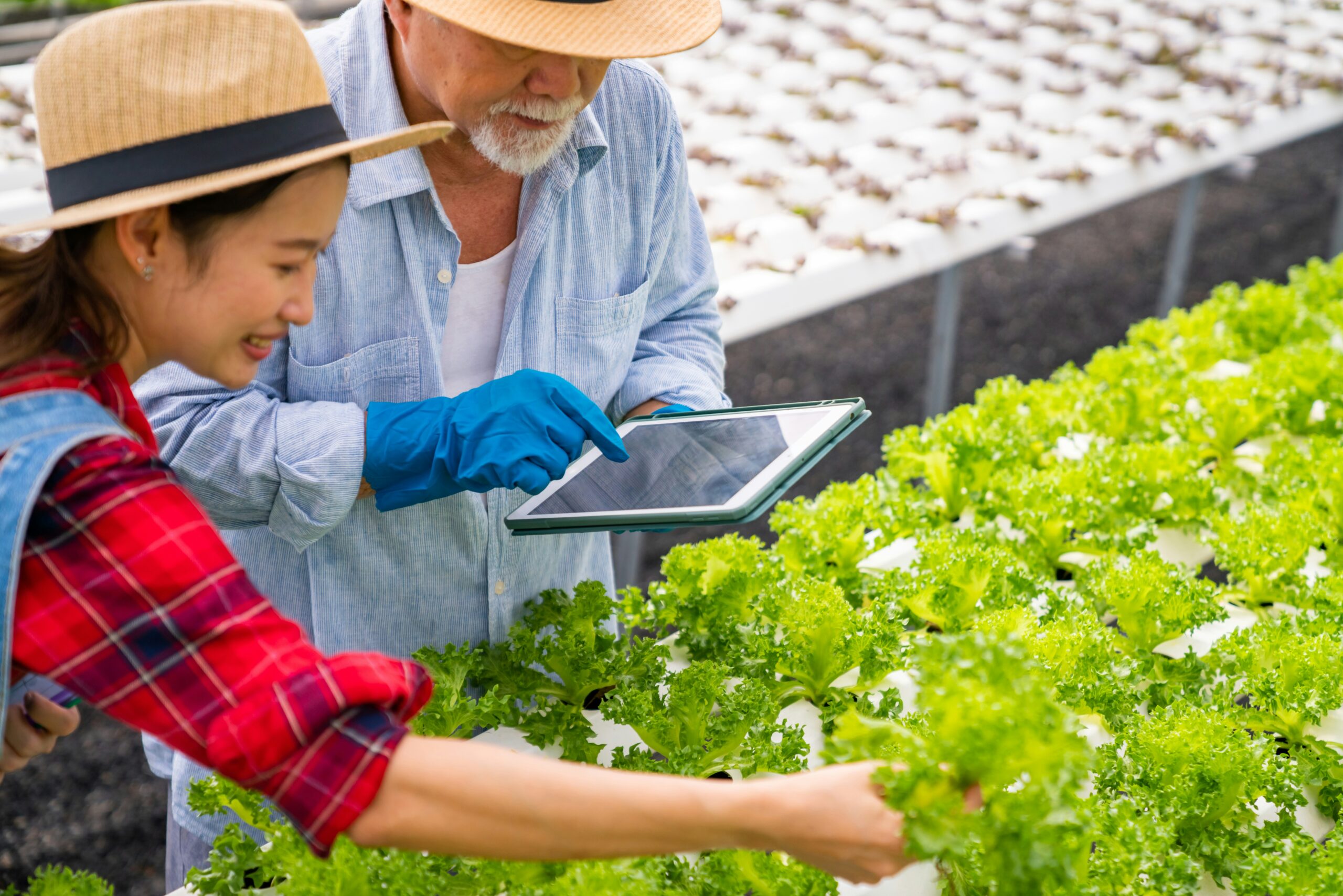
Agriculture has entered a new era. Farms are no longer fields with crops and livestock. Today, technology touches nearly every part of farming. Sensors, drones, and digital platforms allow farmers to see their fields in ways they never could before. This shift is making farming more efficient, productive, and sustainable.
Smart technology is not replacing farmers. It is giving them the tools to make better decisions. By collecting and analyzing data, farmers can manage crops and resources with more accuracy. This leads to higher yields, reduced waste, and healthier soil. Modern agriculture is becoming a science of precision, backed by technology that works alongside experience.
Precision Agriculture Improves Efficiency
Precision agriculture is changing how farmers manage their land. Sensors measure soil moisture, temperature, and nutrient levels. This information allows farmers to give each part of a field exactly what it needs. Crops get the right amount of water and fertilizer at the right time. This improves growth while saving resources.
Farmers can also track crop development over the season. Data from fields helps them spot problems early. They can adjust irrigation, fertilization, or planting schedules to match real conditions. By acting quickly, they prevent small issues from becoming major problems. Precision agriculture turns information into action, ensuring more productive fields.
Drones Give a New Perspective
Drones have become a common sight in modern farming. They fly over fields and capture high-resolution images of crop health, soil conditions, and water distribution. Farmers can see patterns that are invisible from the ground. This perspective allows them to target areas that need attention.
Drone images also help farmers quickly monitor large areas. Instead of walking the entire field, they can assess conditions in minutes. This saves time and reduces labor. By combining aerial images with other field data, farmers can make more precise decisions and keep crops in peak condition.
Smart Irrigation Conserves Water
Water is one of the most important resources for farming. Smart irrigation systems use sensors to monitor soil moisture and weather conditions. These systems deliver water exactly where it is needed. Crops get enough hydration without overwatering, which protects both plants and soil.
Farmers can also manage irrigation remotely. Mobile apps or online platforms allow them to adjust schedules in real time. This flexibility ensures crops remain healthy even during dry spells. Smart irrigation reduces water waste and helps farms operate more efficiently.
Robotics Streamline Farm Work
Automation is becoming essential on modern farms. Robots can plant seeds, spray crops, and harvest produce with precision. These machines reduce the need for manual labor and increase efficiency. Tasks that once took days can now be completed in hours.
Robotics also improves consistency. Machines perform repetitive actions accurately every time. This reduces mistakes and improves crop quality. With labor shortages affecting many regions, robotics ensures farms continue to operate at high capacity without compromising results.
Artificial Intelligence Guides Decisions
Artificial intelligence is transforming how farmers make choices. AI analyzes data from sensors, drones, and weather reports. It can identify trends and predict outcomes. Farmers can use these insights to decide when to plant, irrigate, or harvest.
AI also helps prevent crop loss. By predicting disease or pest outbreaks, farmers can act early. They can apply treatments only where necessary, saving time and reducing chemical use. This proactive approach improves crop health and boosts productivity.
Soil Monitoring Protects Productivity
Healthy soil is the foundation of farming. Sensors track nutrient levels, pH balance, and moisture content. This information allows farmers to maintain soil health over time. They can make adjustments that improve growth while reducing environmental impact.
By continuously monitoring soil, farmers prevent problems before they start. They can manage fertilizers and water more effectively and plan crop rotations that keep the soil fertile. Digital soil monitoring ensures that farms remain productive year after year.
Sustainability Benefits from Technology
Technology also supports sustainable farming. Precision applications reduce chemical overuse. Smart irrigation conserves water. Robotics and AI reduce labor needs while increasing efficiency. These tools help farmers grow more food without harming the environment.
Sustainable practices are easier to implement with data. Farmers can track progress and see the impact of their decisions. Soil, water, and energy are used responsibly. Digital farming is helping the agriculture sector meet growing demand while protecting the planet.
The Future of Digital Agriculture
The future of farming will be driven by technology. New tools will make it easier to monitor fields, manage resources, and predict outcomes. Internet of Things devices, advanced analytics, and machine learning will become standard in farm operations.
Farmers who adopt smart technologies will be more resilient. They will face challenges such as climate change, population growth, and resource limitations with better tools and more information. Digital fields are no longer a vision of the future; they are the reality of modern agriculture, helping farmers grow more efficiently and sustainably.