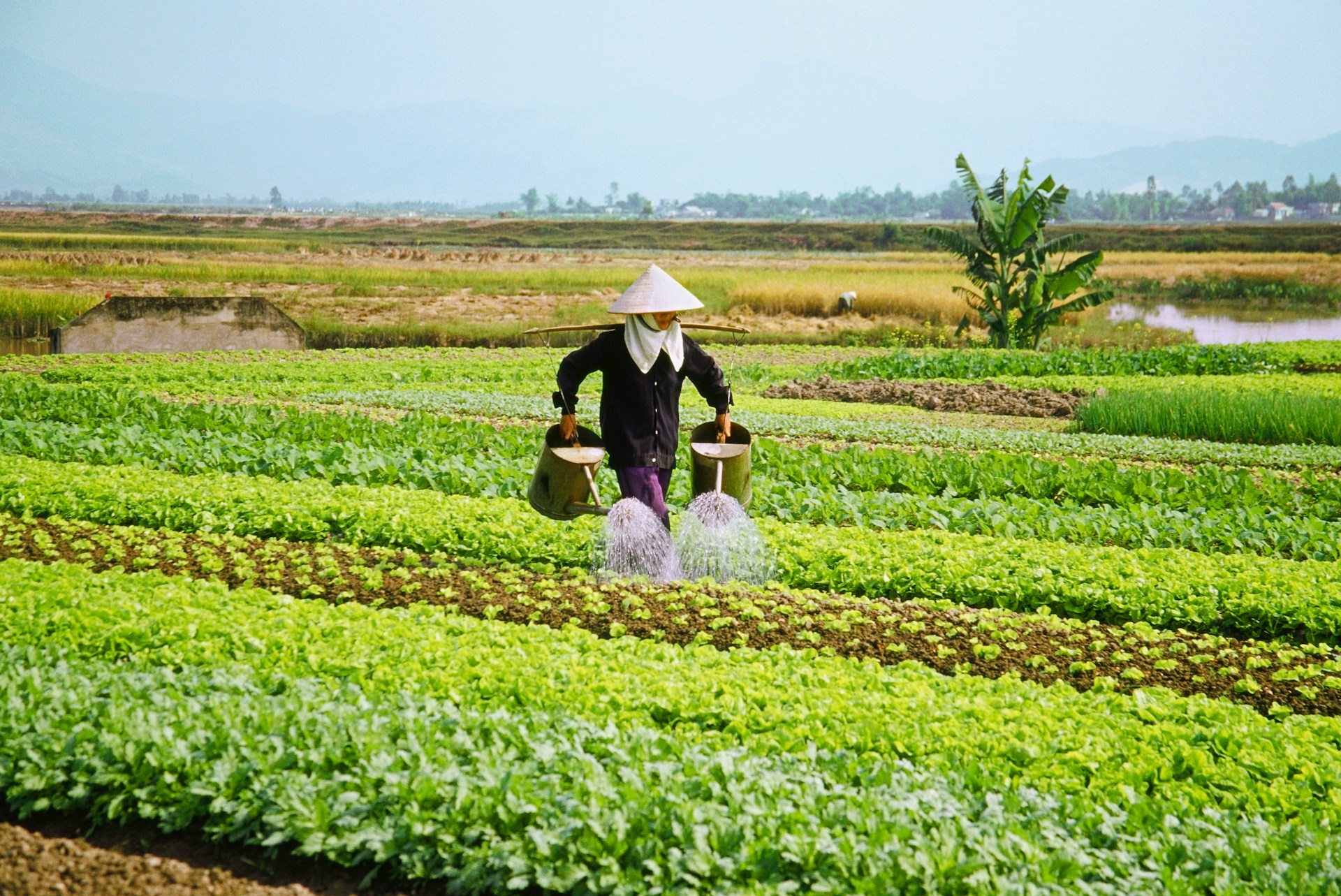
Modern farming depends on more than growing healthy crops. Farmers must also manage rising costs, changing weather, soil damage, water shortages, and shifting market needs. Because of these challenges, long-term success requires careful planning. One practical solution is resource-efficient agriculture, which helps farmers reduce waste, protect natural resources, and maintain steady production without making farming more complicated than it needs to be.
Sustainable farming does not require an overnight transformation. Instead, small and steady improvements can create strong results over time. Better soil care, smarter irrigation, crop diversity, useful technology, and sound financial planning can all help farms stay productive. Moreover, these strategies can protect the land for future generations.
Improve Soil Health Naturally
Healthy soil supports every part of crop production. It holds water, stores nutrients, and gives roots space to grow. Therefore, farmers should protect soil as one of their most valuable resources. Regular soil testing can show nutrient levels and help growers avoid unnecessary fertilizer use.
Cover crops can also improve soil quality. Farmers can plant grasses, legumes, or other crops between growing seasons to reduce erosion and build organic matter. In addition, compost can improve soil structure and moisture storage. Crop rotation also helps because different plants use nutrients in different ways.
Reducing heavy tillage may provide another benefit. Frequent tilling can weaken soil structure and increase erosion. By using minimum-till or no-till methods, farmers can keep more plant material on the surface and protect the ground from wind and rain.
Use Water More Carefully
Water management plays a major role in farm sustainability. Farmers often lose water through evaporation, runoff, leaks, and poor irrigation timing. Therefore, better irrigation methods can save both water and money.
Drip irrigation sends water directly toward plant roots. As a result, less water evaporates before crops can use it. Farmers can also use soil moisture sensors to decide when irrigation is truly necessary. In addition, weather forecasts can help prevent watering just before rainfall.
Rainwater storage can provide another useful option where local rules allow it. Farm ponds, tanks, and collection systems may provide backup supplies during dry periods. Meanwhile, grass strips and planted areas can slow runoff and help water soak into the soil.
Diversify Crops to Lower Risk
Farmers who rely on only one crop may face serious problems when prices fall or extreme weather strikes. Therefore, crop diversity can reduce financial and production risks.
Different crops respond differently to heat, drought, pests, and disease. For example, one crop may struggle during a dry year while another performs well. Consequently, growing several crops can help create more stable income.
Crop diversity can also support healthier soil. Legumes may add nitrogen, while deep-rooted crops can improve soil structure. However, farmers should study local demand before introducing unfamiliar crops. A new product only adds value if buyers want it.
Reduce Waste From Farm Inputs
Fertilizer, fuel, seeds, pesticides, and feed can quickly increase farm expenses. Therefore, farmers should focus on using inputs efficiently instead of simply using more.
Precision tools can help prevent overlap when applying fertilizer or crop treatments. GPS systems, field maps, and simple recordkeeping can show where resources go. As a result, farmers may reduce waste while maintaining strong yields.
A farm can also benefit from regenerative crop systems that combine crop rotation, compost, natural pest control, and careful soil management. These methods can reduce dependence on costly inputs while helping fields remain productive.
Regular equipment maintenance also matters. Fixing leaks, replacing filters, and keeping tractors in good condition can reduce fuel and water waste. Although these steps seem small, they can create meaningful savings throughout the year.
Choose Technology With Purpose
New farming technology can improve decision-making, but farmers should choose tools carefully. Expensive systems do not always create better results. Instead, technology should solve a clear problem.
For example, soil sensors can improve irrigation decisions. Satellite images may help identify weak crop areas, while farm software can track costs and yields. Therefore, technology works best when it provides useful information that farmers can act on.
Simple systems often work better than complicated ones. Farmers should choose tools that match their farm size, budget, and skills. In addition, they should review whether each tool actually saves time or money before investing further.
Support Wildlife and Natural Balance
Farms depend on natural systems. Pollinators, birds, insects, microorganisms, and native plants all contribute to a healthier environment. Therefore, supporting biodiversity can improve long-term farm resilience.
Farmers can plant flowers or native vegetation near field edges to provide food and shelter for pollinators. Similarly, hedgerows may create habitat for beneficial insects and birds that help control pests.
Vegetated buffer zones near streams can also reduce soil and nutrient runoff. In addition, unused corners and difficult field areas can support native plants without reducing valuable production space. These small changes can protect local ecosystems while supporting agriculture.
Strengthen Financial Planning
Environmental sustainability becomes difficult without financial stability. Therefore, farmers need clear budgets, production records, and long-term investment plans.
Detailed records can show which crops earn the strongest returns and which areas cost too much to maintain. Moreover, careful budgeting helps farms prepare for changes in fuel, fertilizer, labor, and seed prices.
Farmers can also explore different sales channels. Direct sales, local partnerships, specialty crops, and value-added products may provide additional income. However, farmers should study demand before investing heavily in a new market.
Large purchases also require careful planning. New equipment, irrigation systems, storage facilities, or renewable energy projects may improve efficiency, but the expected savings should justify the cost.
Prepare Farms for the Next Generation
A farm’s future depends on more than land and equipment. Knowledge, leadership, and planning also matter. For this reason, long-term farm resilience should include training, clear responsibilities, and future ownership plans. Farmers can teach younger family members or employees how to manage crops, equipment, finances, and daily operations.
Sustainable farming works best when farmers continue learning while protecting what already works. They can attend workshops, test new methods on a small scale, and learn from other growers. At the same time, they should avoid chasing every new trend. By combining smart planning, healthy soil, efficient water use, financial care, and practical innovation, farms can remain productive for many years.