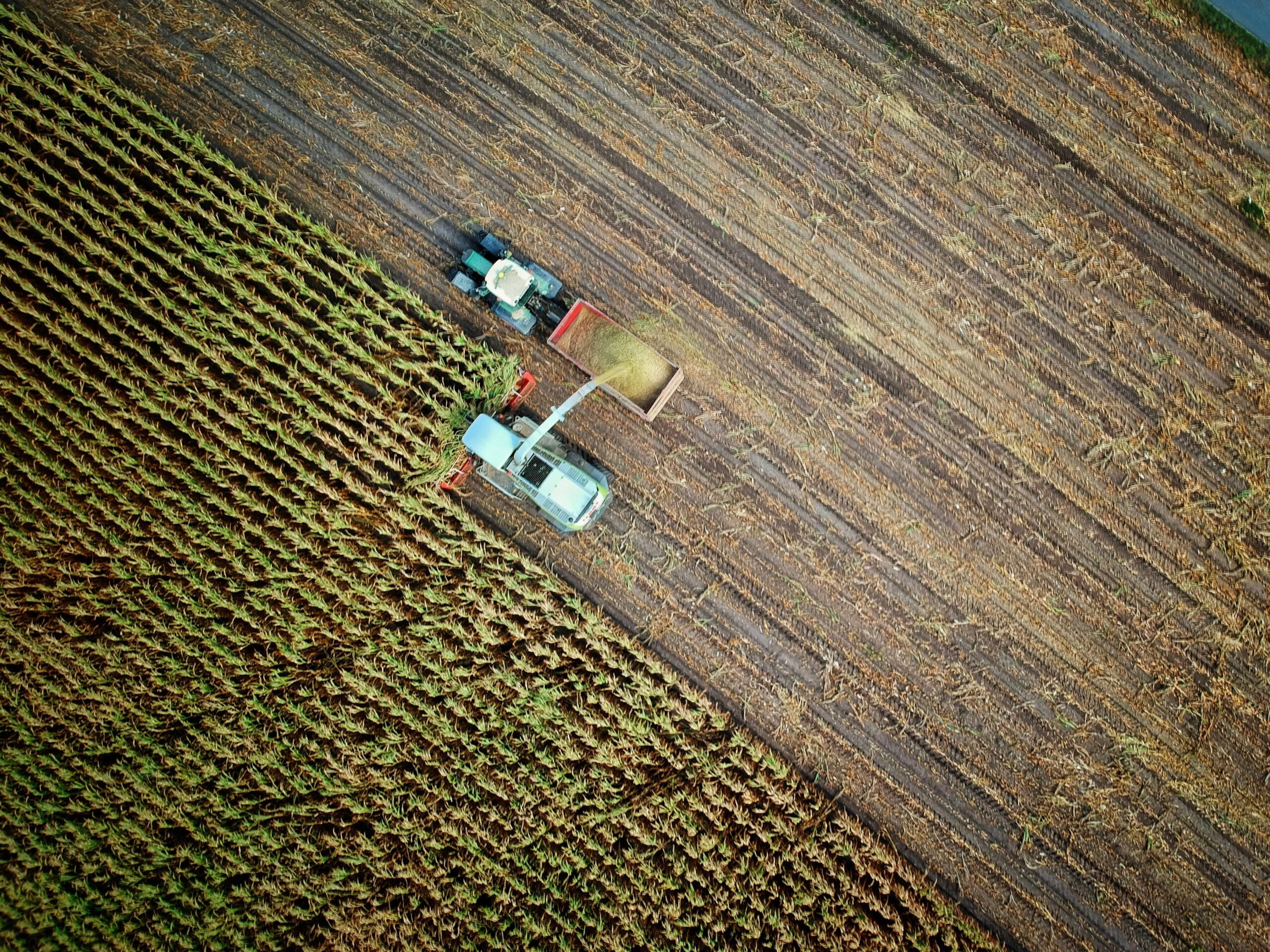
Tech-driven agriculture is reshaping how food is grown, monitored, and harvested. Farming is no longer guided only by weather patterns, soil feel, or long-standing experience. Today, data plays a central role in helping growers make smarter choices in real time. This shift is creating a more efficient and responsive way to manage crops, reduce waste, and improve yields. Modern farming now blends traditional knowledge with digital tools. Fields are becoming connected environments where information flows from soil to cloud platforms. This transformation is not just about convenience. It is about building a system where every decision is backed by accurate and timely insights, helping farmers respond quickly to changing conditions.
How Data Became the New Farming Tool
Data has become one of the most valuable resources in agriculture. Instead of relying only on visual inspection, farmers now collect detailed information about soil moisture, nutrient levels, temperature changes, and crop health. This information is gathered continuously and stored for analysis.
The use of agricultural data helps identify patterns that are not visible to the human eye. For example, subtle changes in soil conditions can indicate when crops need water or nutrients long before visible stress appears. By using this data, farmers can act early, which improves crop performance and reduces unnecessary resource use.
This shift toward data-based farming also supports long-term planning. Historical records help predict future outcomes, making it easier to prepare for seasonal changes and unexpected weather events.
Sensors, Drones, and Connected Fields
One of the most important parts of smart farming technology is the use of sensors placed directly in the soil and across fields. These devices continuously measure environmental conditions and send updates to digital platforms. This real-time feedback allows for quick adjustments in irrigation and fertilization.
Drones also play a major role in modern agriculture. They capture detailed aerial images that show crop health across large areas. These images can reveal issues such as pest damage, irrigation problems, or nutrient deficiencies that may not be visible from the ground.
Connected farming systems bring all this information together in one place. Through cloud-based platforms, farmers can view field conditions from a computer or mobile device. This level of access makes farm management more precise and less dependent on guesswork.
Precision Agriculture and Smarter Decisions
Precision agriculture is one of the most important outcomes of tech-driven farming. It focuses on using the exact amount of resources needed for each part of a field instead of applying the same treatment everywhere. This approach reduces waste and increases efficiency.
With accurate data, farmers can decide when and where to water, fertilize, or harvest crops. This improves productivity while also protecting soil health over time. It also reduces costs because fewer resources are wasted on areas that do not need them.
Smart farming systems also support better decision-making during uncertain conditions. When weather patterns change quickly, real-time updates help farmers adjust their strategies without delay. This flexibility is becoming essential in modern agriculture.
The Role of AI in Crop Management
Artificial intelligence is becoming a powerful tool in agriculture. It analyzes large amounts of data collected from fields, sensors, and weather systems. By processing this information, AI can identify trends and provide useful predictions about crop growth and potential risks.
Machine learning models help detect early signs of disease or pest infestations. This allows farmers to take action before problems spread widely across fields. AI also helps optimize planting schedules, ensuring crops are grown at the best possible time for maximum yield.
Over time, these systems become more accurate as they learn from new data. This continuous improvement makes AI an important part of long-term farm management strategies.
Challenges in Tech-Driven Farming
Despite its benefits, tech-driven agriculture comes with challenges. The cost of advanced tools and systems can be high, making it difficult for smaller farms to adopt them quickly. Reliable internet access is also needed for many digital farming platforms, which are not always available in rural areas.
There is also a learning curve involved in using new technologies. Farmers must understand how to interpret data and use digital tools effectively. Without proper training, the full potential of smart farming may not be reached.
Even with these challenges, adoption continues to grow as technology becomes more affordable and user-friendly.
A Future Where Data and Soil Work Together
Agriculture is moving toward a future where data and soil work side by side. Fields are becoming intelligent environments that respond to real-time conditions. This combination of technology and farming knowledge is creating a more sustainable and productive system.
As innovation continues, tech-driven agriculture will likely become even more integrated into everyday farming practices. The connection between digital insights and natural growth will continue to strengthen, shaping how food is produced for years to come.