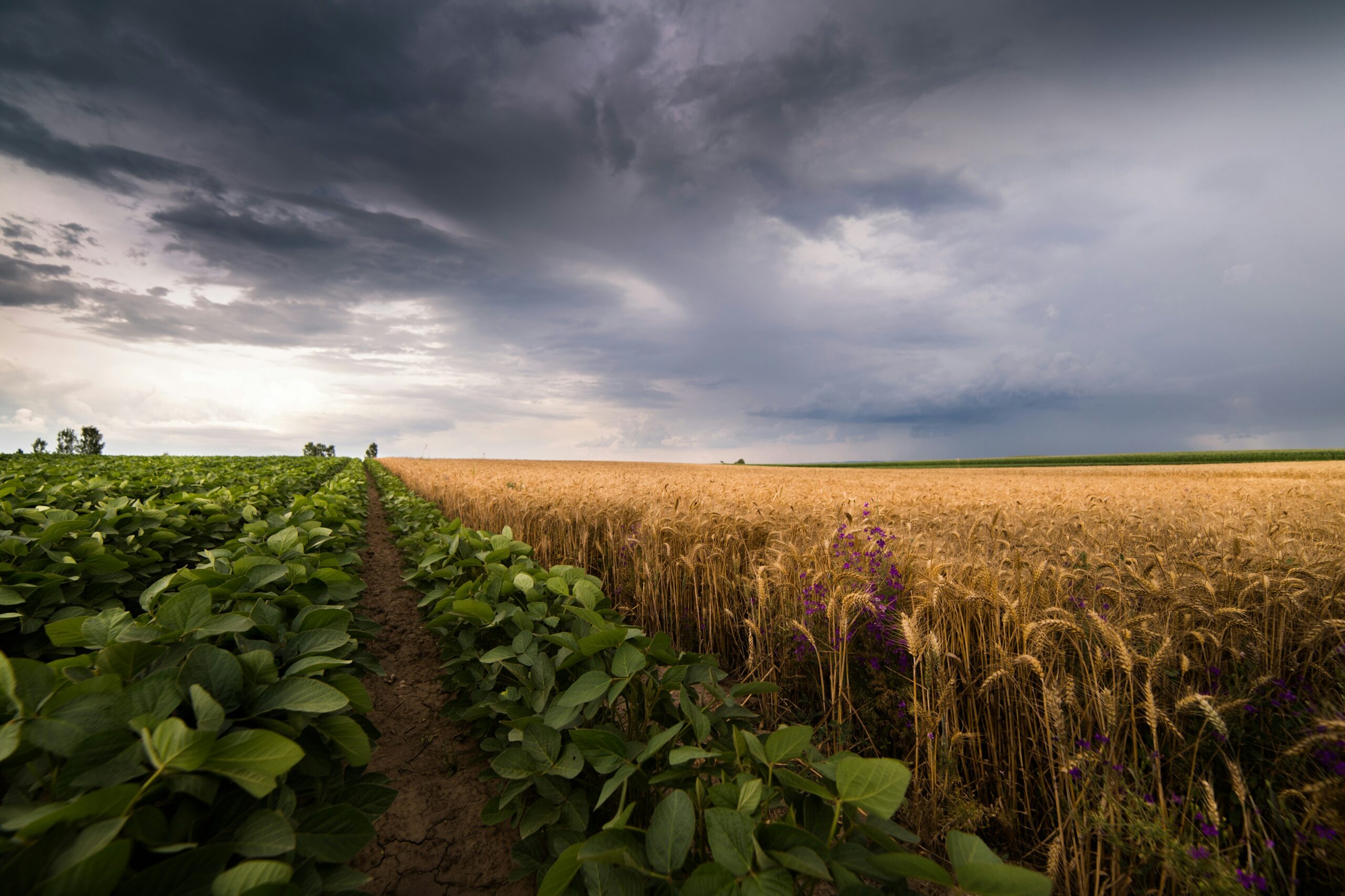
Climate change is reshaping agriculture worldwide. Farmers now face longer droughts, heavier rains, warmer winters, and sudden storms. These shifts disrupt planting seasons and reduce yields. They also increase costs and uncertainty. To stay productive, farmers must adapt their methods and think long-term.
Sustainable farming offers practical solutions. It focuses on protecting soil, water, and biodiversity while maintaining steady production. These strategies do not rely on complex systems. Instead, they build strong foundations that help farms endure stress. With thoughtful planning and consistent effort, farmers can grow food while caring for the land.
Building Healthy Soil for Long-Term Strength
Healthy soil forms the base of sustainable agriculture. When soil contains rich organic matter, it holds water during dry spells and drains well during heavy rain. Strong soil also supports deep roots and steady plant growth. This balance helps crops survive heat waves and sudden weather shifts.
Farmers improve soil by planting cover crops and adding compost. They reduce heavy tillage that breaks down soil structure. These simple actions protect beneficial microbes and increase the availability of natural nutrients. Over time, soil becomes more stable and productive. A farm with healthy soil can better handle a changing climate.
Managing Water with Care and Precision
Water patterns are less predictable than before. Some regions face drought, while others deal with intense rainfall. Sustainable farming depends on careful water use. Farmers must conserve water during dry periods and prevent runoff during storms.
Drip irrigation systems deliver water directly to plant roots. This method reduces waste and improves crop health. Rainwater collection systems also provide backup during dry months. At the same time, proper drainage protects fields from flooding. When farmers treat water as a limited resource, they create resilience and reduce risk.
Diversifying Crops to Reduce Risk
Growing a single crop leaves farms vulnerable. If extreme weather harms that crop, the entire harvest may suffer. Diverse farms spread risk across different plants. Each crop responds differently to heat, moisture, and pests. This variety increases the chance of a stable income.
Crop rotation also improves soil health. Different plants add or use nutrients in unique ways. Rotating crops breaks pest cycles and reduces disease pressure. Farmers who diversify their fields create stronger ecosystems. These systems support growth even under stress.
Protecting Biodiversity on the Farm
Biodiversity strengthens farm resilience. A variety of plants, insects, and animals creates balance. Beneficial insects control pests naturally. Pollinators improve fruit and vegetable production. Healthy ecosystems support long-term productivity.
Farmers can plant hedgerows and maintain natural habitats around fields. These spaces provide shelter for birds and insects. They also reduce wind damage and soil erosion. By encouraging biodiversity, farmers reduce dependence on chemicals and create a more stable environment.
Using Technology to Make Better Decisions
Modern tools help farmers respond quickly to climate shifts. Soil sensors measure moisture levels. Weather tracking apps provide accurate forecasts. These tools guide irrigation and planting decisions. Farmers can adjust plans based on real data.
Technology also improves efficiency. Farmers can apply fertilizer only where needed. This reduces waste and protects nearby water sources. With better information, farms use fewer resources and produce steady yields. Smart technology supports sustainable growth without harming the land.
Choosing Climate-Resilient Crops and Livestock
Some crops handle heat and drought better than others. Farmers who select climate-tolerant varieties reduce their risk. These plants maintain yields even in tough conditions. Careful seed selection plays a key role in long-term stability.
Livestock management also matters. Farmers can choose breeds that adapt well to warmer temperatures. Providing shade and fresh water protects animal health. Healthy animals produce better results and require fewer medical treatments. Strong livestock systems support overall farm resilience.
Reducing Waste and Saving Energy
Sustainable farms aim to lower waste and improve energy use. Composting plant residues returns nutrients to the soil. This reduces the need for synthetic fertilizers. Recycling farm waste also lowers costs and supports natural cycles.
Renewable energy systems, such as solar panels, reduce fuel costs. Energy-efficient equipment lowers emissions and improves long-term savings. When farms reduce waste and conserve energy, they strengthen financial stability. These steps also protect the environment for future generations.
Strengthening Community and Knowledge Sharing
Farmers benefit from shared knowledge. Local networks and extension services guide new practices. Community support encourages innovation and builds confidence. When farmers learn from one another, they adapt more quickly.
Strong communities also improve food security. Local markets create stable demand for farm products. This stability supports income even during uncertain seasons. Collaboration builds resilience that extends beyond individual farms.
Planning for Financial Stability
Climate change brings economic risk. Farmers must plan carefully to protect their income. Diversifying markets and maintaining savings provide security during poor harvests. Crop insurance can also help reduce financial stress.
Good planning supports long-term investment. Farmers who manage costs wisely can invest in soil health and efficient systems. Financial stability enables them to focus on sustainable growth rather than short-term survival. Careful management builds confidence and reduces uncertainty.
Looking Toward a Resilient Future
Sustainable farming strategies offer practical solutions for a changing climate. By improving soil health, managing water carefully, diversifying crops, and protecting biodiversity, farmers build strong foundations. Technology, smart crop selection, and energy efficiency add further strength.
Climate change will continue to challenge agriculture. Yet farmers who act with purpose and care can thrive. Sustainable practices protect the land while ensuring reliable food production. With steady effort and thoughtful planning, farms can remain productive and resilient for generations to come.