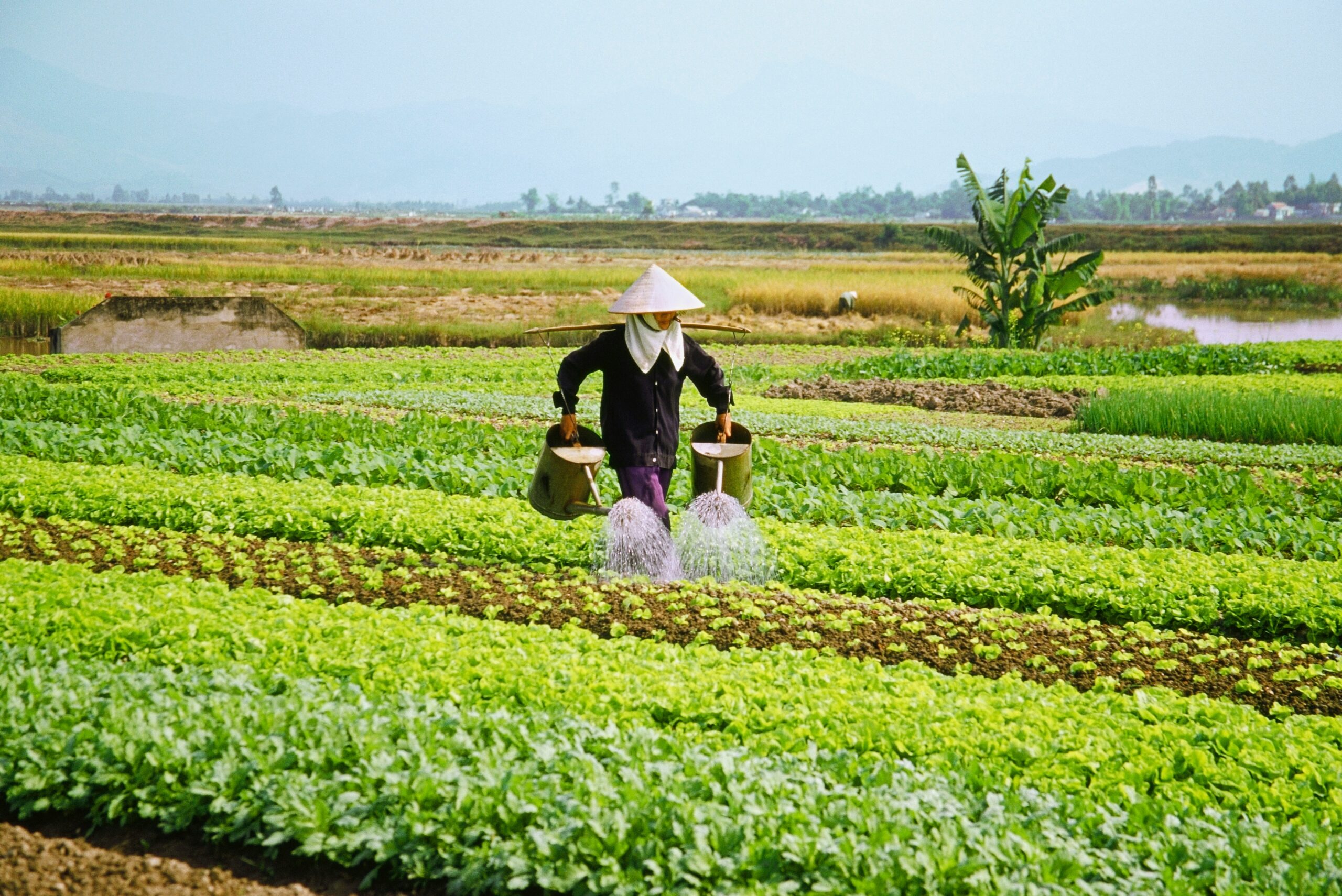
Agriculture is shifting quickly as climate patterns change, populations grow, and food demand rises worldwide. Farmers now face pressure to produce more while using fewer resources. Moreover, they must adapt to unpredictable weather, rising input costs, and shrinking arable land. As a result, traditional farming methods alone no longer solve modern challenges.
At the same time, technology and sustainability practices are reshaping how food is grown. Farmers now combine data tools with soil knowledge to improve efficiency. In addition, governments and private organizations push for greener farming systems. Therefore, sustainable agriculture has become a practical necessity rather than an optional approach.
What Sustainable Farming Really Means Today
Sustainable farming focuses on producing food while protecting the environment and supporting long-term soil health. It balances productivity with conservation so future generations can also grow food successfully. Moreover, it reduces harm to ecosystems by limiting waste and improving resource use.
In addition, sustainable farming encourages smarter decisions in every stage of production. Farmers choose methods that conserve water, reduce chemical use, and protect biodiversity. Consequently, farms become more resilient over time. This approach also supports economic stability it reducing dependence on expensive inputs.
Smarter Soil Management for Long-Term Productivity
Healthy soil remains the foundation of all successful farming systems. Without it, crop yields decline, and farming becomes less reliable. Therefore, farmers now focus on improving soil structure, nutrients, and microbial activity.
At the same time, modern tools help farmers understand soil conditions in real time. Sensors track moisture and nutrient levels, which allows precise adjustments. Moreover, farmers use crop rotation and cover crops to naturally restore soil fertility. As a result, soil becomes more productive while requiring fewer chemical inputs.
Water Efficiency and Smart Irrigation Systems
Water scarcity affects many regions, so farmers must use water more carefully than before. Smart irrigation systems now help reduce waste and improve crop growth. These systems deliver water based on soil conditions and weather forecasts.
In addition, farmers monitor water use through digital tools that provide real-time updates. This helps them avoid overwatering or underwatering crops. Consequently, farms save water while maintaining strong yields. Moreover, efficient irrigation reduces long-term costs and supports environmental protection.
Technology Driving Smarter Farming Decisions
Technology plays a major role in sustainable farming it improving decision-making and reducing uncertainty. Farmers now use GPS mapping, drones, and sensors to monitor crop health and field conditions. Moreover, this data helps them respond quickly to problems.
At the same time, software platforms combine information from different sources into simple dashboards. Farmers can track weather, soil health, and crop performance in one place. Therefore, they make faster and more accurate decisions. In addition, technology reduces guesswork and improves overall farm efficiency.
Climate Challenges and Adaptive Farming Methods
Climate change creates serious challenges for agriculture, including droughts, floods, and shifting growing seasons. Farmers must now adjust quickly to survive these changes. Moreover, they need strategies that protect crops from extreme weather.
At the same time, adaptive farming methods help reduce climate risks. Farmers plant drought-resistant crops and adjust planting schedules based on weather forecasts. Consequently, they reduce crop losses and improve stability. In addition, climate-smart farming supports long-term food security in uncertain environments.
Reducing Chemical Use Through Natural Practices
Many farms now aim to reduce the use of chemical fertilizers and pesticides due to environmental concerns. Instead, they use natural alternatives that protect crops while preserving soil health. For example, composting and organic fertilizers improve soil without harmful side effects.
In addition, integrated pest management helps control pests without heavy reliance on chemical pesticides. Farmers combine natural predators, crop rotation, and targeted treatments. Therefore, they maintain crop health while reducing environmental damage. Moreover, these practices improve long-term soil fertility and ecosystem balance.
Sustainable Energy Use on Farms
Energy use is another important part of sustainable farming. Many farms now adopt renewable energy sources like solar and wind power. These systems help reduce reliance on fossil fuels and lower operational costs.
At the same time, energy-efficient machinery reduces fuel consumption during planting and harvesting. Farmers also use smart systems to manage energy use more effectively. Consequently, farms become more cost-efficient and environmentally friendly. In addition, renewable energy supports long-term sustainability goals.
Building Stronger and Smarter Supply Chains
Sustainable farming does not end in the field because supply chains also play a key role. Farmers now use digital tracking systems to follow products from farm to market. Moreover, this improves transparency and reduces waste.
At the same time, better logistics help deliver fresh food faster and more efficiently. Farmers and distributors coordinate more closely using real-time data. Therefore, food reaches consumers in better condition. In addition, efficient supply chains reduce environmental impact by lowering transportation waste.
The Role of Farmers in a Smarter Future
Farmers today play a more complex role than ever before. They are not only growers but also data users, planners, and sustainability managers. Moreover, they must understand both traditional farming and modern technology.
At the same time, training and education help farmers adapt to new tools and methods. Many farmers now attend workshops or use online learning platforms. Consequently, they stay up to date with the latest sustainable practices. In addition, knowledge sharing between farmers helps improve global agricultural systems.
Economic Benefits of Sustainable Farming
Sustainable farming is not only good for the environment but also for business stability. Farmers save money by reducing chemical inputs and improving resource efficiency. Moreover, healthier soil leads to more consistent yields over time.
At the same time, sustainable products often have a higher market value because consumers prefer eco-friendly food. Farmers can also reduce risks caused by climate and input price changes. Therefore, sustainable practices improve both short-term savings and long-term profitability. In addition, financial stability encourages more farmers to adopt greener methods.
The Future of Sustainable Agriculture
The future of farming depends on how well farmers combine innovation with environmental care. Technology will continue to improve efficiency and reduce waste. Moreover, global demand for food will continue to rise, so smarter farming becomes essential.
At the same time, sustainable practices will become standard rather than optional. Farmers will rely more on data, automation, and climate forecasting tools. Consequently, agriculture will become more resilient and productive. In addition, sustainable farming will help secure food supplies for future generations while protecting natural resources.
Growing smarter means farming with both technology and nature in mind. Farmers who adopt sustainable practices protect their land, improve yields, and strengthen long-term stability. Moreover, they help build a food system that can withstand environmental and economic challenges. As a result, sustainable farming becomes the key to a healthier and more secure future.