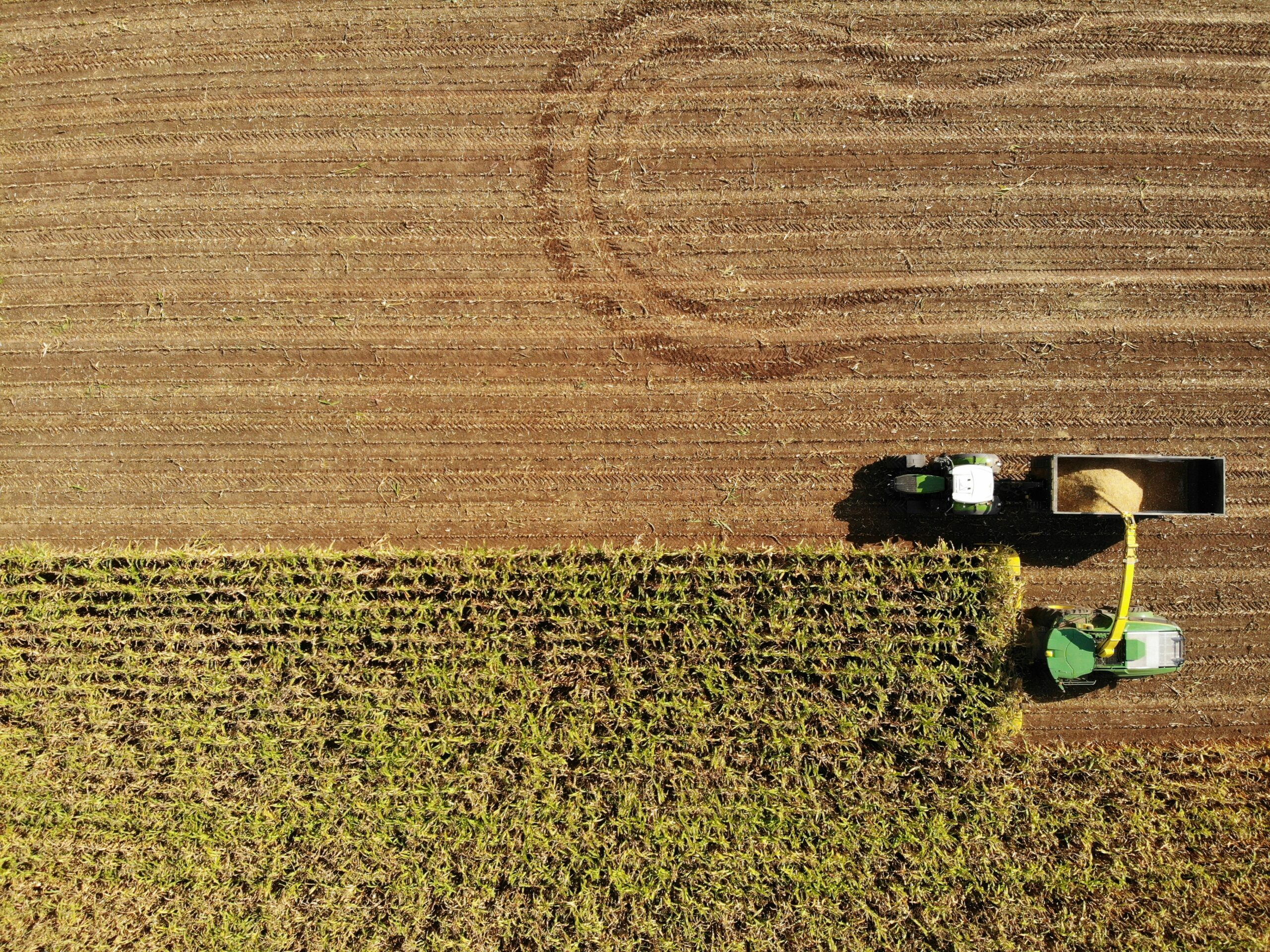
Agriculture has entered an era of rapid technological change. Farmers face growing challenges from unpredictable weather, shrinking resources, and rising global food demand. Traditional farming practices alone cannot meet these pressures. To thrive, farmers must integrate technology into every aspect of their operations. Smart tools, data-driven insights, and advanced machinery now allow farms to operate with precision and efficiency. By embracing innovation, farms can increase productivity, reduce waste, and build long-term resilience in a changing world.
Precision Agriculture Optimizes Growth
Precision agriculture is at the heart of modern farming. Farmers use sensors, GPS mapping, and satellite imaging to monitor soil conditions, moisture levels, and crop health in real time. This data enables them to apply water, fertilizers, and pesticides exactly where they are needed. As a result, resources are used efficiently, costs are reduced, and crop yields improve. Moreover, precision tools detect problems early, from nutrient deficiencies to pest infestations, allowing timely interventions that prevent larger losses. This targeted approach ensures healthy crops and maximizes productivity throughout the growing season.
Robotics and Automation Streamline Operations
Automation is transforming daily farm activities. Robots handle repetitive tasks such as planting, irrigation, and harvesting with speed and accuracy. Drones provide aerial views of fields, highlighting patterns in soil, water distribution, and plant growth that are invisible from the ground. Automated equipment reduces labor costs and human error while maintaining consistent performance. By adopting robotics, farms operate more efficiently, freeing farmers to focus on strategic decisions that improve both yields and sustainability.
Data-Driven Decisions for Better Outcomes
Data collection and analysis have become essential for successful farming. Farmers track soil composition, crop performance, and weather patterns to make informed decisions about planting schedules, irrigation, and resource allocation. Predictive analytics help anticipate challenges such as droughts, disease outbreaks, or nutrient deficiencies. By using data proactively, farmers optimize crop growth and enhance overall profitability. Data-driven decision-making transforms agriculture into a responsive, adaptable system that thrives in unpredictable conditions.
Maintaining Healthy Soil
Healthy soil underpins all agricultural productivity. Farmers use technology to monitor nutrient levels, moisture content, and soil structure. They implement practices such as cover cropping, minimal tillage, and organic amendments to maintain fertility. Healthy soil improves water retention, supports strong root systems, and encourages beneficial microorganisms. By monitoring and improving soil quality, farmers reduce the need for synthetic fertilizers while creating a stable foundation for long-term productivity. Soil becomes both a resource and a tool for sustainable growth.
Water Management and Conservation
Water scarcity is a growing challenge for farmers worldwide. Smart irrigation systems deliver water precisely to plant roots based on soil moisture readings and weather forecasts. This precision reduces waste and prevents overwatering, which protects both crops and local water resources. Additionally, rainwater harvesting and automated irrigation schedules support sustainable water use. Effective water management ensures crops thrive even in dry periods and strengthens the environmental sustainability of modern farms.
Reducing Environmental Impact
Technology enables farms to operate responsibly while maintaining high productivity. Farmers adopt renewable energy, minimize chemical use, and implement integrated pest management strategies. Crop rotation and biodiversity-enhancing practices protect ecosystems and promote soil fertility. By reducing environmental impact, farms maintain productivity without depleting natural resources. Responsible farming ensures that future generations inherit both fertile land and a stable agricultural system.
Building Crop Resilience
Resilient crops are essential in a world of changing climates and market pressures. Farmers develop plants that resist pests, tolerate drought, and perform well under variable conditions. They combine traditional breeding techniques with biotechnology to increase reliability and yield. Crop diversification spreads risk, ensuring production continues even when certain varieties face challenges. Innovative methods such as hydroponics and vertical farming extend growing capacity while maximizing space and efficiency. Resilient crops strengthen both food security and farm profitability.
Market Connectivity and Consumer Demand
Technology strengthens the link between farms, markets, and consumers. Digital platforms provide real-time market data, supply chain insights, and demand forecasting. Farmers use this information to plan production, optimize logistics, and reduce waste. Market connectivity allows farms to respond quickly to consumer trends and global demand while maintaining profitability. By linking technology with market intelligence, farmers create a system that benefits both producers and consumers while supporting local economies.
Collaboration and Knowledge Sharing
Collaboration accelerates progress in modern agriculture. Farmers, researchers, and policymakers share expertise to develop innovative solutions. Partnerships provide access to new technologies, training programs, and resources that enhance performance. Knowledge sharing ensures that successful practices spread quickly across regions, creating stronger, more resilient agricultural networks. By learning from each other, farmers improve efficiency, productivity, and sustainability across the sector.
Preparing for the Future of Farming
The future of agriculture depends on adaptability, innovation, and foresight. Emerging technologies will continue to reshape farms, making them more efficient and sustainable. Farmers must stay informed, experiment with new methods, and adopt data-driven strategies to thrive. Proactive planning ensures resilience against climate change, resource constraints, and market fluctuations. By embracing technology today, farms prepare for a productive, profitable, and sustainable tomorrow.
Transforming Agriculture Through Innovation
Technology is reshaping modern farming, turning soil into a smart, data-driven resource. Precision agriculture, automation, and analytics enhance efficiency while reducing waste and environmental impact. Maintaining healthy soil, conserving water, and cultivating resilient crops ensure long-term productivity. Connectivity, collaboration, and innovation strengthen the sector while meeting consumer demand. By embracing tech-driven agriculture, farmers secure a future where farms are more productive, sustainable, and profitable than ever before.