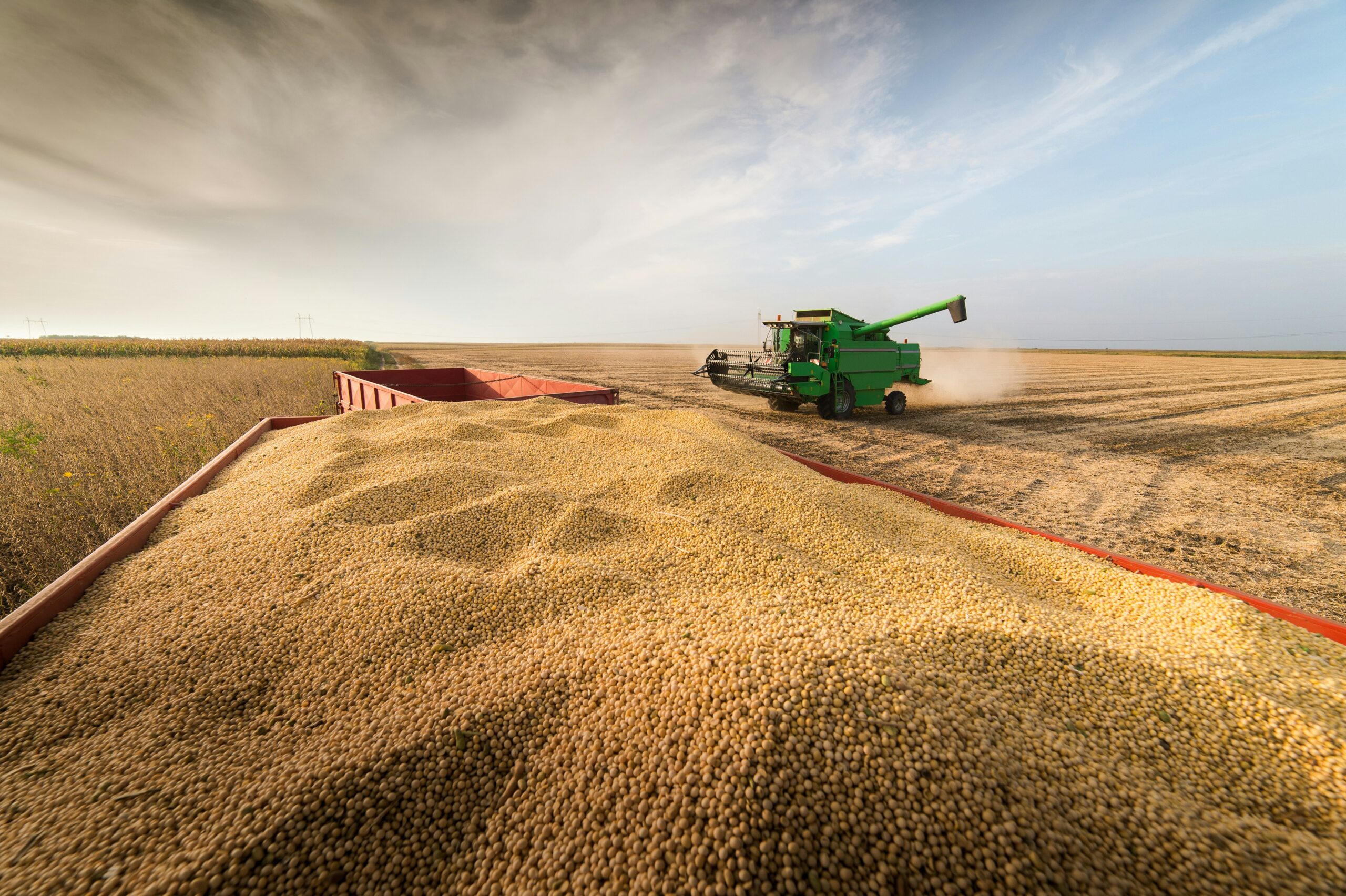
Grain storage is one of the most important steps in farming after harvest. A high yield can quickly lose value if not stored in the right conditions. Moisture, heat, and pests can quickly damage grain. That is why storage is not just a final step; it is part of the entire production process.
Modern grain storage solutions help farmers protect their harvest for longer periods. These methods focus on keeping grain safe, stable, and usable. With better systems and careful management, farmers can reduce loss and maintain quality. This provides greater security for both income and the food supply.
Understanding the Value of Proper Grain Storage
Grain continues to react even after harvest. It can absorb moisture from the air and respond to temperature changes. If it is not managed properly, it starts to lose quality. This is why storage conditions matter so much for long-term preservation.
Proper storage protects grain from damage and waste. It helps maintain weight, texture, and nutritional value. Good storage also reduces financial loss for farmers. When grain stays in good condition, it remains more valuable in the market.
Managing Moisture to Prevent Early Damage
Moisture is one of the biggest risks in grain storage. Even a small amount of extra water can lead to mold growth. Once mold starts, it spreads quickly and affects large amounts of grain. This makes moisture control a key priority after harvest.
Modern storage systems help keep moisture at safe levels. Farmers can dry grain before storage and continue monitoring it during storage. This steady control prevents spoilage and keeps the grain stable. It also helps maintain consistent quality over time.
Keeping Temperature Stable in Storage Areas
Temperature changes can affect grain in serious ways. When grain becomes too warm, it can create internal moisture and encourage pests. When it becomes too cold and warms up again, condensation can form. Both situations increase the risk of damage.
Modern storage solutions help reduce temperature changes. Proper building design and airflow systems help maintain steady conditions. This stability protects grain and slows down unwanted biological activity. As a result, grain stays fresher for longer.
Using Clean and Safe Storage Spaces
Clean storage is essential for protecting harvested grain. Dust, leftover grains, and dirt can attract pests and bacteria. These small problems can grow into major losses if not controlled early. Clean storage spaces help prevent these risks.
Regular cleaning before and after storage is important. Removing old residue and keeping storage areas sealed improves safety. Clean environments reduce contamination and support better grain quality. This simple step plays a big role in long-term preservation.
Protecting Grain from Pests and Contamination
Pests are a constant threat to stored grain. Insects and rodents can damage large amounts of grain in a short time. They also degrade the quality and render the grain unsafe for use. Preventing pest access is much easier than dealing with damage later.
Modern storage systems use strong seals and better building materials. These reduce entry points for pests. Regular inspection also helps detect early signs of infestation. Quick action prevents small problems from becoming serious losses.
Improving Airflow for Better Storage Conditions
Airflow plays an important role in grain preservation. Without proper airflow, heat and moisture can build up in storage areas. This creates uneven conditions that lead to spoilage. Good airflow helps balance temperature and moisture. With better practices and simple management, farmers can reduce loss and improve quality. Strong storage systems protect both income and food supply. In the end, long-term preservation depends on attention, consistency, and the right tools.
Modern systems use controlled ventilation to evenly distribute air. This keeps grain in a stable environment. It also reduces the risk of hot spots inside storage containers. Better airflow extends storage life and improves grain quality.
Monitoring Grain Conditions with Modern Tools
Technology now helps farmers track grain conditions more easily. Simple monitoring tools can measure moisture and temperature levels. This gives farmers a clear view of what is happening inside storage areas. It helps them act before problems grow.
Regular monitoring creates better control over storage conditions. Farmers can respond quickly to changes. This reduces losses and improves decision-making. With better information, storage becomes more reliable and efficient.
Reducing Waste Through Better Storage Practices
Waste often happens when grain is not stored correctly. Poor conditions lead to spoilage and reduce the usable supply. This affects both income and food availability. Reducing waste starts with better storage habits. Protecting the harvest is more than just storing grain in a safe place. It requires careful control of moisture, temperature, pests, and airflow. Each step plays a role in keeping grain usable and valuable. Modern storage solutions make this process more reliable and effective.
Modern grain storage practices focus on prevention. By controlling moisture, temperature, and pests, farmers reduce the chance of loss. Careful handling and regular checks also help maintain quality. These combined efforts lead to more efficient use of harvests.
Building Long-Term Stability in Grain Storage
Long-term storage requires planning and consistency. Farmers need systems that can protect grain for months or even years. This includes strong storage structures and proper maintenance. Without stability, grain quality can drop over time.
Modern solutions focus on durability and control. Well-designed storage systems reduce risk and improve performance. Regular maintenance also ensures long-term success. This helps farmers keep grain in good condition for extended periods.