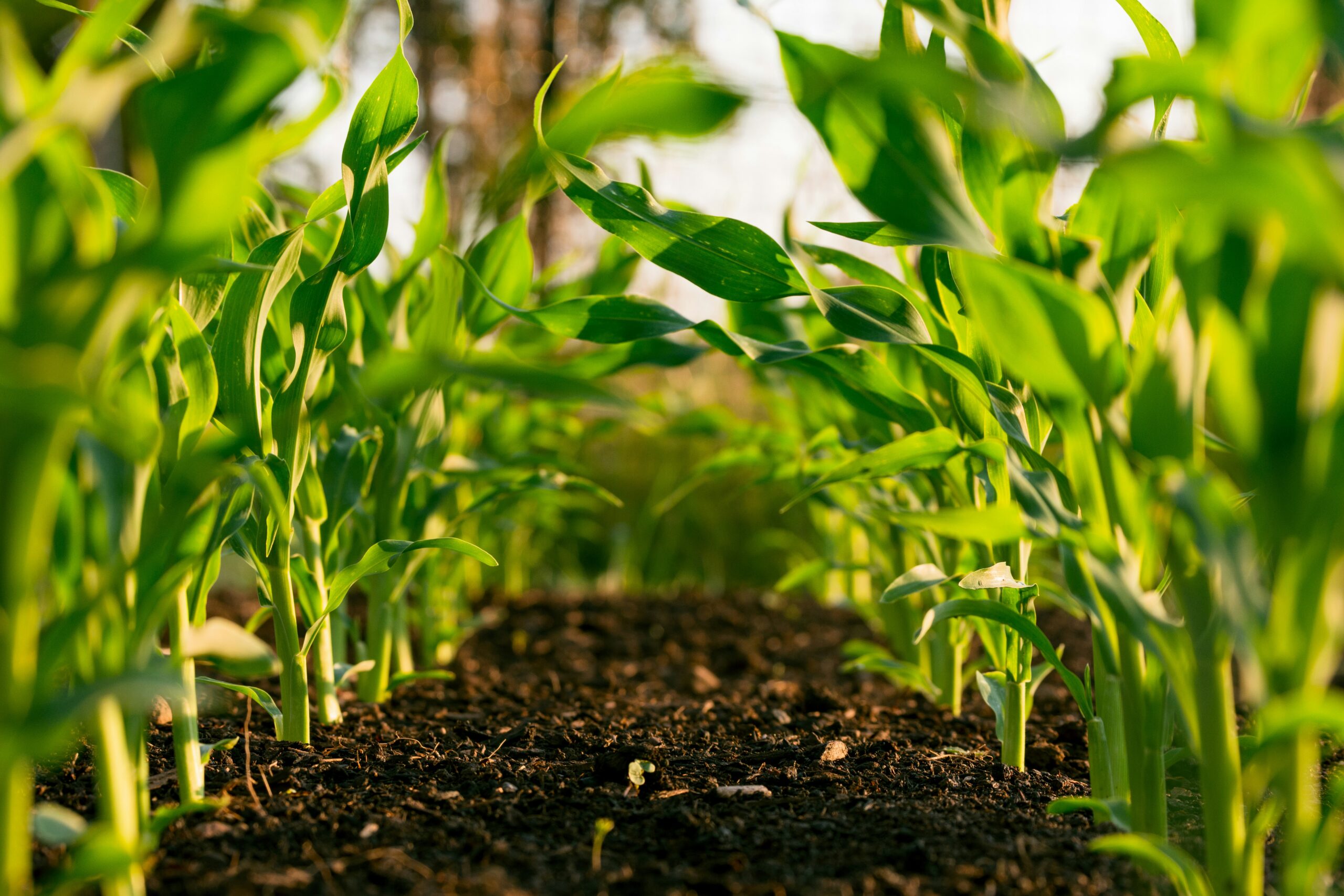
Sustainable agriculture is no longer a future idea; it is a present necessity. Farmers across the world face shifting weather patterns, rising costs, and growing food demand. As a result, many are rethinking traditional methods and turning toward smarter solutions. Growing Smarter: Sustainable Farming for a Changing World has become a guiding idea for this shift, because it connects productivity with long-term environmental care.
Today, agriculture must balance efficiency and responsibility. Moreover, farmers need tools and practices that protect soil, conserve water, and reduce waste. While older methods focused mainly on yield, modern farming now focuses on resilience. Consequently, the goal is not just to grow more food, but to grow it in ways that last for generations.
Understanding Sustainable Farming in a Modern Context
Sustainable farming means producing food while protecting natural resources. It also means improving farm productivity without damaging ecosystems. In addition, it focuses on soil health, water conservation, biodiversity, and energy efficiency. Farmers who adopt this approach often see long-term stability, even when conditions change.
However, sustainability does not look the same for every farm. A small family farm may use crop rotation and composting, while a large operation may invest in precision agriculture tools. Therefore, sustainable farming adapts to scale, location, and available resources. Growing Smarter: Sustainable Farming for a Changing World reflects this flexibility by encouraging solutions that fit real-world conditions.
Moreover, sustainable practices often blend traditional knowledge with modern innovation. For example, farmers may combine natural pest control methods with data-driven irrigation systems. As a result, they reduce chemical use while maintaining strong crop output. This balance helps protect both the land and the farmer’s livelihood.
Building Healthier Soil for Long-Term Growth
Soil is the foundation of farming, and healthy soil supports healthy food systems. Over time, however, intensive farming can deplete soil nutrients and degrade soil structure. To counter this, farmers now use practices that rebuild soil strength. For instance, cover cropping, composting, and reduced tillage help restore nutrients naturally.
In addition, healthy soil holds water more effectively, which reduces drought stress. This becomes especially important as climate patterns shift. Moreover, strong soil supports root development, leading to more resilient crops. Therefore, investing in soil health pays off in both productivity and sustainability.
Crop rotation also plays a key role in soil management. When farmers rotate crops, they prevent nutrient depletion and reduce pest buildup. Consequently, they rely less on synthetic fertilizers and pesticides. This approach not only saves money but also protects the surrounding environment.
Water Management in a Changing Climate
Water scarcity has become one of the biggest challenges in agriculture. As rainfall becomes less predictable, farmers must use water more efficiently. Therefore, smart irrigation systems are gaining popularity. These systems deliver water directly to plant roots, reducing waste and improving absorption.
Moreover, many farmers now use soil moisture sensors to guide irrigation decisions. These tools provide real-time data, helping farmers avoid overwatering or underwatering. As a result, crops receive exactly what they need at the right time.
Rainwater harvesting also supports sustainable water use. Farmers collect and store rainwater during wet seasons, then use it during dry periods. In addition, better water management helps reduce runoff, which protects nearby rivers and lakes from pollution. Growing Smarter: Sustainable Farming for a Changing World strongly depends on these efficient water strategies.
Technology Transforming Modern Agriculture
Technology has become a powerful driver of sustainable farming. Farmers now use drones, sensors, and satellite imaging to monitor crop health. These tools help them identify issues early, enabling them to act quickly and reduce losses.
Furthermore, precision agriculture allows farmers to apply fertilizers and pesticides only where needed. This reduces chemical use and lowers environmental impact. At the same time, it improves crop yield and quality. Therefore, technology supports both productivity and sustainability.
Data analytics also plays an increasingly important role in farm decision-making. Farmers can track weather trends, soil conditions, and market demand. As a result, they can plan better planting and harvesting schedules. In addition, automation tools help reduce labor demands while increasing efficiency.
Although technology may seem complex, many solutions are becoming more accessible. Smaller farms can now adopt affordable tools that once belonged only to large operations. Consequently, sustainable innovation is spreading across the entire agricultural sector.
Economic Advantages of Sustainable Practices
Sustainable farming not only benefits the environment, but it also supports economic stability. Farmers who reduce input costs often improve their profit margins. For example, using natural fertilizers and efficient irrigation lowers long-term expenses.
In addition, sustainable farms often experience fewer pest losses and less soil degradation. This stability helps farmers plan with more confidence. Moreover, consumers increasingly prefer sustainably grown food, which creates new market opportunities.
As a result, farmers who adopt sustainable methods often gain a competitive advantage. They can access premium markets and build stronger brand trust. Growing Smarter: Sustainable Farming for a Changing World shows that environmental responsibility can also support financial growth.
Furthermore, sustainable practices help communities as a whole. Healthier farms lead to cleaner water, better air quality, and more stable food supplies. Therefore, the benefits extend beyond individual farms and support regional development.
Challenges and Opportunities Ahead
Even though sustainable farming offers many benefits, it still faces challenges. Transitioning from traditional methods can require upfront investment. Moreover, some farmers may lack access to training or technology. These barriers can slow adoption, especially in rural areas.
However, governments and organizations are increasing support for sustainable agriculture. They offer grants, education programs, and technical assistance. In addition, private companies are investing in green farming innovations. Consequently, access to sustainable tools continues to grow.
Climate change adds pressure but also encourages innovation. Farmers are developing new ways to adapt, from drought-resistant crops to advanced irrigation systems. Therefore, challenges often lead to creative solutions that strengthen the entire food system.
Moving Toward a Smarter Agricultural Future
The future of farming depends on balance. Farmers must produce enough food to meet global demand while protecting natural resources. Therefore, sustainable practices will continue to play a central role in agriculture.
Collaboration will also shape the future. Farmers, scientists, and policymakers must work together to develop better systems. In addition, education will help new generations understand the importance of sustainability from the start.
Ultimately, Growing Smarter: Sustainable Farming for a Changing World is not just a concept; it is a movement. It encourages smarter decisions, responsible resource use, and long-term thinking. As more farmers adopt these practices, agriculture becomes more resilient and better prepared for future challenges.
Sustainable farming represents a shift in how the world grows food. It combines tradition with innovation and productivity with responsibility. Moreover, it helps farmers adapt to climate change while protecting natural ecosystems. As this approach continues to expand, it builds a stronger foundation for global food security and environmental health.