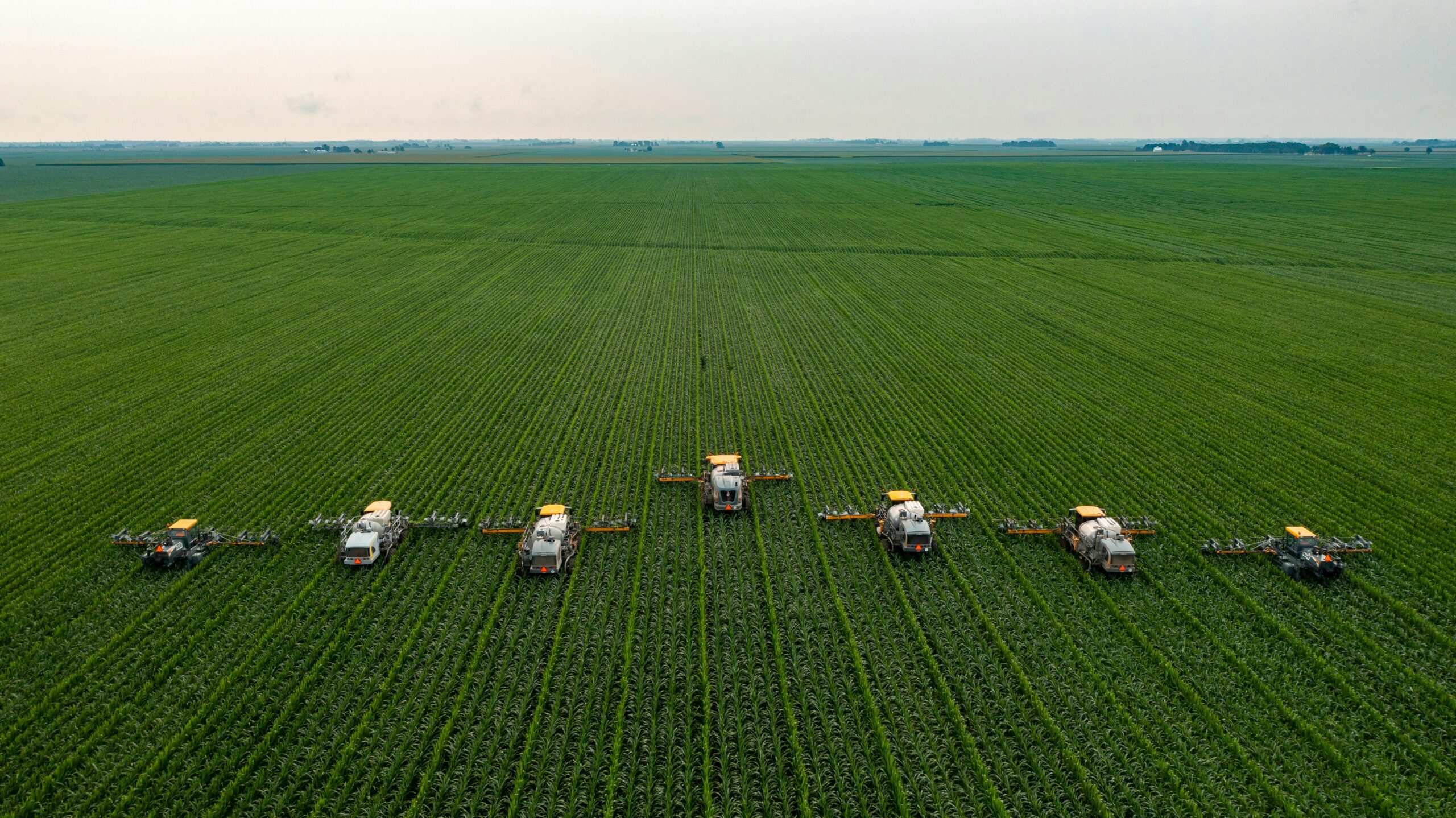
Tech-driven agriculture is changing the way food is grown, managed, and harvested. Farmers no longer rely only on experience and weather patterns to make decisions. Today, advanced technology helps them collect accurate information about their fields, crops, and livestock. This combination of farming knowledge and digital innovation creates a more productive and sustainable future.
As the global demand for food continues to increase, agriculture must produce higher yields while using fewer resources. Modern technology makes this possible by providing real-time data that helps farmers improve efficiency. From sensors in the soil to drones in the sky, every tool plays an important role in making farming smarter and more reliable.
How Data Improves Farming Decisions
Data has become one of the most valuable resources in agriculture. Farmers can now monitor soil moisture, temperature, crop health, and weather conditions through connected devices. This information allows them to make better decisions every day.
Instead of watering an entire field, farmers can identify the exact areas that need irrigation. Fertilizers can also be applied only where necessary, reducing waste and lowering costs. These data-driven decisions improve crop growth while protecting natural resources.
By studying historical and real-time information, farmers can predict future challenges and prepare for them before they become serious problems. This proactive approach helps reduce losses and increase overall productivity.
Precision Agriculture Creates Better Results
Precision agriculture is one of the biggest innovations in modern farming. It uses technologies such as GPS, sensors, satellites, and automated machinery to manage crops with greater accuracy.
Instead of treating every part of a field the same, precision agriculture recognizes that different areas have different needs. Some sections may require more water, while others need additional nutrients. By responding to these differences, farmers can improve yields while reducing unnecessary expenses.
This targeted approach also benefits the environment by reducing chemical use and resource waste. Precision agriculture supports healthier crops and more responsible farming practices.
Smart Equipment Makes Farming More Efficient
Modern farm equipment has become smarter than ever before. Tractors, harvesters, and planting machines now include advanced software that helps farmers complete tasks with greater accuracy.
Some machines can follow pre-programmed routes across fields, reducing overlap and saving fuel. Others automatically adjust planting depth and seed spacing based on soil conditions. These improvements increase efficiency while reducing labor demands.
Automation also allows farmers to spend more time analyzing data and planning future operations instead of performing repetitive manual work. As technology continues to improve, smart equipment will become even more valuable on farms of every size.
Drones and Satellites Support Crop Monitoring
Drones and satellite imaging have become powerful tools for monitoring agricultural land. They provide detailed views of large fields that would take many hours to inspect by walking.
High-resolution images reveal signs of plant stress, disease, pest activity, and nutrient deficiencies before they become visible to the human eye. Early detection allows farmers to respond quickly and prevent small issues from becoming larger problems.
These technologies also help measure crop growth throughout the season, making it easier to estimate harvest yields and plan future farming activities. Better visibility leads to better decisions and stronger crop performance.
Artificial Intelligence Enhances Farm Management
Artificial intelligence is becoming an important part of modern agriculture. AI systems analyze large amounts of data and identify patterns that humans may overlook. This helps farmers make faster and more accurate decisions.
AI can predict weather risks, recommend optimal planting times, and identify diseases using image recognition. It also supports automated irrigation systems that adjust water use in response to changing field conditions.
As artificial intelligence continues to evolve, farmers gain access to smarter recommendations that improve productivity while reducing operational costs.
Sustainable Farming Through Digital Innovation
Technology is helping agriculture become more sustainable by reducing waste and improving resource management. Water conservation systems use sensors to deliver irrigation only when crops truly need it. Smart fertilizer applications reduce runoff and protect nearby ecosystems.
Digital monitoring also supports healthier soil by tracking nutrient levels and preventing overuse of agricultural inputs. These practices improve long-term land productivity while reducing environmental impact.
Sustainability benefits both farmers and consumers by supporting reliable food production and preserving valuable natural resources for future generations.
The Future of Agriculture Is Connected
The future of agriculture will rely on stronger connections between data, equipment, and farmers. Internet-connected devices, cloud computing, and advanced analytics will continue to improve farm management. Real-time communication between machines and digital platforms will make farming more efficient than ever before.
As technology becomes more affordable, farms of all sizes will benefit from digital solutions that increase productivity and reduce costs. Innovation will continue to shape agriculture by helping farmers overcome changing weather conditions, labor shortages, and growing food demand.
Tech-driven agriculture demonstrates that successful farming is no longer based only on hard work in the field. It also depends on smart decisions powered by accurate data. By combining traditional farming experience with advanced technology, agriculture is becoming more productive, efficient, and sustainable. Where data meets the dirt, the future of farming continues to grow stronger with every innovation.