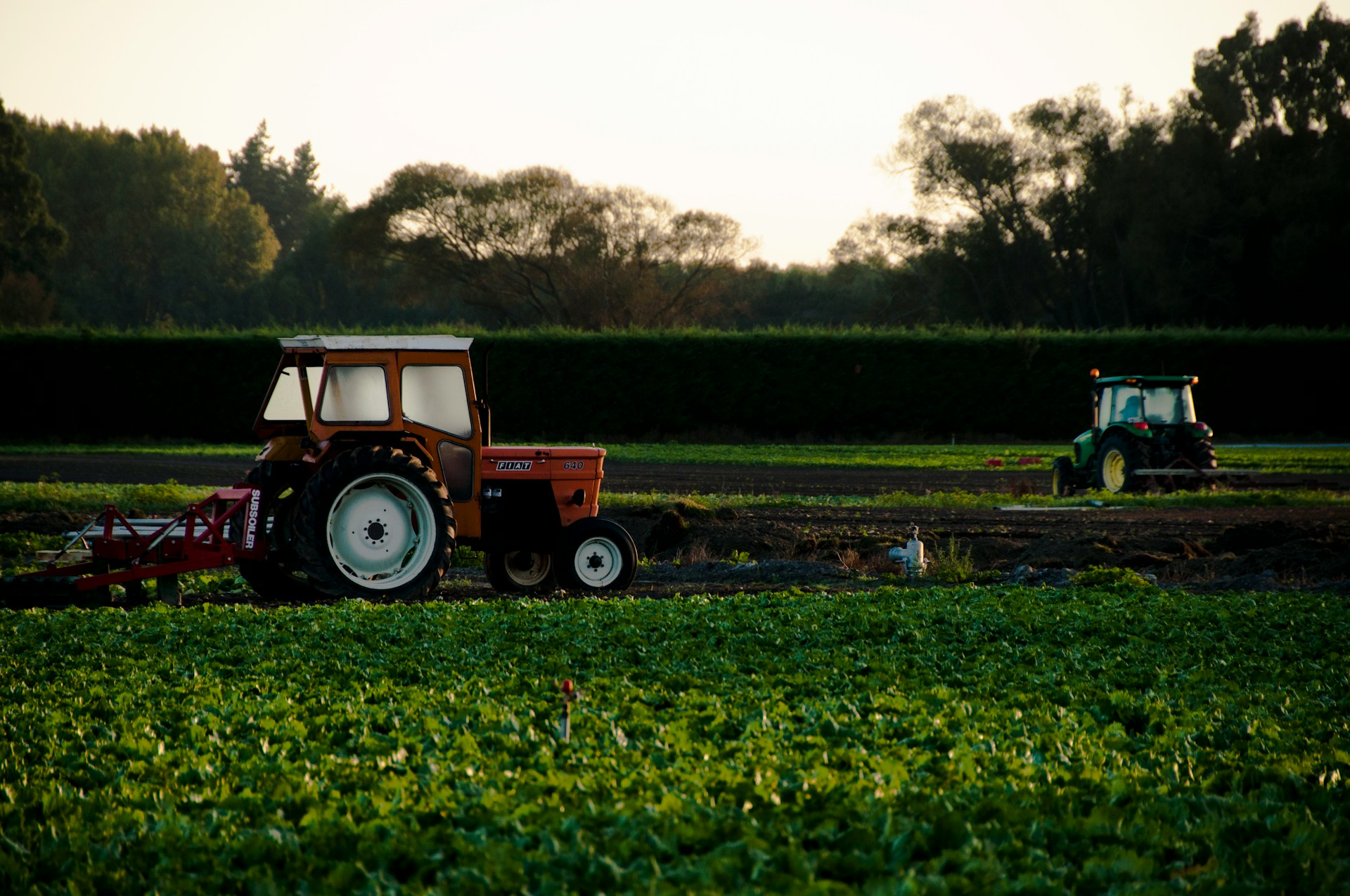
Agriculture stands at a turning point as farmers face changing climates, growing populations, and rising demands for healthier food. Therefore, sustainable farming has become more than a trend; it is a practical way to protect resources while supporting future generations. Today, many growers are exploring regenerative agriculture practices to improve soil health, reduce waste, and create stronger food systems. Sustainable farming focuses on working with nature instead of against it, which helps farms remain productive while caring for the planet.
The Need for Better Food Systems
Food production has always depended on healthy land, clean water, and stable weather patterns. However, modern challenges have placed pressure on these essential resources. Extreme weather, soil damage, and limited water supplies make it harder for farmers to maintain reliable harvests. As a result, many agricultural communities are searching for smarter methods that protect the environment while meeting global food needs.
Sustainable farming offers a balanced approach because it connects environmental care with economic stability. Farmers can improve their long-term success by reducing harmful inputs, improving efficiency, and using natural processes to support crop growth. Moreover, these methods can help smaller farms compete by lowering costs and increasing resilience. In this way, sustainable agriculture creates benefits that reach beyond individual fields and into entire communities.
How Nature Guides Modern Agriculture
Nature provides valuable lessons for improving farming systems. For example, healthy ecosystems rely on diversity, balance, and careful resource use. Because of this, many farmers now use methods that support natural cycles instead of depending only on chemical solutions. Crop rotation, composting, and mixed planting systems help restore nutrients and encourage stronger plant growth.
Furthermore, farmers are learning how important soil health is for successful harvests. Healthy soil stores water, supports beneficial organisms, and helps crops handle difficult conditions. By focusing on soil improvement, growers can create more dependable production systems. In addition, these approaches support cleaner waterways and reduce environmental damage caused by traditional farming practices.
Technology That Supports Responsible Cultivation
Technology plays an important role in helping farmers make smarter decisions. Today, tools such as sensors, satellite imaging, and data platforms allow growers to understand their fields with greater accuracy. Consequently, farmers can apply water, nutrients, and treatments only when needed. This reduces waste while improving overall efficiency.
At the same time, modern tools do not replace traditional knowledge. Instead, they work alongside farming experience to create better outcomes. For instance, precision equipment can help farmers monitor crop conditions, while their understanding of local environments guides final decisions. As technology continues to improve, it will provide even more opportunities for sustainable farming systems to grow.
Protecting Soil, Water, and Biodiversity
Natural resources form the foundation of agriculture, so protecting them remains a major priority. Soil erosion, water shortages, and habitat loss can weaken farming systems over time. Therefore, sustainable growers use conservation methods that maintain healthy landscapes. Practices such as cover cropping and responsible water management help protect valuable resources for future use.
Additionally, biodiversity plays a key role in agricultural success. A variety of plants, insects, and animals can support stronger ecosystems by improving pollination and reducing pest problems naturally. Because of this, many farms are creating spaces that welcome wildlife while maintaining productive fields. These efforts show that farming and environmental protection can work together.
Communities Driving Long-Term Change
Farmers rarely create change alone. Instead, progress often comes from cooperation among growers, researchers, businesses, and local communities. Together, these groups share knowledge, develop solutions, and encourage better agricultural practices. As a result, sustainable farming networks continue to expand across different regions with unique challenges and opportunities.
Education also helps accelerate this movement. When farmers have access to training and resources, they can adopt new methods with confidence. Likewise, consumers influence agricultural choices through their demand for responsibly produced food. Over time, these combined efforts create stronger connections between farms, markets, and communities.
Balancing Production With Environmental Care
Sustainable agriculture aims to solve a difficult challenge: producing enough food while protecting natural systems. However, this balance is possible when farmers combine careful planning with innovative approaches. For example, efficient irrigation, improved crop selection, and smarter land management can increase productivity without causing unnecessary harm.
Moreover, sustainable farming supports economic growth by helping farms remain productive for many years. Short-term gains often come with hidden costs when resources become damaged. Therefore, responsible practices provide a stronger foundation for future success. As more farmers recognize these advantages, sustainable methods continue to become a valuable part of modern agriculture.
Future Solutions for Global Agriculture
The future of farming will depend on creativity, cooperation, and responsible decision-making. Around the world, researchers and farmers are developing new approaches that improve food production while reducing environmental impact. These efforts include advanced breeding methods, climate-smart techniques, and improved resource management.
In addition, public awareness continues to shape the direction of agriculture. Consumers increasingly want food that supports both health and environmental responsibility. Because of this, farmers who invest in sustainable practices may find new opportunities in changing markets. The connection between farming choices and global environmental goals will continue to influence agriculture for years ahead.
Creating Lasting Progress Across Rural Landscapes
Sustainable farming represents a powerful opportunity to create healthier food systems and stronger communities. Through climate-smart farming solutions, growers can adapt to environmental changes while protecting the resources that support future harvests. This approach recognizes that farming success depends on maintaining balance between production, nature, and community needs. Therefore, sustainable agriculture is not only about growing food today, but it is also about preparing for tomorrow.
Ultimately, the path toward smarter agriculture requires ongoing effort from everyone involved. Farmers, consumers, scientists, and leaders all have a role in creating positive change. As sustainable methods continue to develop, they can help build a food system that is productive, responsible, and ready for a changing world.