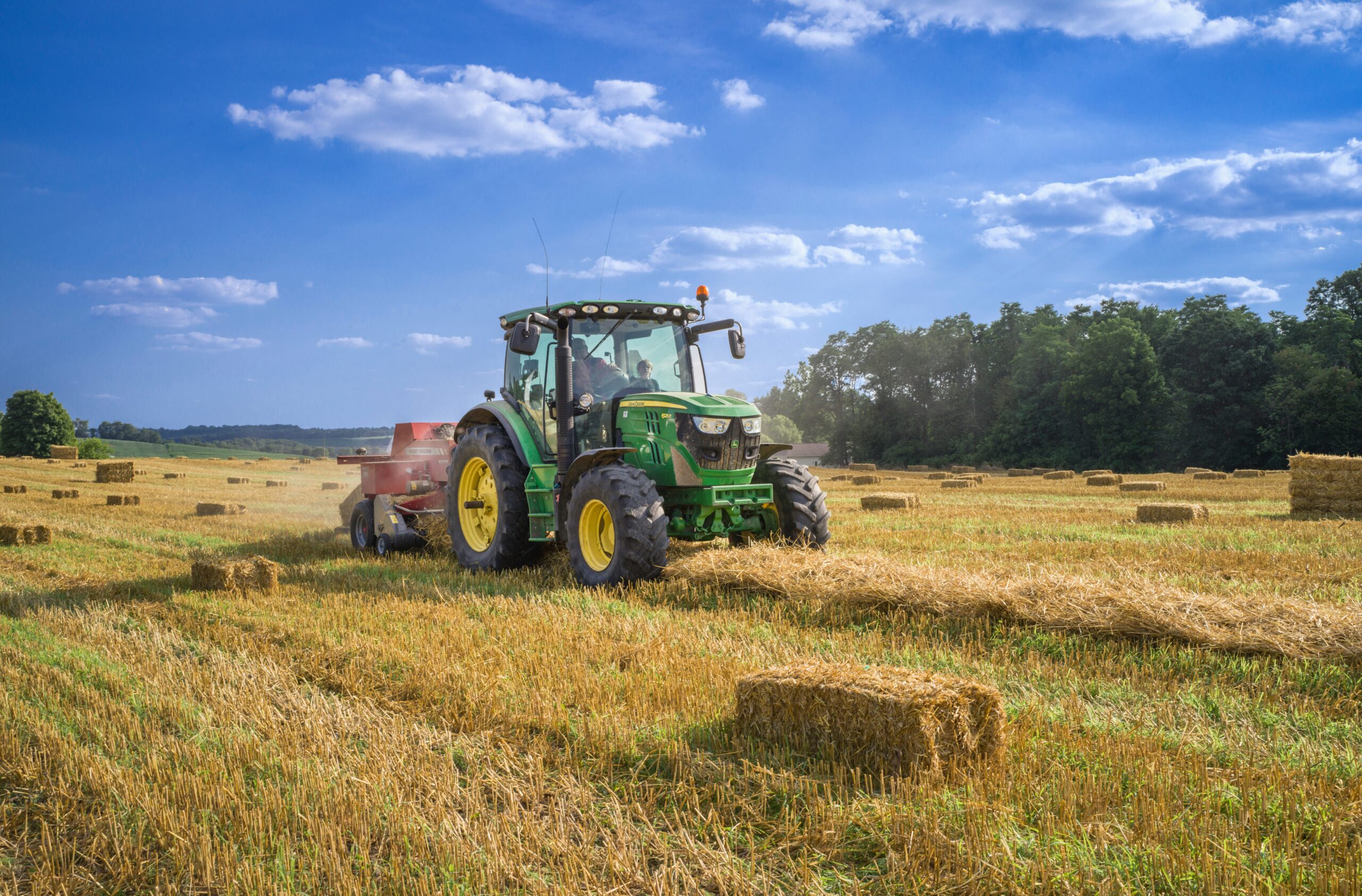
Agriculture continues to support communities, economies, and food systems worldwide. However, changing climates, limited resources, and rising demand have created new challenges for farmers. These methods help farmers maintain healthy soil, reduce waste, and create reliable food production systems. Sustainable approaches are becoming an important part of farming’s future. By using effective techniques, farmers can support both environmental protection and long-term agricultural success.
Modern agriculture requires careful planning because traditional methods can strain land and water resources. However, farmers can improve efficiency by adopting smarter solutions that balance production with conservation. Sustainable methods encourage better resource use, healthier ecosystems, and stronger farming communities. As a result, these practices help create agricultural systems that can adapt to future challenges.
Improving Soil Health Through Responsible Farming Methods
Healthy soil creates the foundation for successful agriculture because it supports plant growth and improves crop quality. Farmers use methods such as crop rotation, composting, and reduced tillage to protect soil structure. These approaches increase organic matter and help maintain important nutrients. Moreover, healthy soil can store more water, helping crops survive difficult weather conditions.
In addition, soil protection reduces the need for excessive chemical inputs. Farmers who focus on natural soil improvement can build stronger fields over time. Therefore, soil health management plays a major role in creating reliable agricultural systems. When farmers protect their land today, they increase their ability to produce food in the future.
Conserving Water Resources for Long-Term Farm Success
Water management has become a major concern for farms worldwide. Efficient irrigation systems, rainwater collection, and moisture monitoring tools help farmers use water more carefully. These techniques reduce unnecessary water loss while ensuring crops receive the support they need. Better water management also lowers operating costs and improves farm efficiency.
However, water conservation requires consistent planning and smart decisions. Farmers must understand local conditions, crop requirements, and seasonal changes. As a result, responsible water use helps protect natural supplies while maintaining strong agricultural output. Sustainable water strategies help farms stay productive even when water availability becomes uncertain.
Using Technology to Create Smarter Agricultural Operations
Technology has changed the way farmers manage daily operations. Digital tools, sensors, and data systems help farmers monitor crop conditions and make better decisions. For example, precision farming lets growers apply resources only where needed. This approach reduces waste and improves overall productivity.
Moreover, technology supports better planning by providing accurate information about soil, weather, and crop performance. Farmers can identify problems earlier and respond quickly. As a result, smart farming solutions help create more efficient agricultural systems. As innovation continues, technology will play a larger role in improving farming sustainability.
Reducing Waste and Increasing Farm Efficiency
Waste reduction is an important part of building stronger agricultural operations. Food loss, excessive inputs, and inefficient processes can reduce farm profitability. Farmers can improve results with better storage methods, careful planning, and strong resource management. As a result, reducing waste helps protect resources while improving financial stability.
Additionally, efficient farms can create stronger supply chains and provide more reliable food production. Better planning allows farmers to use materials more effectively and avoid unnecessary expenses. Therefore, waste reduction supports both environmental goals and business success. Farms that focus on efficiency are better prepared for future market changes.
Supporting Biodiversity and Protecting Natural Ecosystems
Healthy ecosystems help farms remain productive because they support pollinators, wildlife, and natural soil processes. Farmers can encourage biodiversity by planting diverse crops and maintaining natural areas around fields. These practices create balanced environments that support long-term agricultural growth. Furthermore, biodiversity helps reduce risks caused by pests and environmental changes.
However, protecting nature does not mean reducing productivity. Instead, sustainable farming methods create a relationship between farming and the environment. Farmers can produce quality crops while supporting ecological health. As a result, biodiversity protection strengthens agricultural systems and improves resilience.
Strengthening Communities Through Sustainable Agriculture
Agriculture strongly affects local communities because farms provide jobs, food, and economic opportunities. Sustainable approaches help create stable farming businesses that can continue for many years. When farmers improve efficiency and protect resources, communities benefit from stronger food systems. Moreover, sustainable agriculture encourages cooperation between farmers, businesses, and consumers.
In addition, responsible farming can support future generations by preserving valuable resources. Young farmers can learn modern techniques that combine productivity with environmental care. Therefore, sustainable agriculture creates opportunities for stronger rural communities. These efforts help build a more secure and balanced agricultural future.
Preparing Agriculture for Future Challenges
The agricultural industry faces many challenges, including climate change, population growth, and resource limitations. Farmers must develop strategies that allow them to adapt while maintaining production. Sustainable methods provide solutions that improve flexibility and reduce environmental pressure. Therefore, future-focused farming requires a commitment to innovation and responsible management.
Moreover, farmers who adopt sustainable strategies can respond better to changing conditions. They can protect their land, manage resources efficiently, and maintain consistent production. As a result, sustainable agriculture creates stronger systems that can handle future demands. These efforts will shape a more dependable food supply for years to come.
Creating a More Resilient Future Through Better Farming Choices
The future of agriculture depends on today’s decisions. Farmers, organizations, and communities must work together to support practices that protect resources and improve productivity. Sustainable methods offer a balanced approach that benefits both people and the planet. Therefore, investing in responsible farming creates lasting value for future generations.
Agriculture will continue to evolve as innovative ideas and technologies develop. Farmers who embrace better methods can improve efficiency while protecting natural resources. Sustainable farming is not only about environmental responsibility but also about creating stronger businesses and communities. By choosing smarter solutions, the agricultural industry can build a healthier and more resilient future.