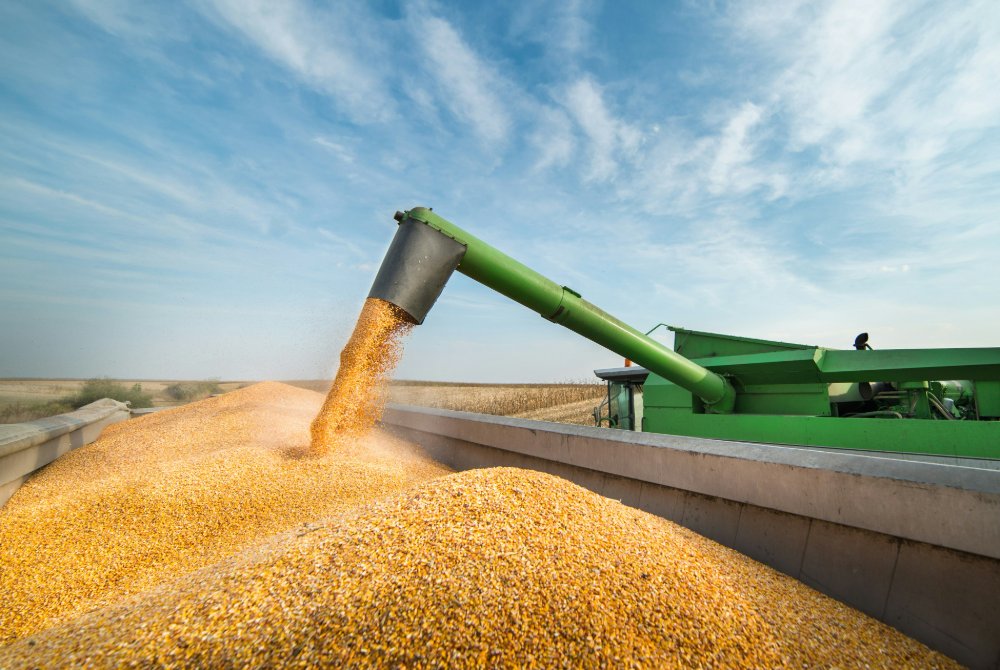
Seed quality plays an essential role in agricultural productivity. Healthy seeds support successful germination, strong plant development, and consistent crop production. However, excessive moisture after harvesting can damage seeds and reduce their ability to grow. Poor drying practices can also encourage mold growth, insect activity, and premature deterioration.
Advanced seed drying techniques help farmers overcome these challenges through controlled moisture removal. Modern equipment allows agricultural producers to regulate temperature, airflow, and humidity throughout the drying process. Furthermore, efficient drying methods help maintain seed quality while reducing energy consumption and storage losses. These improvements support reliable crop production and sustainable agricultural operations.
Understanding the Importance of Proper Seed Drying
Freshly harvested seeds often contain moisture levels that make long-term storage difficult. Excessive moisture increases biological activity and creates favorable conditions for fungal growth. Consequently, farmers must remove unnecessary moisture before transferring seeds into storage facilities. Proper drying helps maintain seed stability and protects the internal structures responsible for germination.
Moreover, different seed varieties require different drying conditions. Corn, wheat, soybeans, and vegetable seeds respond differently to heat and moisture removal. Farmers must consider these characteristics when choosing suitable drying methods. A carefully managed drying process helps preserve seed quality and supports healthy plant development during future growing seasons.
Using Controlled Hot Air Drying Systems
Controlled hot air drying provides an efficient method for removing excess moisture from harvested seeds. Modern dryers circulate heated air through seed batches to support gradual moisture removal. However, operators must carefully regulate temperatures because excessive heat can damage sensitive seeds and reduce germination rates.
Additionally, advanced drying equipment allows farmers to adjust airflow and temperature settings according to seed requirements. These adjustments help maintain consistent drying conditions and prevent unnecessary heat exposure. As a result, controlled hot air drying can improve processing efficiency while protecting seed quality and reducing storage risks.
Improving Preservation With Low-Temperature Drying
Low-temperature drying offers significant benefits for seeds that cannot tolerate excessive heat. This method uses relatively cool air to remove moisture gradually. Consequently, it helps protect delicate seed structures and reduces the risk of thermal damage during processing.
Furthermore, low-temperature drying can help maintain seed vigor and germination potential. Although this technique may require additional processing time, it offers valuable quality preservation benefits for sensitive seed varieties. Agricultural producers can achieve better results by monitoring moisture levels and maintaining consistent airflow throughout the drying process.
Harnessing Solar Energy for Seed Drying
Solar drying provides an environmentally responsible alternative to conventional drying methods. Modern solar dryers capture sunlight and use it to warm air inside enclosed drying chambers. Unlike open-air drying, enclosed systems offer better protection against dust, insects, and unexpected weather changes.
Moreover, solar drying can help agricultural businesses reduce fuel consumption and operating expenses. Some advanced systems combine solar energy with backup heating equipment to maintain consistent performance during cloudy conditions. Consequently, farmers can benefit from renewable energy while maintaining greater control over seed preservation.
Applying Dehumidification for Gentle Moisture Removal
Dehumidification drying uses air with reduced humidity to absorb moisture from seeds. This technique allows operators to remove moisture without exposing agricultural products to excessive temperatures. Therefore, it provides a useful option for preserving sensitive seeds that require careful environmental management.
Additionally, modern dehumidification systems allow storage managers to regulate humidity and airflow within drying chambers. Consistent environmental conditions support gradual and uniform moisture removal. As a result, farmers can maintain seed integrity, reduce drying damage, and prepare valuable seed varieties for extended storage periods.
Optimizing Airflow for Uniform Drying
Uneven airflow can cause some seeds to dry faster than others. This problem may leave certain areas excessively moist while exposing other seeds to unnecessary drying. Consequently, agricultural producers need effective air distribution systems that maintain consistent conditions throughout each seed batch.
Furthermore, modern drying equipment uses carefully designed ventilation channels and adjustable fans to improve air circulation. Operators can also manage seed depth and distribution to prevent restricted airflow. By maintaining uniform drying conditions, farmers can reduce moisture differences, protect seed quality, and improve processing reliability.
Monitoring Moisture Levels With Digital Technology
Accurate moisture measurements help farmers determine when seeds reach suitable storage conditions. Traditional inspection methods may fail to identify subtle moisture differences within large seed batches. However, digital moisture meters provide more precise information and support informed drying decisions.
Moreover, automated monitoring systems can track moisture changes throughout the drying process. Operators can use this information to adjust equipment settings and avoid excessive drying. Consequently, digital technology helps agricultural businesses preserve seed quality, improve operational efficiency, and reduce unnecessary energy consumption.
Enhancing Drying Performance Through Automation
Automated seed drying systems help agricultural businesses maintain consistent processing standards. Intelligent controllers collect information about temperature, humidity, and airflow. Consequently, operators can manage drying conditions with greater accuracy and reduce their dependence on frequent manual adjustments.
Additionally, advanced systems can notify operators when environmental conditions exceed acceptable limits. These alerts encourage timely intervention and help prevent avoidable processing damage. By combining automation with regular equipment inspections and professional oversight, farmers can achieve reliable drying results while improving productivity and reducing operational errors.
Maintaining Seed Quality After the Drying Process
Successful drying represents only one stage of seed preservation. Once seeds reach appropriate moisture levels, farmers must protect them against renewed moisture absorption and unfavorable storage temperatures. Therefore, suitable packaging and controlled storage environments play essential roles in maintaining seed quality.
Furthermore, agricultural producers should conduct periodic germination tests and moisture assessments during storage. These evaluations help identify potential quality problems before the planting season. Farmers should also maintain clean storage facilities and protect seed containers from pests. Consequently, responsible storage practices complement advanced drying techniques and support long-term seed viability.
Supporting Sustainable Agriculture Through Efficient Seed Drying
Efficient seed drying contributes to agricultural sustainability by reducing preventable losses and protecting valuable planting materials. Energy-efficient equipment and renewable energy sources can help farmers minimize resource consumption. Moreover, preserving healthy seeds reduces unnecessary waste and supports dependable crop establishment during future growing seasons.
Ultimately, advanced seed drying techniques offer practical solutions for maintaining moisture balance, protecting germination potential, and extending storage life. Farmers can achieve better preservation outcomes by combining suitable drying equipment, accurate monitoring, controlled temperatures, and responsible storage practices. Consequently, effective seed drying strengthens agricultural productivity, improves resource efficiency, supports food security, and contributes to a more resilient and sustainable farming industry.