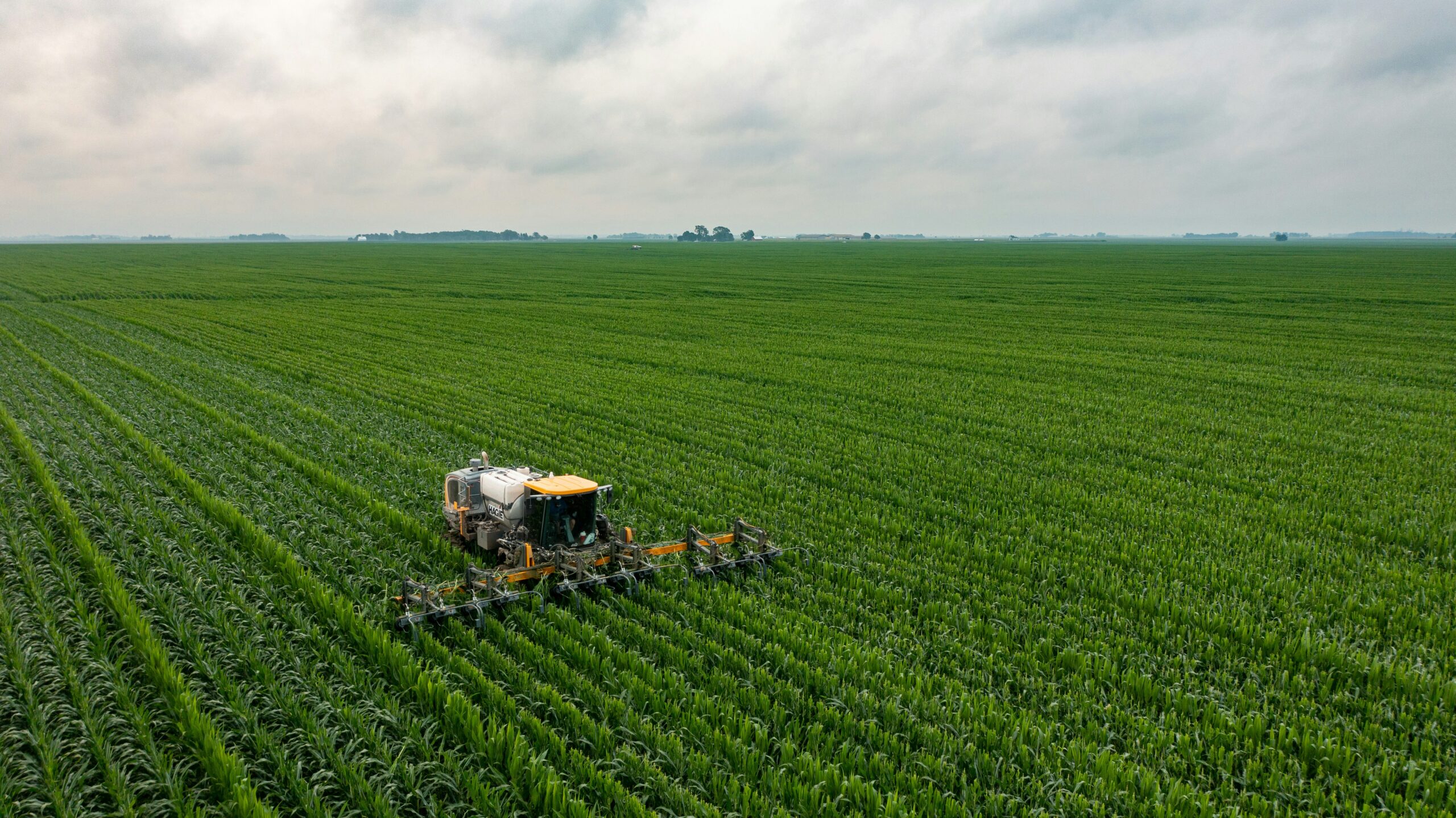
Agriculture has always depended on careful planning, hard work, and an understanding of nature. However, modern farmers face growing challenges that traditional methods cannot always solve. Changing weather patterns, rising production costs, water shortages, and increasing food demand make farming more complex. Smart technology offers practical solutions that help farmers manage these challenges. Digital tools, connected equipment, and automated systems now support better decisions across agricultural operations. These improvements allow farmers to produce food more efficiently while protecting valuable resources.
Smart farming combines agricultural knowledge with modern technology to improve everyday activities. Farmers can monitor soil conditions, track crop development, manage irrigation, and maintain equipment with greater accuracy. Instead of relying entirely on observation and experience, they can use reliable information to guide their decisions. This approach reduces unnecessary work and supports healthier crops. As technology becomes more accessible, farms of different sizes can explore new ways to improve productivity, reduce waste, and strengthen long-term sustainability.
Understanding the Growing Role of Smart Farming
Smart farming uses digital systems and modern equipment to make agricultural activities more accurate and efficient. These technologies collect useful information about soil, crops, weather, and farm operations. Farmers can review this information and respond to changing conditions before problems become serious. For example, a soil sensor can identify low moisture levels before plants show signs of stress. This early warning helps farmers protect crops without wasting water. Technology supports traditional farming knowledge rather than replacing the practical experience that growers develop over time.
The growing interest in smart agriculture reflects the need for reliable food production. Farmers must produce enough food while managing limited land, water, and labor resources. Modern tools help them understand where improvements are possible. Digital monitoring can reveal differences between fields and identify areas that require attention. As a result, farmers can focus their time and resources where they provide the greatest benefit. This careful approach supports stronger agricultural operations and helps farms respond to changing economic and environmental conditions.
Improving Crop Management Through Real-Time Information
Successful crop production depends on understanding plant health throughout the growing season. Smart monitoring systems provide updated information about temperature, moisture, sunlight, and other important conditions. Farmers can access these details through computers or mobile devices. This information helps them identify potential problems and make timely adjustments. For example, unusual temperature changes may signal conditions that increase the risk of crop damage. Early action can prevent small problems from becoming expensive losses and improve the overall quality of agricultural production.
Modern crop monitoring also helps farmers understand how different areas of a field perform. Some sections may receive less water, contain fewer nutrients, or experience greater exposure to pests. Digital maps and field sensors can reveal these differences. Farmers can then adjust their management practices instead of treating every area the same way. This targeted approach reduces unnecessary spending and supports healthier plant growth. Over time, collected information also helps farmers recognize patterns and make better decisions during future growing seasons.
Making Water Management More Efficient
Water remains one of the most important resources in agriculture. However, traditional irrigation methods sometimes provide more water than crops need. Excessive watering can increase operating costs, waste valuable resources, and damage soil conditions. Smart irrigation systems help farmers apply water based on actual field requirements. Sensors measure soil moisture, while weather information helps determine when irrigation is necessary. Automated controls can adjust watering schedules to match these conditions. This approach improves water efficiency and supports healthy crop development.
Better irrigation management also helps farms prepare for periods of limited rainfall. Farmers can monitor water use and identify areas where conservation measures are necessary. Smart systems may reduce irrigation when rainfall is expected or increase watering when soil becomes unusually dry. These adjustments help maintain suitable growing conditions without relying on fixed schedules. Efficient water management becomes especially valuable in regions that experience drought or unpredictable weather. By using water carefully, farmers can protect crop production while reducing pressure on local water supplies.
Using Automation to Reduce Farm Labor Challenges
Agricultural work often requires long hours and repeated physical activities. Planting, spraying, harvesting, and equipment operation demand considerable time and effort. Labor shortages can make these responsibilities even more difficult. Automated agricultural equipment helps farmers complete certain tasks with less direct manual involvement. Modern tractors can follow guided routes, while specialized machines support planting and crop care. These technologies improve consistency and allow workers to concentrate on activities that require human judgment, experience, and careful supervision.
Automation can also improve the timing of important farming operations. Crops often need attention within specific periods to achieve healthy growth and strong yields. Delays in planting or harvesting may affect production results. Automated systems help farmers complete suitable tasks more consistently when conditions are favorable. However, these machines still require maintenance, monitoring, and trained operators. Farmers must understand their capabilities and limitations before depending on them. When introduced carefully, automation can support workers, reduce repetitive duties, and improve daily farm management.
Supporting Better Decisions With Artificial Intelligence
Artificial intelligence helps farmers examine large amounts of agricultural information and identify useful patterns. These systems can study weather records, crop images, soil measurements, and previous harvest results. They may then provide predictions or recommendations that support farm planning. For example, image analysis can help identify possible plant diseases or signs of nutrient shortages. Farmers can investigate these warnings and decide whether treatment is necessary. This process supports earlier responses and may reduce avoidable crop damage.
Artificial intelligence also supports decisions about planting schedules, fertilizer use, and expected production. By comparing current conditions with historical information, digital tools can help farmers evaluate possible outcomes. However, predictions are not always accurate because agricultural conditions can change unexpectedly. Farmers still need to consider local knowledge, field observations, and professional guidance. The greatest value comes from combining technology with practical experience. This balanced approach helps growers make informed decisions without placing complete trust in automated recommendations.
Improving Soil Health Through Precision Agriculture
Healthy soil provides the foundation for productive farming. Crops need suitable moisture, nutrients, and soil structure to develop strong roots and maintain steady growth. However, soil conditions can vary considerably across a single field. Precision agriculture helps farmers understand these differences through soil testing, digital mapping, and monitoring equipment. Instead of applying identical treatments everywhere, growers can identify areas that need specific attention. This approach supports better nutrient management and helps prevent unnecessary fertilizer applications.
Careful soil management also contributes to long-term agricultural sustainability. Excessive fertilizer use can increase expenses and contribute to water pollution when nutrients leave fields. Smart application equipment helps farmers adjust fertilizer quantities according to measured needs. Digital records allow them to compare soil conditions across multiple seasons and evaluate changes in productivity. These insights support more responsible land management. Farmers can protect soil quality while maintaining crop performance, creating a stronger foundation for future agricultural production.
Strengthening Farm Equipment Maintenance and Reliability
Farm machinery plays an essential role in planting, cultivation, irrigation, and harvesting. Unexpected equipment failures can interrupt important activities and create expensive delays. Smart maintenance systems help farmers monitor machine performance and identify possible mechanical problems. Connected sensors can track operating temperature, engine activity, fuel consumption, and other conditions. When unusual readings appear, farmers can inspect equipment before a minor issue develops into a major breakdown. This preventive approach improves reliability and helps reduce unexpected repair expenses.
Digital maintenance records also make equipment management easier. Farmers can track service dates, replacement parts, operating hours, and repair histories in one system. This information helps them plan maintenance around seasonal workloads and avoid unnecessary interruptions. Equipment monitoring may also reveal inefficient fuel use or operating practices that increase costs. By addressing these issues, farms can improve machine performance and extend equipment life. Reliable machinery supports timely field operations, which remain essential for successful agricultural production.
Expanding Market Access and Farm Business Management
Smart technology affects more than activities inside agricultural fields. Digital platforms also help farmers manage finances, organize inventory, communicate with buyers, and monitor product movement. Farm management software can record production expenses, sales information, and resource use. These records give farmers a clearer understanding of business performance. They can compare costs across seasons, identify spending patterns, and evaluate opportunities for improvement. Better financial visibility supports careful planning and helps agricultural businesses respond to changing market conditions.
Online marketplaces and communication tools can also create new opportunities for agricultural producers. Farmers may connect with buyers, compare market information, and arrange product deliveries more efficiently. Digital tracking systems can improve recordkeeping as crops move from farms to storage facilities and customers. However, successful adoption depends on reliable internet access, suitable training, and affordable technology. Farmers should select tools that match their operational needs and financial resources. Thoughtful investment can improve business organization and strengthen relationships throughout the agricultural supply chain.
Building a More Sustainable Agricultural Future
Modern agriculture must balance food production with environmental responsibility. Smart technology supports this goal by helping farmers reduce unnecessary resource consumption and manage operations more carefully. Efficient irrigation conserves water, targeted fertilizer applications limit waste, and improved equipment management can reduce fuel consumption. Digital monitoring also helps growers recognize environmental changes that may affect future production. These improvements support agricultural systems that use available resources more responsibly while maintaining the productivity needed to meet growing food demand.
The future of smart agriculture will depend on making useful technologies practical for farms of different sizes. High equipment costs, limited connectivity, and training requirements remain important barriers. Farmers need solutions that deliver clear benefits without creating unnecessary complexity. Agricultural organizations, technology providers, and educational institutions can support adoption through training and accessible services. As these tools continue to develop, their greatest contribution will come from helping farmers make better decisions. By combining innovation with experience, modern agriculture can become more productive, resilient, and sustainable.