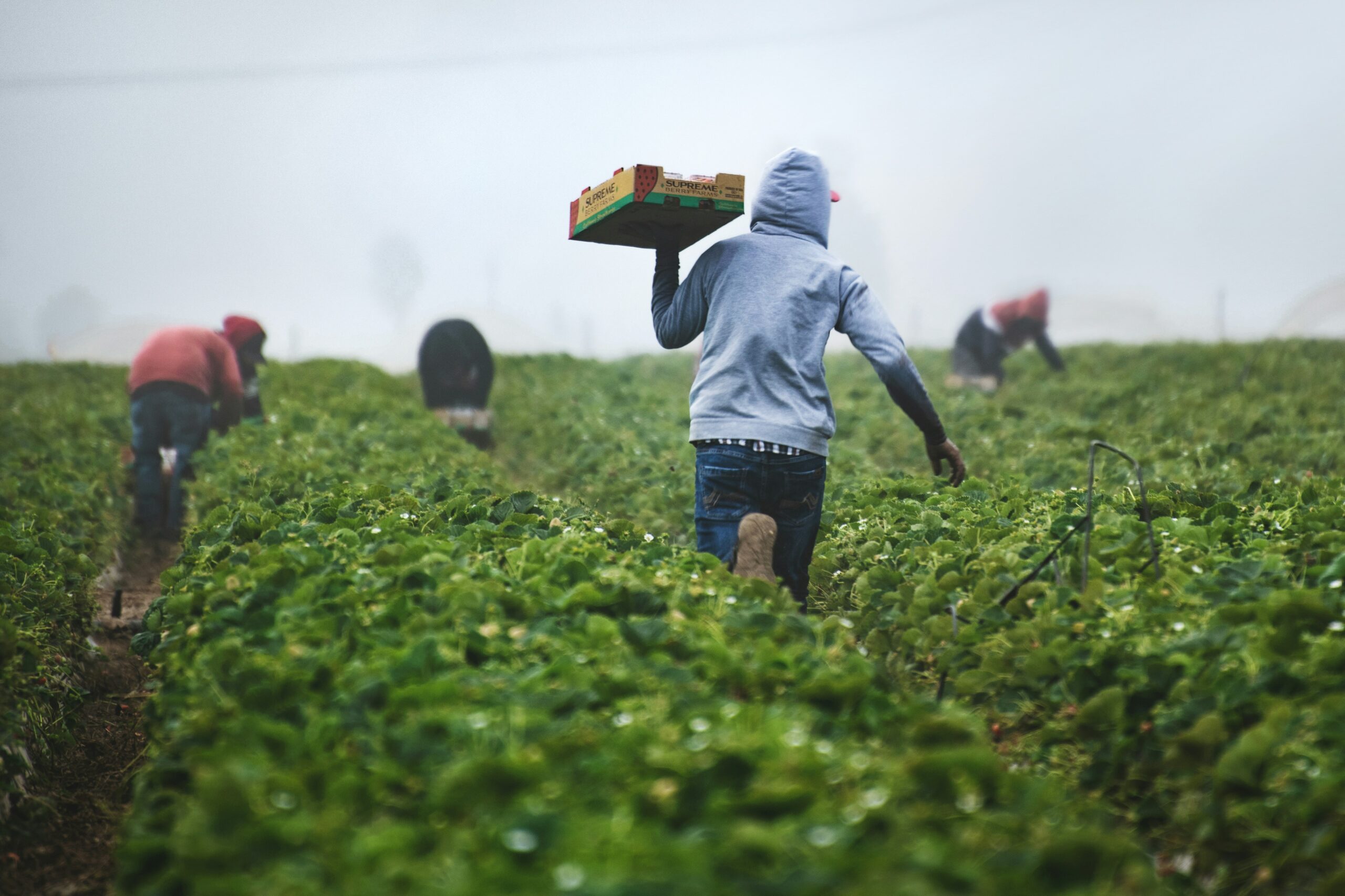
Agriculture plays a vital role in feeding communities and supporting economic growth. However, modern farming faces growing challenges from climate change, water shortages, soil degradation, and rising production costs. Farmers must find practical ways to grow healthy crops while protecting the environment. Sustainable farming offers solutions that improve productivity without placing unnecessary pressure on natural resources.
Today, agricultural innovation is changing how farmers manage their land and produce food. From smart irrigation systems to natural soil improvement, sustainable methods help farms become more efficient and resilient. These practices also support environmental protection and long-term food security. By adopting responsible farming techniques, agricultural producers can create healthier ecosystems while meeting the growing demand for food.
Understanding the Need for Sustainable Crop Production
Sustainable crop production focuses on growing food while protecting soil, water, and surrounding ecosystems. Traditional farming methods sometimes rely on intensive cultivation and excessive chemical applications. Over time, these practices can weaken soil health and increase environmental pollution. Therefore, farmers need balanced approaches that maintain productivity while reducing resource waste.
Moreover, sustainable agriculture supports the long-term success of farming businesses. Healthy soil, efficient water use, and responsible crop management can reduce certain production expenses. These improvements help farmers adapt to changing weather conditions and protect their land for future harvests.
Restoring Soil Health With Natural Farming Methods
Healthy soil provides essential nutrients and supports strong crop growth. However, repeated cultivation and poor land management can reduce soil fertility. Farmers can address these problems through composting, cover cropping, and reduced tillage. These methods improve soil structure and help maintain natural biological activity.
Additionally, adding organic matter can increase the soil’s moisture-holding capacity. Cover crops protect exposed fields from erosion and support beneficial microorganisms. As a result, farmers can build healthier growing environments while reducing their dependence on certain chemical inputs.
Conserving Water Through Smarter Irrigation
Water is one of the most valuable resources in crop production. Unfortunately, inefficient irrigation can waste large amounts of freshwater through evaporation and runoff. Farmers can improve water efficiency by choosing systems that deliver moisture directly to crop roots. This approach helps conserve water while supporting plant development.
For example, drip irrigation allows growers to control water delivery based on crop needs. Soil moisture sensors also help determine when irrigation is necessary. Collecting rainwater and improving water storage can also reduce pressure on local freshwater supplies. Together, these practices support more responsible water management.
Using Technology to Improve Farming Efficiency
Modern technology provides farmers with valuable information about their crops. Digital sensors, drones, and satellite images can reveal changes in soil conditions and plant health. As a result, growers can spot potential problems before they cause serious damage.
Precision farming also helps farmers apply water, fertilizers, and pesticides more accurately. Instead of treating every field section equally, producers can focus on areas that need attention. This targeted approach can reduce waste, lower unnecessary expenses, and limit environmental pollution.
Reducing Chemical Dependence With Natural Pest Management
Crop pests can damage plants and reduce harvest quality. However, excessive pesticide use can harm beneficial insects and affect nearby ecosystems. Sustainable farming encourages integrated pest management, which combines prevention, monitoring, and carefully selected control methods.
Farmers can attract beneficial insects, rotate crops, and use appropriate biological controls to manage pest populations. For instance, ladybugs can help control certain aphids that damage crops. Regular field inspections also let growers respond when pests reach harmful levels. These methods can reduce the need for unnecessary chemical applications.
Improving Crop Diversity for Stronger Farms
Growing the same crop repeatedly can increase disease pressure and affect soil nutrients. Crop diversification offers a practical way to improve agricultural stability. By rotating different plants, farmers can interrupt pest cycles and use available nutrients more efficiently.
Furthermore, planting a variety of crops can reduce financial risks when weather conditions affect one harvest. Legumes, for example, can contribute nitrogen to farming systems through biological processes. As a result, diversified fields can support healthier soils and more reliable production over time.
Exploring Vertical Farming and Modern Growing Systems
Vertical farming creates new opportunities to grow crops in areas with limited farmland. These systems use stacked growing spaces and controlled environmental conditions. As a result, producers can grow certain vegetables and herbs year-round, regardless of seasonal weather changes.
Hydroponic systems also allow plants to grow with carefully managed water and nutrients instead of traditional soil. Some systems recycle water and reduce overall consumption. However, indoor farming often requires substantial electricity for lighting and temperature control. Using efficient equipment and cleaner energy can improve its environmental performance.
Protecting Biodiversity Around Agricultural Land
Healthy ecosystems support successful crop production. Bees, butterflies, birds, and other beneficial insects support pollination and natural pest management. However, habitat loss and unsuitable farming practices can threaten these important species.
Farmers can encourage biodiversity by planting native flowers, protecting field boundaries, and maintaining natural vegetation. Additionally, reducing unnecessary pesticide applications helps protect beneficial organisms. These simple improvements can strengthen local ecosystems while supporting agricultural productivity.
Reducing Waste and Reusing Agricultural Resources
Farming produces organic materials such as crop residues, leaves, and other plant waste. Instead of discarding suitable materials, farmers can reuse them to improve soil health. Composting transforms organic waste into valuable soil amendments that support plant growth.
Moreover, better harvesting methods and improved storage facilities can reduce food losses. Farmers can also use suitable plant residues as mulch to protect soil moisture and reduce erosion. These efforts help conserve resources and improve overall crop production efficiency.
Adapting Crop Production to Changing Climate Conditions
Climate change creates uncertainty for farmers through rising temperatures, droughts, and unpredictable rainfall. Sustainable farming helps agricultural producers respond to these challenges. Choosing suitable crop varieties and adjusting planting schedules can improve resilience as conditions change.
Farmers can also use weather forecasts and field monitoring tools to make timely decisions. Drought-tolerant crops and improved soil management can reduce certain production risks. These strategies help protect harvests while supporting long-term agricultural sustainability.