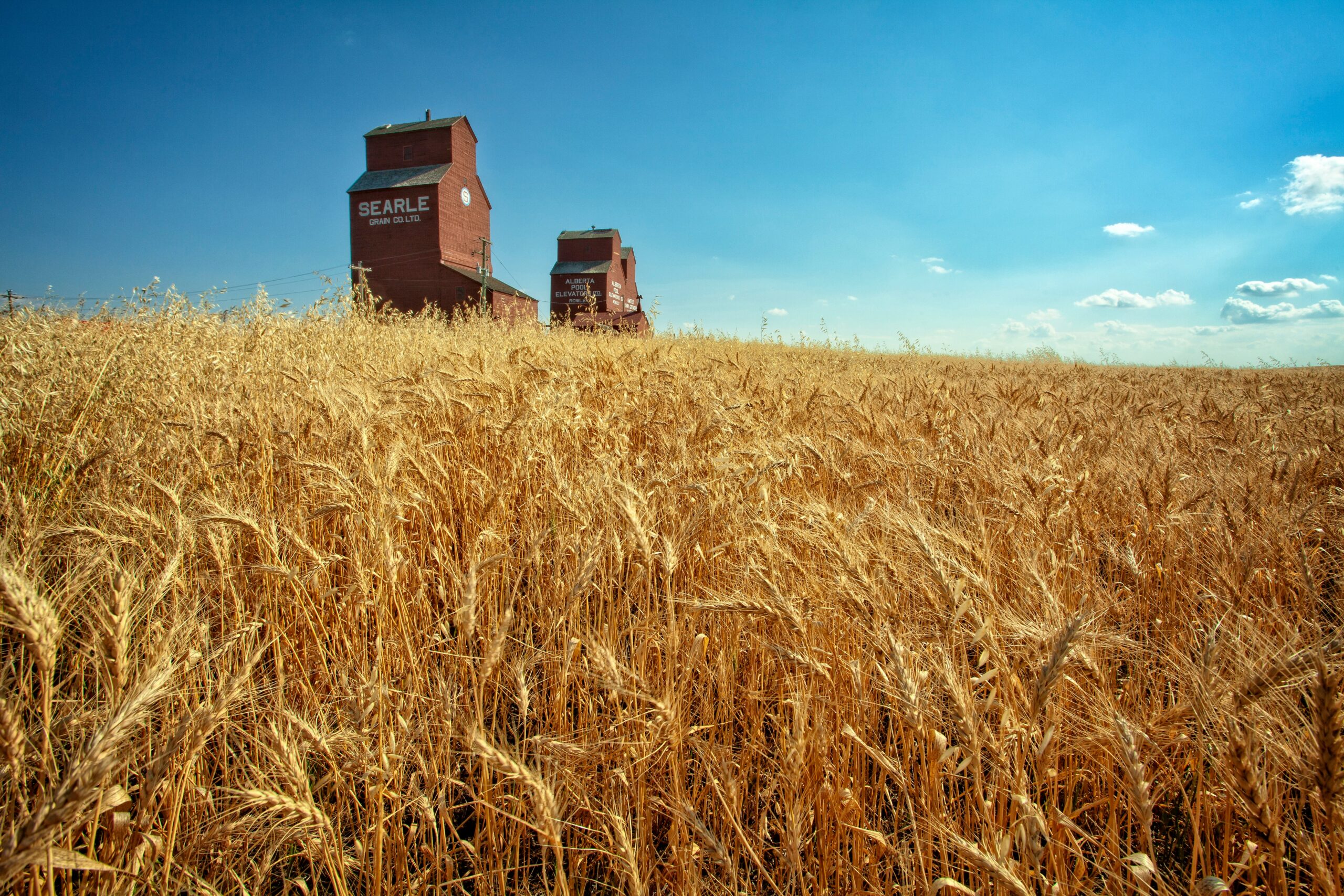
Farmers work hard to grow healthy crops and bring in a successful harvest. However, the work does not end when they collect the grain. Poor storage conditions can damage crops, reduce their value, and create major losses. Moisture, heat, pests, and poor handling can turn a healthy harvest into wasted food. Therefore, smart grain storage plays an important role in protecting crops and supporting farm success.
Modern farming needs better ways to keep grain safe after harvest. Smart grain storage solutions help farmers manage temperature, control moisture, prevent pests, and track grain quality. These systems also reduce waste and improve daily farm operations. By using the right tools and storage methods, farmers can protect their harvests and increase long-term profits.
Why Smart Grain Storage Matters in Modern Agriculture
Smart grain storage helps farmers protect harvested crops from common threats. Grain can lose quality when storage areas become too warm, damp, or dirty. Insects and rodents can also damage stored products. As a result, farmers may lose both grain and income. Modern storage systems help reduce these risks through better monitoring and control.
Furthermore, smart storage supports a more reliable food supply. Farmers can keep grain in good condition until they need to sell or process it. This flexibility helps them manage market demand and avoid rushed sales. Therefore, better storage benefits farmers, food companies, and consumers.
Common Causes of Grain Spoilage and Waste
Several factors can cause grain to spoil during storage. Excess moisture creates conditions that help mold grow. High temperatures can increase insect activity and speed up grain damage. Poor airflow may also allow heat to build up inside storage bins. As a result, farmers must manage these risks to protect their crops.
Dirty storage areas can also attract pests and introduce harmful materials. Broken equipment, leaking roofs, and poor handling can create further problems. Even small storage issues may lead to larger losses over time. Therefore, farmers should inspect their facilities and fix problems before storing new grain.
How Smart Grain Storage Controls Moisture
Moisture control is key to effective grain preservation. Grain that contains too much water can develop mold and lose quality. Therefore, farmers should test moisture levels before storage. They can then dry the grain when needed to reach a suitable level for the crop and storage period.
Modern moisture meters make this process easier. These tools help farmers check grain conditions and make better drying decisions. Regular testing can also reveal changes during storage. By keeping moisture within suitable limits, farmers can reduce spoilage and protect their harvests.
The Role of Temperature Monitoring in Grain Preservation
Temperature affects how well grain stays fresh during storage. Warm conditions can speed up insect growth and increase the risk of grain damage. As a result, farmers need to check storage temperatures often. Early signs of unusual heat may reveal problems before they spread.
Smart temperature sensors help farmers monitor conditions inside grain bins and silos. Some systems send alerts when readings exceed set limits. This lets farmers respond quickly and investigate the cause. Regular monitoring also helps maintain more stable storage conditions and supports long-term grain quality.
Advanced Aeration Systems for Better Grain Protection
Aeration systems move air through stored grain to help manage temperature. When farmers use these systems under suitable weather conditions, they can cool grain and reduce temperature differences. This process helps limit conditions that support insect activity and spoilage. As a result, proper aeration plays an important role in grain preservation.
Smart aeration controllers can further improve this process. These devices use temperature and humidity information to guide fan operation. They can also reduce unnecessary energy use. However, farmers must still monitor moisture because poorly timed airflow can create new problems. Careful aeration management supports safer storage.
Modern Grain Drying Methods That Reduce Waste
Grain drying helps prepare harvested crops for safe storage. Many crops contain excess moisture when farmers harvest them. Therefore, proper drying reduces the risk of mold and other storage problems. Farmers can choose natural-air drying or mechanical dryers based on their crops and local conditions.
Advanced drying systems offer better control over heat and airflow. Some dryers adjust operating conditions to improve efficiency and protect grain quality. Careful drying also helps farmers avoid excessive heat that can damage kernels. Selecting the right drying method supports better grain preservation and reduces avoidable waste.
Smart Sensors and Digital Monitoring Technology
Digital technology has changed how farmers manage grain storage. Smart sensors collect useful information about temperature and environmental conditions. Connected systems can display these readings on computers or mobile devices. As a result, farmers can review storage conditions without checking every location in person.
Digital monitoring platforms can also track changes over time. Farmers can use this information to identify unusual patterns and plan inspections. Automated alerts may also help them respond to problems sooner. However, physical inspections remain important because sensors cannot detect every form of grain damage.
Preventing Pest Damage With Smart Storage Practices
Insects and rodents can cause serious problems in grain storage facilities. They may consume grain, damage kernels, and introduce contamination. Therefore, farmers should clean storage areas before filling them. Removing old grain, dust, and debris helps reduce places where pests can hide.
Regular pest checks also support effective grain protection. Farmers can inspect samples, use suitable traps, and repair openings in storage structures. Proper moisture and temperature management can also make conditions less favorable for pests. By combining these practices, farmers can reduce damage and maintain better grain quality.