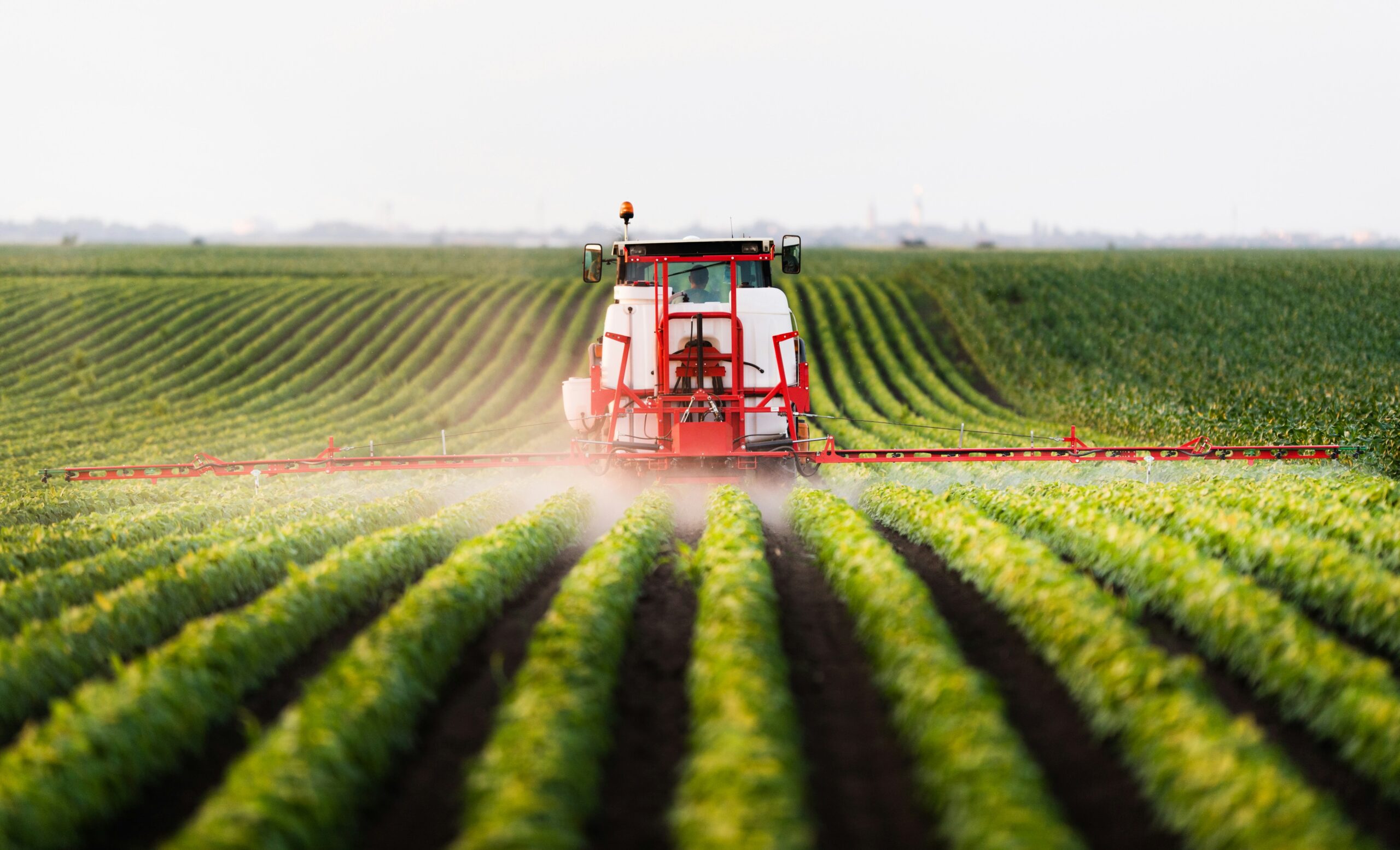
Agriculture has always relied on observation, experience, and hard work. However, modern farming now combines those traditional strengths with powerful technology. Today, farmers use data to make better decisions, improve efficiency, and increase sustainability. As a result, tech-driven agriculture continues to transform how food reaches our tables.
The connection between technology and farming creates opportunities that previous generations could only imagine. From sensors buried in the soil to drones flying over fields, digital tools provide real-time insights that help farmers manage resources more effectively. Consequently, data-driven farming has become a critical component of modern agriculture.
The Rise of Data-Driven Farming
Technology has changed many industries, and agriculture stands among the most significant examples. Farmers no longer rely solely on visual inspections or historical records. Instead, they gather detailed information from multiple sources and use that data to guide daily operations.
Agricultural data analytics allows growers to monitor crop health, soil conditions, weather patterns, and equipment performance. Moreover, these insights help farmers identify problems early and respond before they impact productivity.
As farming operations grow more complex, data provides clarity. Therefore, farmers can make informed decisions that improve outcomes while reducing unnecessary costs.
Precision Agriculture Changes the Game
Precision agriculture technology represents one of the most important advancements in modern farming. Rather than treating an entire field the same way, farmers can manage specific areas based on actual conditions.
GPS-guided equipment, field mapping systems, and variable-rate application technology enable precise management of seeds, fertilizer, and irrigation. As a result, farmers use resources more efficiently and reduce waste.
Furthermore, precision agriculture helps improve crop yields while supporting environmental sustainability. Since farmers apply inputs only where needed, they protect both profitability and natural resources.
Sensors Bring Real-Time Insights
Modern farms increasingly depend on sensors to collect valuable information. Soil moisture sensors, temperature monitors, and nutrient tracking devices provide continuous updates throughout the growing season.
Because these sensors deliver real-time data, farmers can quickly adjust irrigation schedules, nutrient applications, and crop management strategies. Consequently, they avoid many problems that previously remained hidden until visible damage occurred.
Additionally, sensor technology reduces guesswork. Farmers can base decisions on measurable facts rather than assumptions, thereby improving overall efficiency.
Drones Provide a New Perspective
Drones have become an essential tool in tech-driven agriculture. These devices capture detailed aerial images that reveal crop conditions across large areas.
Through drone technology, farmers can identify disease outbreaks, irrigation issues, pest infestations, and nutrient deficiencies much earlier than traditional scouting methods allow. Therefore, they can take corrective action before minor concerns become major challenges.
Moreover, drones save valuable time. Instead of walking every acre, farmers can quickly and accurately evaluate entire fields. This capability supports faster decision-making and better resource management.
Artificial Intelligence Enhances Farm Management
Artificial intelligence continues to shape the future of agriculture. AI systems analyze massive amounts of information and identify patterns that humans might overlook.
For example, AI can predict weather impacts, recommend planting schedules, and optimize irrigation strategies. Furthermore, machine learning models improve over time as they process additional data.
As a result, farmers gain access to increasingly accurate recommendations. These insights help maximize productivity while reducing risks associated with changing environmental conditions.
Smart Irrigation Conserves Valuable Resources
Water management remains one of agriculture’s greatest challenges. Fortunately, smart farming solutions now help farmers use water more efficiently.
Advanced irrigation systems combine weather forecasts, soil moisture readings, and crop requirements to determine exactly when and where water is needed. Consequently, farms reduce waste while maintaining healthy crop growth.
In addition, smart irrigation supports sustainability goals. Since water conservation becomes increasingly important worldwide, these technologies provide practical solutions for long-term agricultural success.
Digital Agriculture Supports Sustainability
Sustainability and technology often work together in modern farming. Digital agriculture tools help farmers reduce environmental impact while maintaining strong production levels.
For instance, data-driven fertilizer applications prevent excessive nutrient use. Likewise, precision spraying systems target specific problem areas rather than entire fields. As a result, farmers reduce chemical usage and lower operational costs.
Furthermore, sustainable crop management practices become easier to implement when accurate data guides decision-making. Therefore, technology helps create a balance between productivity and environmental responsibility.
Equipment Connectivity Improves Efficiency
Connected machinery plays a growing role in agricultural operations. Tractors, combines, and other equipment now communicate with farm management systems to provide detailed performance information.
These connected systems track fuel consumption, maintenance needs, and operational efficiency. Consequently, farmers can schedule repairs proactively and minimize costly downtime.
Additionally, equipment connectivity helps streamline workflows. Since managers receive real-time updates, they can coordinate activities more effectively across large farming operations.
Weather Data Improves Planning
The weather has always influenced agricultural success. Today, advanced forecasting tools provide farmers with more detailed information than ever before.
By analyzing local weather patterns, farmers can plan planting, irrigation, harvesting, and crop protection activities with greater confidence. Moreover, accurate forecasts help reduce risks associated with unexpected weather events.
As climate variability increases, reliable weather data becomes even more valuable. Therefore, technology helps farmers remain adaptable and resilient.
The Economic Benefits of Agricultural Technology
While technology requires investment, it often delivers substantial financial returns. Improved efficiency, reduced waste, and higher yields contribute directly to profitability.
Farmers who adopt agricultural data analytics frequently identify opportunities to lower expenses and increase production. In addition, better resource management supports long-term financial stability.
Technology also improves competitiveness. As consumer expectations evolve, farms that embrace innovation often position themselves more effectively within the marketplace.
Preparing Agriculture for the Future
The future of farming will depend heavily on innovation. Population growth, climate challenges, and resource limitations require smarter approaches to food production.
Tech-driven agriculture provides solutions that help farmers produce more with fewer resources. Through precision agriculture technology, artificial intelligence, drones, sensors, and connected equipment, the industry continues to evolve.
At the same time, successful farming still relies on human expertise. Technology does not replace farmers. Instead, it enhances their ability to make informed decisions and manage operations more effectively.
Tech-driven agriculture represents the intersection of tradition and innovation. By combining generations of farming knowledge with advanced digital tools, farmers can improve productivity, increase sustainability, and strengthen profitability.
As data becomes more accessible and technologies continue to advance, agriculture will become even more precise and efficient. Therefore, farmers who embrace modern farming technology today position themselves for long-term success. Where data meets the dirt, the future of agriculture continues to grow stronger, smarter, and more sustainable.