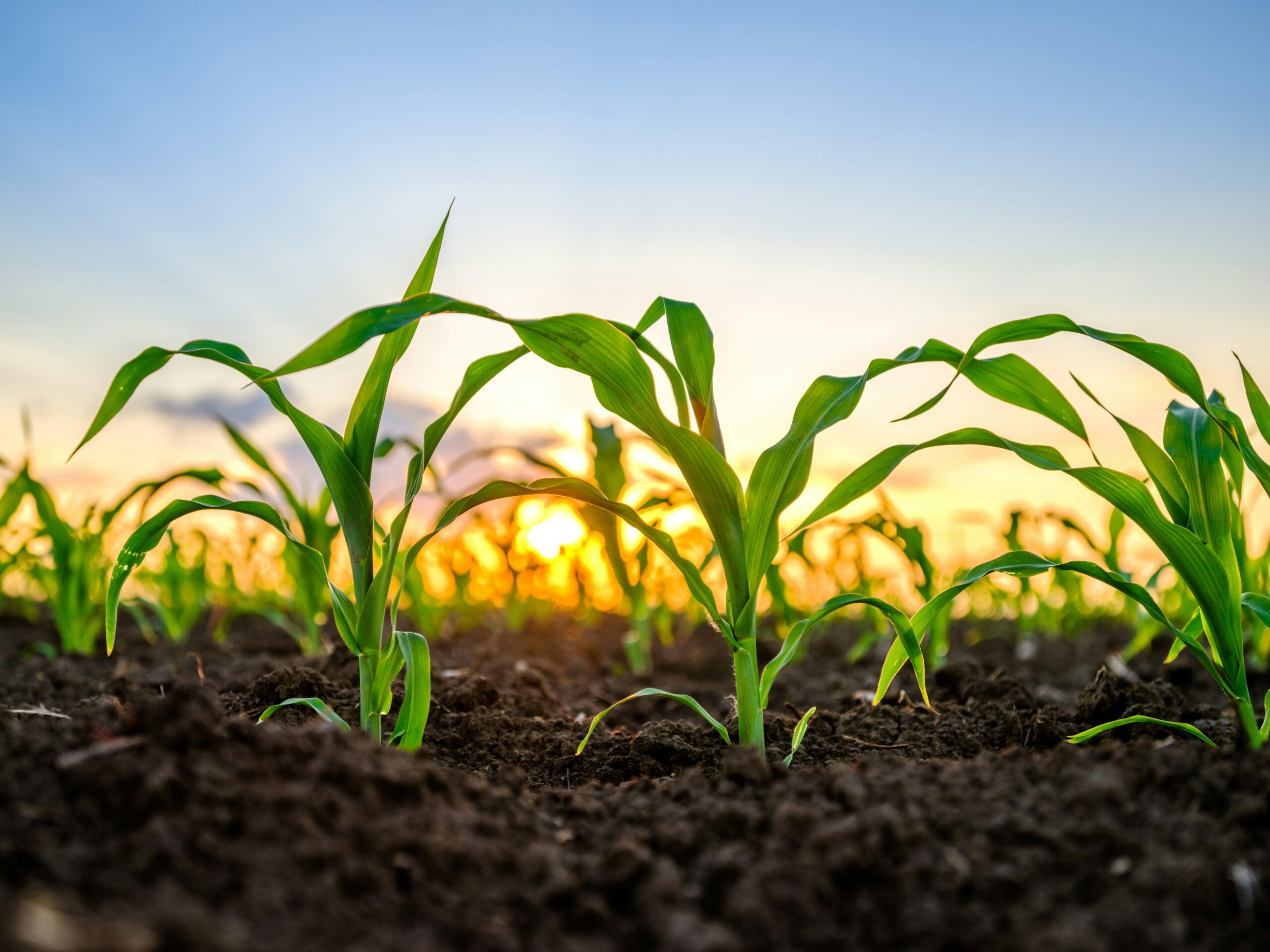
Modern agriculture is undergoing a remarkable transformation as digital technologies reshape how food is grown, managed, and delivered. Farmers no longer rely solely on traditional methods because advanced tools now provide accurate data, automate routine tasks, and improve decision-making. As a result, agricultural operations have become more efficient while reducing waste and conserving valuable resources. Moreover, technology helps producers adapt to changing climate conditions and growing consumer demands with greater confidence.
At the same time, digital innovation is making farming more resilient and productive across the globe. From precision equipment to artificial intelligence, these advancements enable farmers to increase yields while protecting the environment. Consequently, agriculture is evolving into a data-driven industry where informed decisions replace guesswork. This shift not only benefits producers but also strengthens food security for future generations.
Precision Technology Improves Farm Productivity
Precision agriculture has become one of the most influential developments in modern farming. Instead of treating an entire field the same way, farmers can now analyze specific sections using GPS systems, sensors, and digital mapping tools. Therefore, they apply water, fertilizer, and crop protection products only where they are truly needed. This targeted approach reduces unnecessary expenses while improving overall crop health.
Furthermore, precision technologies generate valuable insights throughout the growing season. Real-time information allows farmers to monitor soil conditions, moisture levels, and plant development without constant manual inspections. As a result, they can respond quickly to changing conditions and maximize productivity while minimizing environmental impact. These improvements create more sustainable farming practices that benefit both producers and consumers.
Artificial Intelligence Supports Better Decisions
Artificial intelligence has rapidly become a valuable partner in agricultural management. By analyzing large amounts of information from weather reports, satellite imagery, and field sensors, AI systems identify patterns that humans might overlook. Consequently, farmers receive recommendations that improve planting schedules, irrigation strategies, and pest management plans. These insights help reduce risks while increasing operational efficiency.
Additionally, AI-powered software continues learning from previous seasons to deliver increasingly accurate predictions. Farmers can forecast yields, detect plant diseases earlier, and estimate harvest timing with greater precision. As technology advances, these intelligent systems become even more reliable, allowing producers to make informed decisions that strengthen profitability and long-term sustainability.
Drones and Robotics Transform Daily Operations
Drones have introduced a faster and more accurate way to monitor agricultural fields. Instead of spending hours walking through crops, farmers can capture detailed aerial images in just minutes. Meanwhile, advanced imaging technology identifies areas affected by disease, pests, or nutrient deficiencies before visible damage spreads. Early detection allows farmers to take corrective action while preventing significant crop losses.
Likewise, agricultural robots are reducing labor demands by performing repetitive tasks with exceptional accuracy. Automated machines can plant seeds, remove weeds, harvest produce, and monitor crop health around the clock. Consequently, farms become more productive even as labor shortages continue to challenge the agricultural industry. Robotics also improves consistency, helping maintain high-quality harvests throughout the season.
Smart Irrigation Conserves Water Resources
Water management remains one of agriculture’s greatest challenges, especially in regions facing prolonged droughts. Fortunately, smart irrigation systems use sensors and weather data to determine exactly when crops require water. Instead of following fixed schedules, irrigation automatically adjusts based on real-time field conditions. As a result, farms conserve water while maintaining healthy plant growth.
Moreover, digital irrigation technologies reduce both operational costs and environmental stress. Farmers avoid overwatering, decrease energy consumption, and limit nutrient runoff into nearby waterways. These improvements contribute to healthier ecosystems while supporting sustainable agricultural production. Consequently, smart water management has become an essential component of modern farming success.
Data Analytics Strengthens Farm Management
Data has become one of the most valuable resources available to today’s farmers. Modern software platforms collect information from equipment, weather stations, soil sensors, and satellite images to create comprehensive farm management systems. Therefore, producers gain a complete understanding of field performance and resource usage throughout every stage of production.
In addition, data analytics helps identify long-term trends that influence future planning. Farmers can compare multiple growing seasons, evaluate financial performance, and determine which practices deliver the highest returns. This evidence-based approach improves strategic planning while reducing uncertainty. As digital records continue expanding, farm management becomes increasingly efficient and profitable.
Sustainability Benefits from Digital Innovation
Environmental sustainability has become a major priority for agricultural producers worldwide. Fortunately, digital technologies support this goal by reducing waste and optimizing resource use. Precision applications decrease excessive fertilizer and pesticide use, while efficient irrigation conserves freshwater supplies. Consequently, farms can increase production without placing unnecessary pressure on natural ecosystems.
At the same time, technology helps agriculture respond to climate-related challenges more effectively. Predictive weather models, climate monitoring systems, and advanced forecasting tools allow farmers to prepare for extreme conditions before they occur. Therefore, they reduce potential losses while protecting crops and maintaining stable food production. Digital innovation creates a balanced approach where productivity and environmental responsibility work together.
The Future of Connected Agriculture
The future of agriculture will depend even more on connected technologies that communicate seamlessly across farming operations. Internet of Things devices, cloud computing, and advanced communication networks will continue integrating equipment, sensors, and management software into unified systems. As a result, farmers will monitor entire operations from smartphones or computers regardless of location.
Looking ahead, continued investment in digital agriculture will strengthen global food systems while supporting rural communities. Although challenges such as technology costs and digital access remain, innovation continues making advanced tools more affordable and accessible. Ultimately, farmers who embrace these technologies will improve efficiency, increase sustainability, and remain competitive in an increasingly complex agricultural landscape. Digital transformation is no longer a distant vision; instead, it actively shapes the future of farming today.